AI Image Generators Have Personalities Now. Here’s How to Pick the Right One
AI models aren’t human. But creators swear they have distinct personalities.
This shift represents a fundamental change in how people approach creative work. Choosing the right AI tool has become as important as picking the right camera lens or paintbrush. Plus, understanding each model’s strengths can dramatically improve your results.
Let’s break down what makes each AI model unique and how to choose the best one for your project.
Why Every AI Model Feels Different
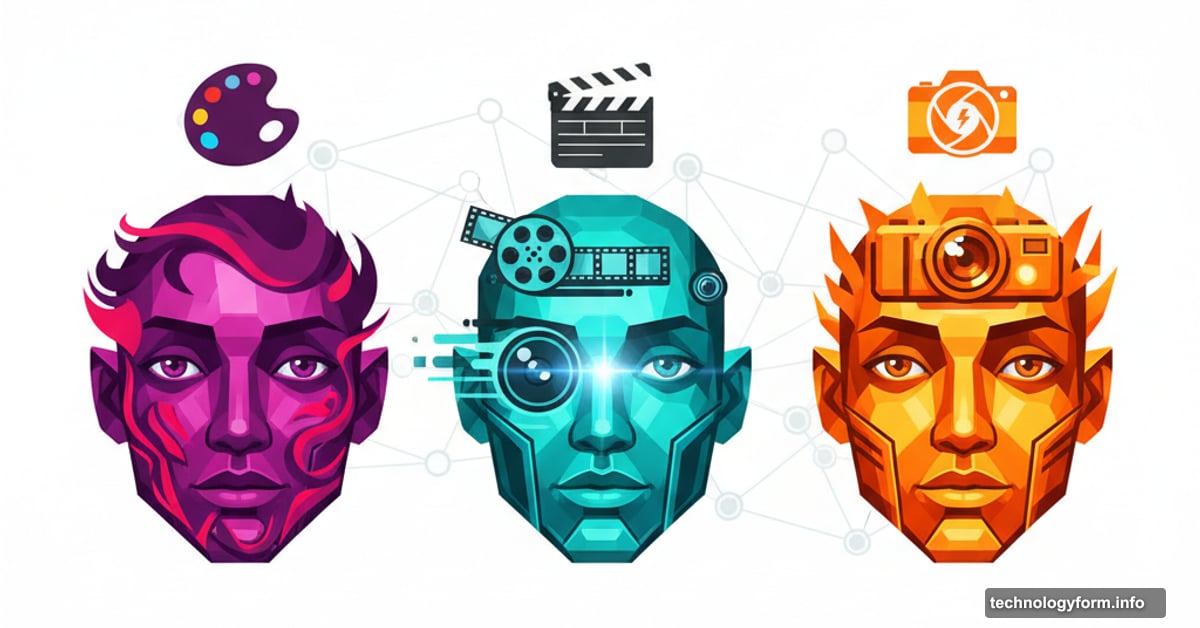
The term “personality” is catching on among creators who use these tools daily. Obviously, AI models aren’t sentient beings with actual personalities. Instead, the term refers to each model’s baseline style, strengths, and reputation for handling specific tasks.
Tiffany Kyazze, founder of AI Flow Club, explains how creators humanize these tools. “They call them ‘the creative one’ or ‘the detailed one’ because they’re building actual relationships with their AI,” she said. “It’s not just software anymore.”
This relationship-building happens through repeated use. Creators learn which models excel at photorealism, which lean cinematic, and which produce dreamlike aesthetics. That knowledge becomes part of their creative workflow.
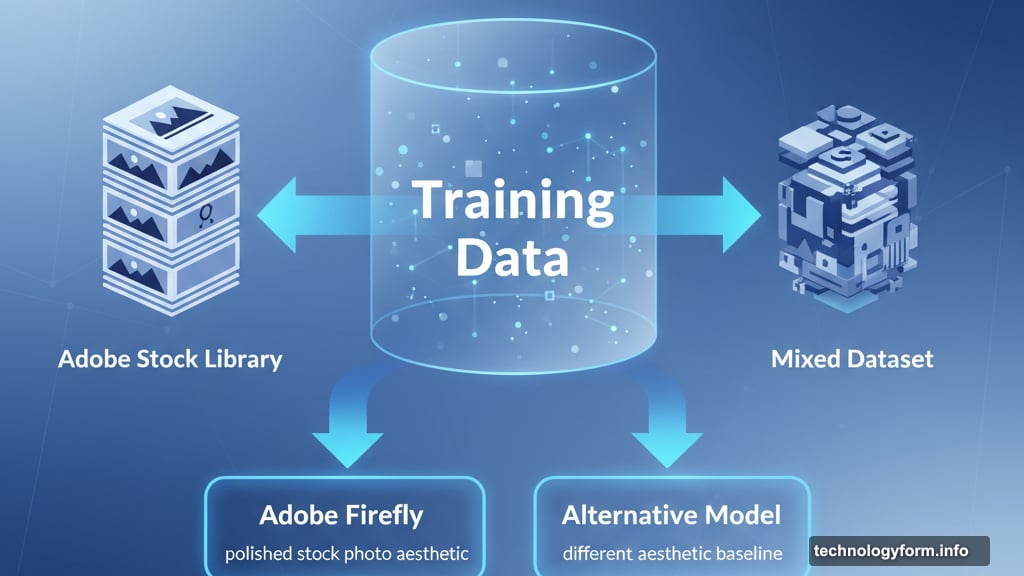
Training data plays a huge role in shaping these personalities. Adobe’s Firefly models, for example, were trained on licensed Adobe Stock imagery. So Firefly-generated content often has that polished stock photo look. Meanwhile, other models trained on different datasets produce completely different aesthetic baselines.
The 2025 AI Creative Tool Landscape
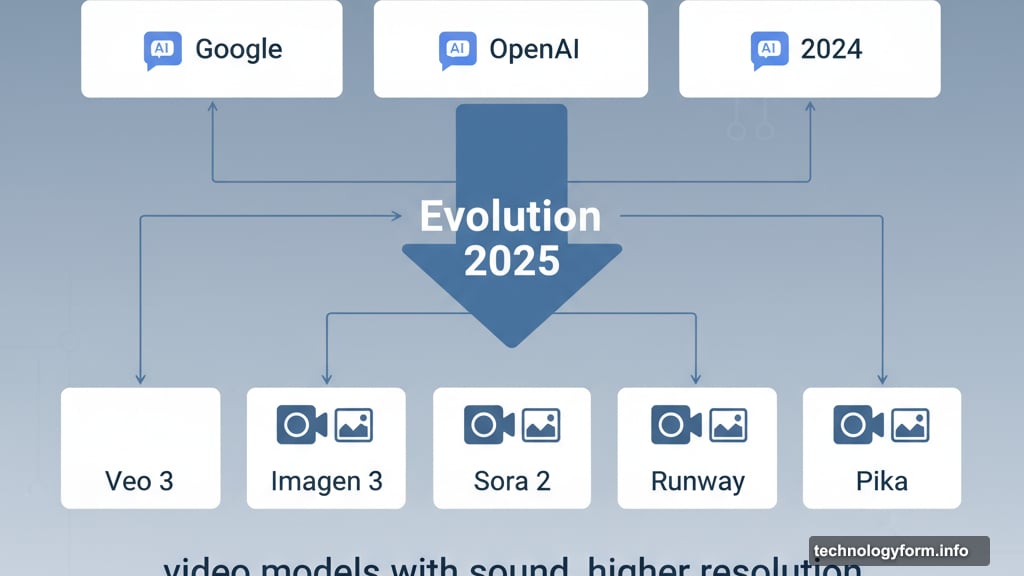
The generative AI field exploded this year. Google and OpenAI dominated headlines with their chatbots before 2025. Now their creative tools—Veo 3, Imagen 3, and Sora 2—lead the image and video generation race.
Adobe, Runway, Pika, and Luma also made significant improvements to their models. For AI companies, generative media evolved from a nice-to-have feature to an absolute necessity for staying competitive.
These improvements focus on detail, resolution, and accuracy. Video models now generate longer clips with sound. Hallucinations and errors are disappearing with each update. In fact, spotting AI-generated content is becoming increasingly difficult.
The result? Creators face an overwhelming number of choices. But that’s actually a good thing. Instead of settling for serviceable results, creators can now pick the perfect tool for each specific task.
Meet the Models and Their Personalities
Each popular AI model has developed a reputation among creators. Here’s what you need to know:
Google’s Veo 3 excels at cinematic video generation with natural motion and high quality. Dave Clark, director at Promise AI, used Veo 3.1 for his short film “My Friend, Zeph.” The model’s strength lies in creating believable, film-like movement.
Flux dominates realism, especially for human features. If you need convincing faces and natural-looking people, Flux consistently delivers.
Runway functions as a full creative studio. It’s perfect for creators who need hands-on control and want to fine-tune every aspect of their video output.
Sora works best for ideation and exploration. However, it’s also become a meme machine on social media. Creators use it to quickly visualize concepts before committing to final production.
Midjourney remains the go-to for artistic and stylized work. Its image and video models are the most creative, producing outputs that feel genuinely artistic rather than purely photographic.
Google’s Imagen 3 shines at character consistency. E-commerce brands and social media creators love it because their characters look the same across multiple images.
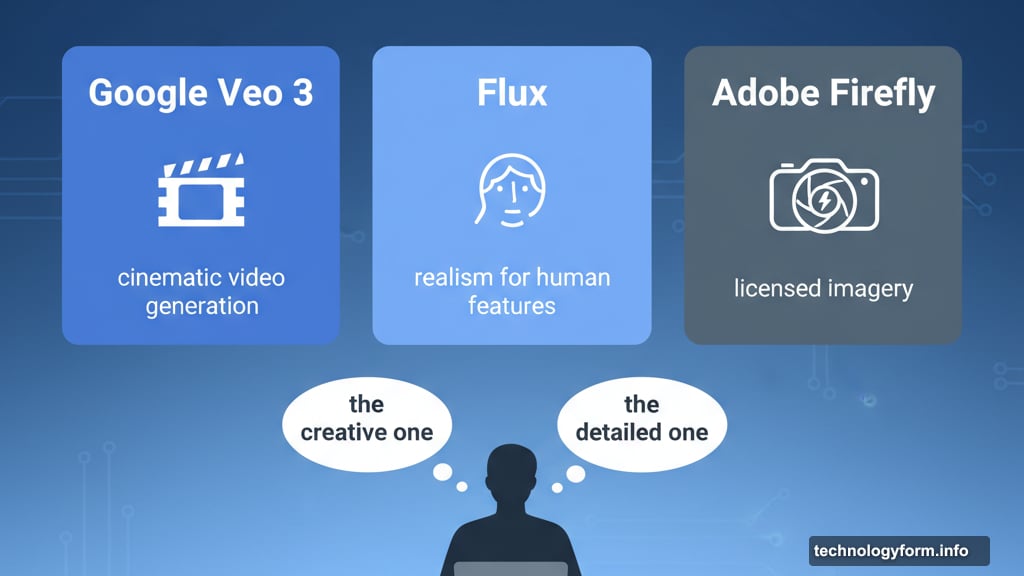
Adobe Firefly Image Model 5 provides commercially safe results. Businesses and professional creators choose it because all training data came from licensed sources.
Why Chatbot Personalities Matter Less
Chatbots have personalities too. ChatGPT sounds affectionate and personable. Claude excels at research tasks. Gemini integrates seamlessly with Google services.
But chatbot personalities are subtler than image and video model personalities. You can use any chatbot for most text generation tasks and get acceptable results.
Image and video generators work differently. They’re not “everything machines.” Creators need specific outputs—a product photo, a cinematic scene, a stylized character. Understanding each model’s personality becomes crucial for achieving those specific results.
Moreover, the visual differences between models are immediately obvious. You can see the stylistic variations without running complex tests. That makes personality-matching more intuitive for creative work.
The Multimodel Workflow Advantage
Some creators remain loyal to one AI platform. That approach is misguided, according to Kyazze. The creators getting the best results are “tool-agnostic and goal-focused.”
Clark’s team used multiple AI models for “My Friend, Zeph.” They combined Adobe Firefly, Google’s Veo 3.1, and Luma’s Ray3 with traditional software like Photoshop and Premiere Pro. This hybrid filmmaking approach gave them creative range and precision.
“By blending multiple models, you get creative range and precision, almost like having a team of specialists,” Clark said. “We can visualize the world of a story much earlier, iterate faster, and make stronger creative choices.”
Using multiple models means you’re not forcing one tool to do everything. Instead, you leverage each model’s actual strengths. That’s more efficient and produces better results because you’re using the right tool for each specific part of your project.
Personalities Evolve Over Time
AI model personalities aren’t static labels. They change as companies release updates and improvements.
A model once known for terrible text rendering might suddenly excel at it after an update. One that produced unrealistic faces might become the new standard for photorealism. Keeping up with these changes helps creators make better tool choices.
This evolution reflects how quickly the AI field is advancing. Models that dominated six months ago might now lag behind newer alternatives. Staying informed about updates and improvements is part of the modern creative workflow.
Humans Still Drive the Outcomes
Remember that AI models are just tools. The human expression of the artist—your personality and creative point of view—drives the outcomes.
Clark emphasizes this point. “It’s not about replacing the traditional process; it’s about expanding what’s possible and bringing imagination closer to the screen than ever before.”
Understanding AI model personalities helps you work more efficiently. You waste less time and money on tools that aren’t the best fit. You achieve better results by matching your project’s needs to each model’s strengths.
But the creative vision still comes from you. These tools amplify your abilities rather than replace them. As the AI creative landscape continues expanding, that human element becomes even more important.
The creators succeeding with AI aren’t the ones loyal to a single platform. They’re the ones who understand each tool’s personality and use that knowledge to make smarter creative decisions. That’s the real skill in the age of AI-assisted creativity.