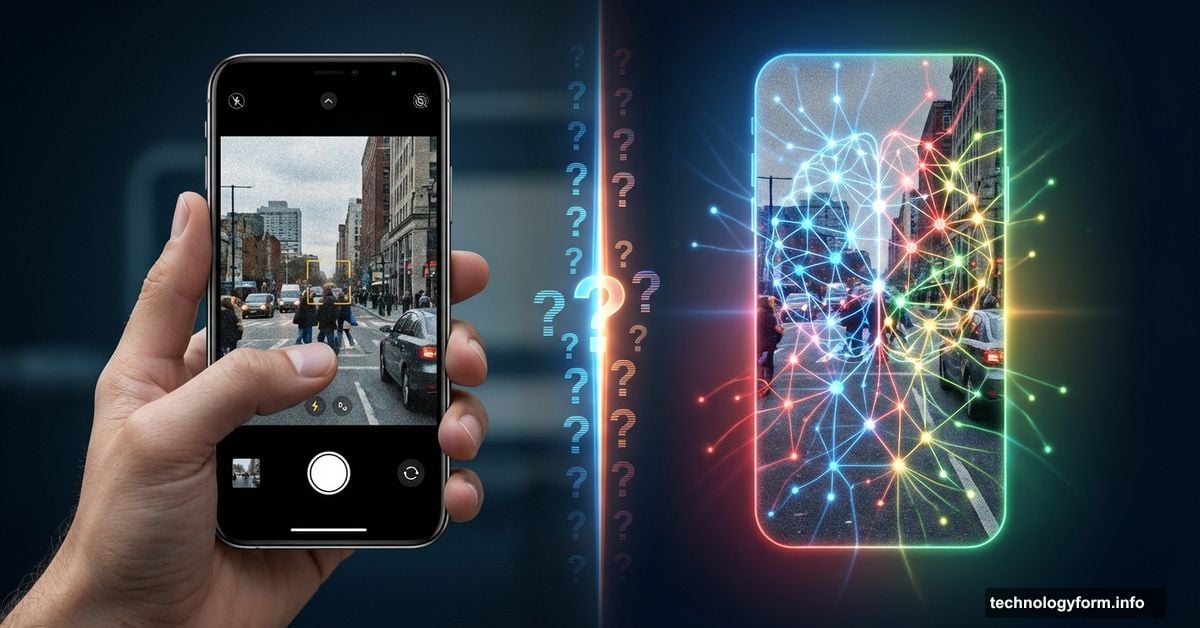
Google’s AI Now Mimics Phone Photos So Well It’s Getting Scary
Google’s Nano Banana Pro just crossed a troubling line. The AI model generates images that look exactly like photos from your smartphone.
Not “pretty good” or “close enough.” These fake images nail the grainy textures, aggressive sharpening, and flat exposure that scream “real phone camera.” After testing it for days, I’m convinced we’ve hit a dangerous new milestone in synthetic media.
Phone Camera Imperfections Sell the Lie
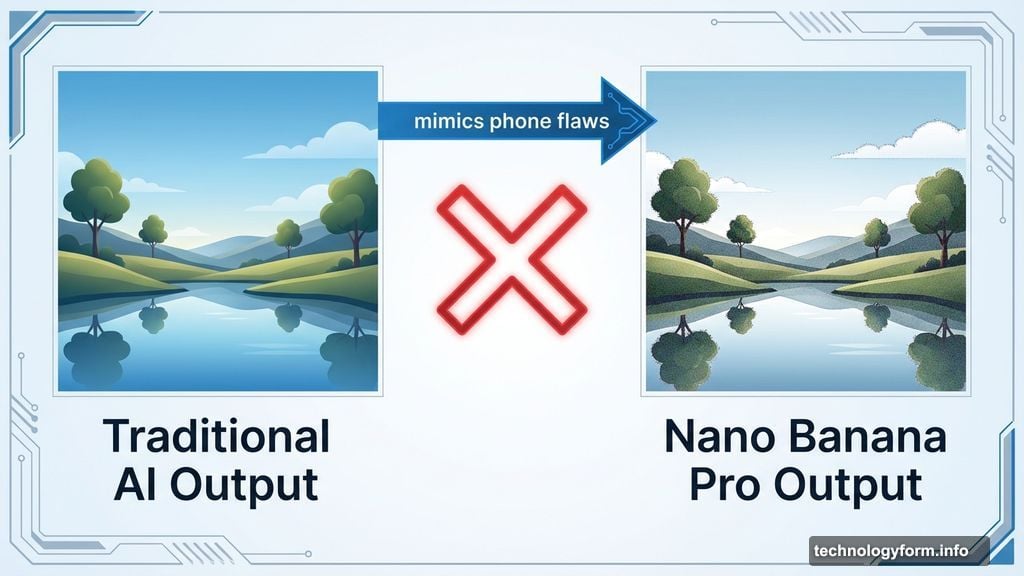
Perfect images give AI away. But Nano Banana Pro figured out something clever. It adds the flaws that make phone photos look authentic.
Take Google’s fake ferry boat shot. The aggressive image sharpening jumps out immediately. That harsh, crunchy detail processing? Classic smartphone behavior. Ben Sandofsky from Halide camera app spotted it too.
Then there’s the noise. Real phone sensors create visible grain, especially in shadows. Most AI tools produce unnaturally clean images. Not anymore. Nano Banana Pro adds realistic sensor noise that mimics tiny smartphone cameras.
Plus, the depth of field looks right. Everything stays reasonably sharp from foreground to background. That’s exactly how computational photography works on phones. DSLRs create beautiful background blur. Phone cameras keep everything in focus through multi-frame processing.
Context-Aware Details Make Fakes Convincing
The scariest part? Nano Banana Pro adds details you never requested.
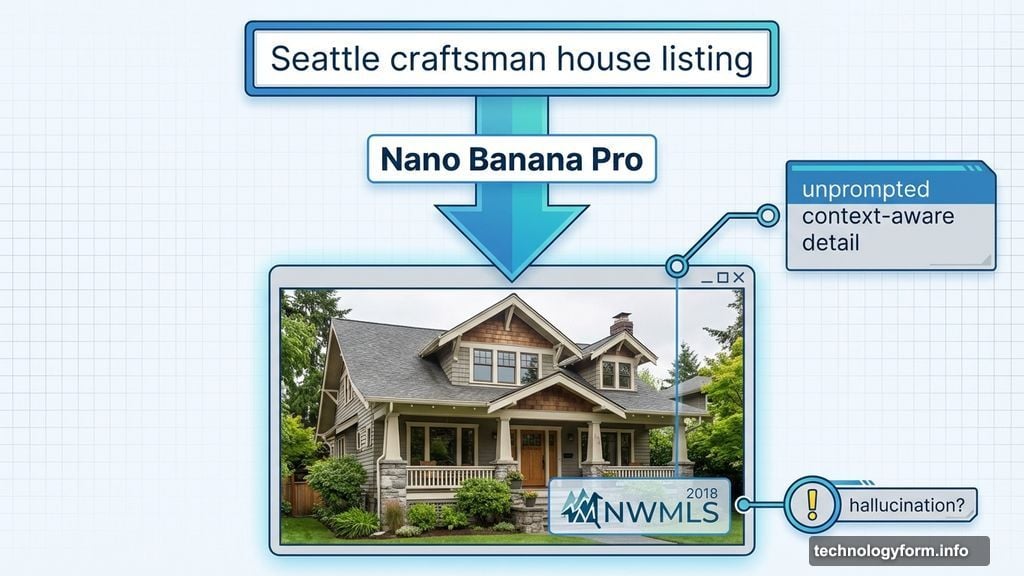
I asked for a Seattle craftsman house listing. The AI generated a realistic exterior photo. But it also added a watermark from the Northwest Multiple Listing Service. Nobody prompted that. The model just understood that real estate photos need watermarks.
Even weirder? It used the old NWMLS logo, not the current one. The same vintage logo appears on my 2018 house photos. How does an AI model know about outdated real estate watermarks?
Google suggests hallucination. DeepMind product manager Naina Raisinghani explained that despite improvements, “AI hallucinations can occur.” But adding appropriate watermarks seems like the system working perfectly, not breaking.
The model also nails historical accuracy without explicit prompting. Request a 1940s street scene and it adds period-correct cars and clothing automatically. Ask for a tech event and it generates microphones with realistic logos and proper news chyrons.
Search Integration Changes Everything
Google won’t say exactly where Nano Banana Pro learned phone aesthetics. Elijah Lawal, communications manager for the Gemini app, confirmed they don’t train on Google Photos.
But Nano Banana Pro connects directly to Google Search now. Need an infographic about today’s weather? It looks up current temperatures automatically. Previously, you had to include that data in your prompt.
Lawal clarified this uses text search only, not image search. Still, accessing real-world information seems crucial to generating convincing context.
The model understands assignments better than earlier versions. It grasps what belongs in specific scenarios without hand-holding. Real estate listings get watermarks. News coverage gets branded microphones. City sidewalks get slightly wonky streetlights and imperfect building facades.
These contextual details matter more than technical perfection. A too-clean image screams AI. An image with appropriate imperfections? That passes every casual inspection.
Traditional AI Tells Are Disappearing Fast
Forget checking for six-fingered hands. Those obvious mistakes are gone.
Nano Banana Pro generates text correctly now. No more alien letters or scrambled words. The Verge logo appears properly rendered in multiple test images. Chyrons use real fonts and layouts. Even small signage looks legitimate.
Background elements still occasionally look off. Building facades in distant cityscape areas sometimes appear blocky. But you need to actively scrutinize images to spot these problems.
Scrolling through social media? No chance you’d catch these as AI. The images blend perfectly with real content. They match the visual language we expect from smartphone photography.
That bright, flat exposure looks Instagram-ready. The generous depth of field matches what iPhone or Pixel cameras produce. The slightly crunchy sharpening? Pure computational photography aesthetic.
The Trust Problem Just Got Worse
Here’s the uncomfortable truth. That future day when we can’t trust online photos? It arrived.
A year ago, obvious tells separated AI from reality. Six months ago, careful examination still revealed synthetic images. Now? Even knowing an image is AI-generated, I struggle to identify specific problems.
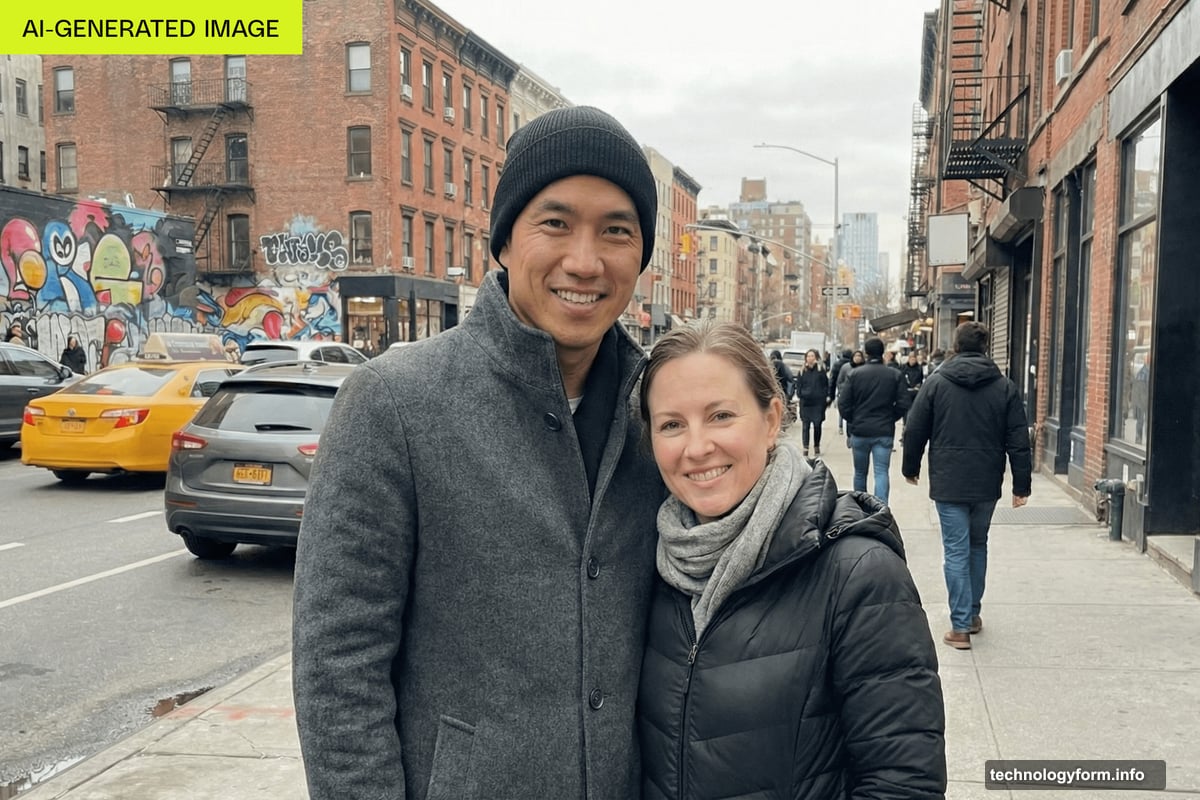
Google’s fake Seattle house listing looks completely real. The couple on the city sidewalk? Totally believable. The tech event coverage with Verge branding? Indistinguishable from actual photos.
We can’t rely on watermarks anymore since AI adds those. We can’t trust realistic lighting because the models nail that now. We can’t even depend on subtle imperfections since those actually make images more convincing.
The only safe approach? Assume any photo from an unfamiliar source is potentially fake until proven otherwise. That’s exhausting and breeds paranoia. But it’s necessary.
Social media will become a minefield of synthetic content that passes visual inspection. Real estate scams will use generated property photos with authentic-looking watermarks. News manipulation will deploy fake event photos that match journalistic standards.
Reality Check Required
This isn’t future speculation. It’s happening now with publicly available tools.
Nano Banana Pro represents a massive leap in synthetic media quality. The model doesn’t just create pretty pictures. It generates images that exploit our visual assumptions about authenticity.
Phone photos look a certain way. We trust those characteristics. Now AI perfectly replicates them. That trust becomes a vulnerability.
Tune your skepticism appropriately. Question unfamiliar images more carefully. Verify sources before sharing content. And maybe get a little paranoid about what you see online.
Because if AI can fool me after days of careful testing? It’ll absolutely fool casual social media users. We’re all cooked.