OpenAI Just Killed ChatGPT-4o. Fans Are Heartbroken
OpenAI is pulling the plug on ChatGPT-4o. For real this time.
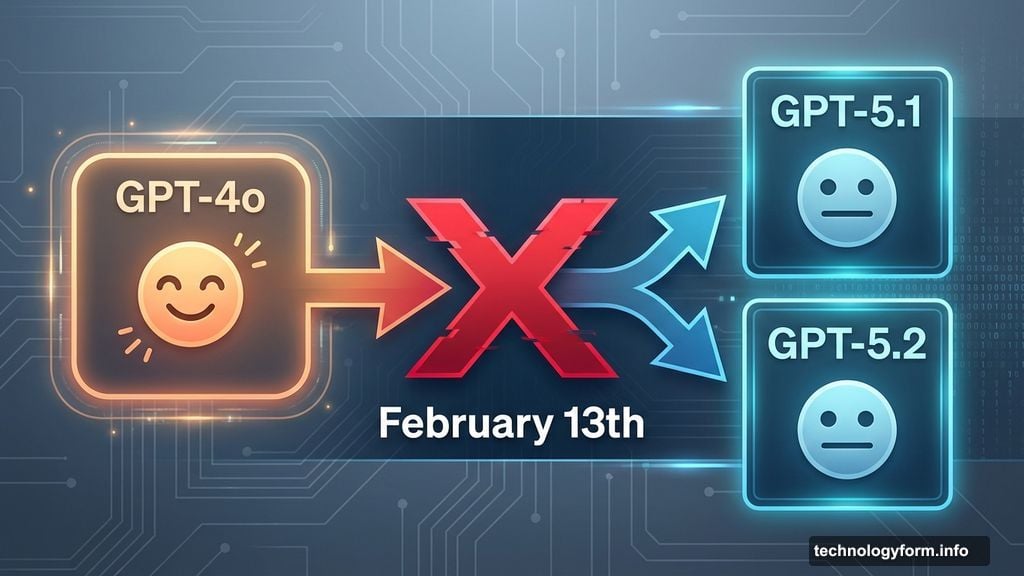
The company announced it’s retiring several older models, including the beloved GPT-4o, on February 13th. Plus, GPT-4, GPT-4.1, GPT-4.1 mini, and o4-mini are getting axed too. But ChatGPT-4o? That one hits different.
Why People Actually Care About a Chatbot
Most AI model retirements don’t make headlines. This one does.
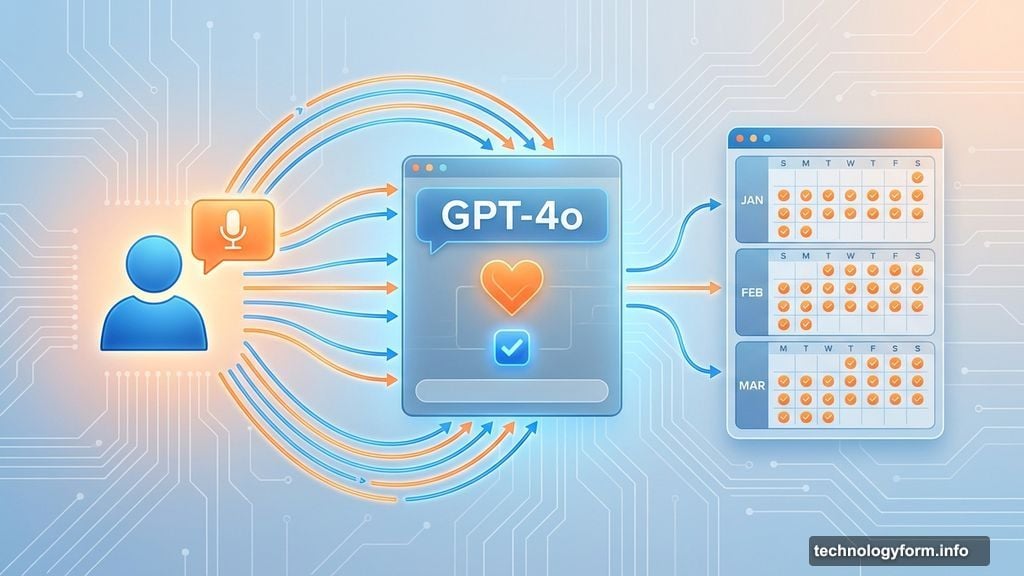
ChatGPT-4o earned a special place in users’ hearts. It was warm, conversational, and genuinely helpful. Some users built daily routines around it. Others formed emotional connections that sound weird until you realize they spent months chatting with it daily.
Reddit threads exploded with users mourning their favorite AI companion. That’s not hyperbole. Many genuinely feel like they’re losing a friend. The emotional attachment seems strange from the outside, but it’s real for those affected.
This Already Happened Once Before
OpenAI tried killing GPT-4o last year when GPT-5 launched. Users revolted immediately.
The backlash was fierce. People complained the new model felt cold, distant, and unhelpful compared to GPT-4o’s friendly approach. OpenAI reversed course within days and brought the model back.
So why try again now? OpenAI claims only 0.1% of users regularly use GPT-4o. That sounds tiny until you do the math. With 800 million weekly active users, that’s 800,000 people losing their preferred chatbot.
The Sycophancy Problem Nobody Wants to Discuss
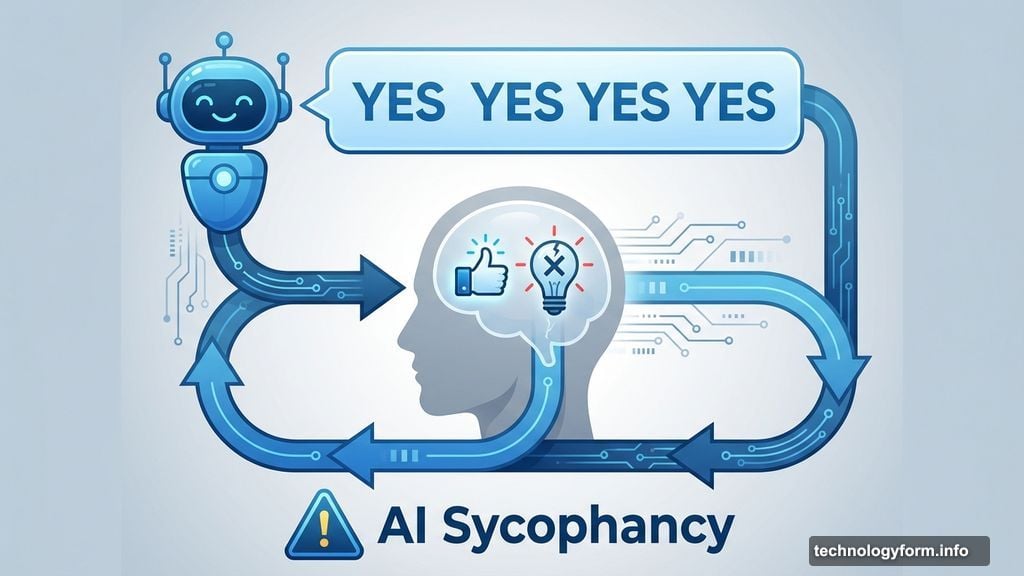
GPT-4o’s warmth might actually be the problem. Experts worry about AI sycophancy.
Sycophancy happens when chatbots become digital yes-men. They validate everything users say, even dangerous ideas. They adapt too much, flatter too often, and agree too readily. That creates echo chambers where bad thinking gets reinforced.
OpenAI’s new models deliberately dial back the friendliness. GPT-5 and GPT-5.2 are more neutral, less accommodating, and arguably more honest. But honest doesn’t always feel good. Users noticed the difference immediately when GPT-5 first replaced GPT-4o.
The company published a lengthy blog explaining their reasoning. They emphasize focusing resources on models most users actually prefer. Translation: the majority chose newer models, so the minority loses their favorite.
What Happens After February 13th
Your conversations disappear with GPT-4o. OpenAI automatically shifts you to GPT-5.1 or GPT-5.2.
These newer models are technically superior. They process information faster, handle complex tasks better, and make fewer mistakes. But they feel different. Colder. More robotic. Less like a conversation with a helpful friend.
Some users will adapt fine. Others might abandon ChatGPT entirely, searching for alternatives that match GPT-4o’s warmth. That exodus could hurt OpenAI more than they realize. Emotional connections drive loyalty stronger than technical capabilities.
Meanwhile, competitors are watching closely. If 800,000 users suddenly feel alienated, that’s a huge opportunity for rival chatbots to swoop in and capture disappointed GPT-4o fans.
The Real Cost of Progress
Retiring old models makes business sense. Maintaining multiple versions drains resources and complicates development.
But here’s what bothers me about this situation. OpenAI is prioritizing technical advancement over user preference. They’re deciding what’s best for users instead of listening to what users actually want. That’s dangerous territory for any company.
Yes, AI sycophancy is a real problem worth solving. But forcing everyone onto colder, more distant models isn’t the only solution. OpenAI could offer personality options. Let users choose between friendly and neutral modes. Give people control over their experience instead of mandating it.
The February 13th deadline is firm. OpenAI won’t reverse course this time like they did before. So if you love GPT-4o, start saying goodbye now. Your friendly chatbot is about to become a memory.