
Google Just Gave AI Ultra Subscribers a Video Game Builder. It Works in Seconds
Google dropped something wild for AI Ultra subscribers. Now you can build interactive 3D worlds with just text. No coding. No game development experience. Just type what you want.
Genie 3 landed Thursday after months of limited testing. Before this, only Google’s Trusted Testers could access it. Now anyone 18 or older with an AI Ultra subscription can create explorable worlds on demand.
What Genie 3 Actually Does
Think of it as instant video game creation. You type a prompt. Google generates a navigable 3D environment in real time.
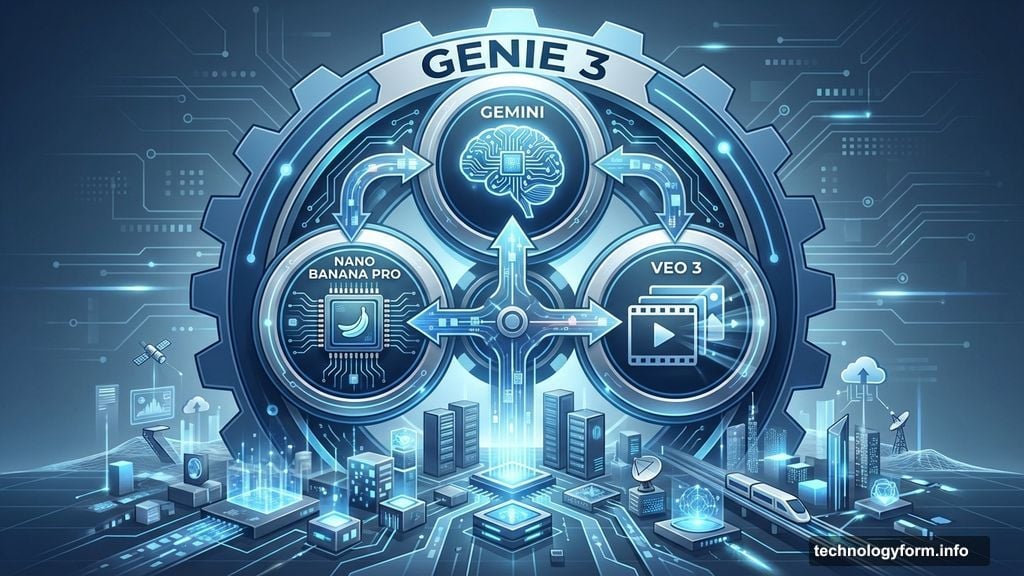
The system combines three of Google’s strongest AI tools. Gemini handles understanding. Nano Banana Pro manages processing. Veo 3 creates the visuals. Together, they build worlds you can walk through, fly over, or explore however you want.
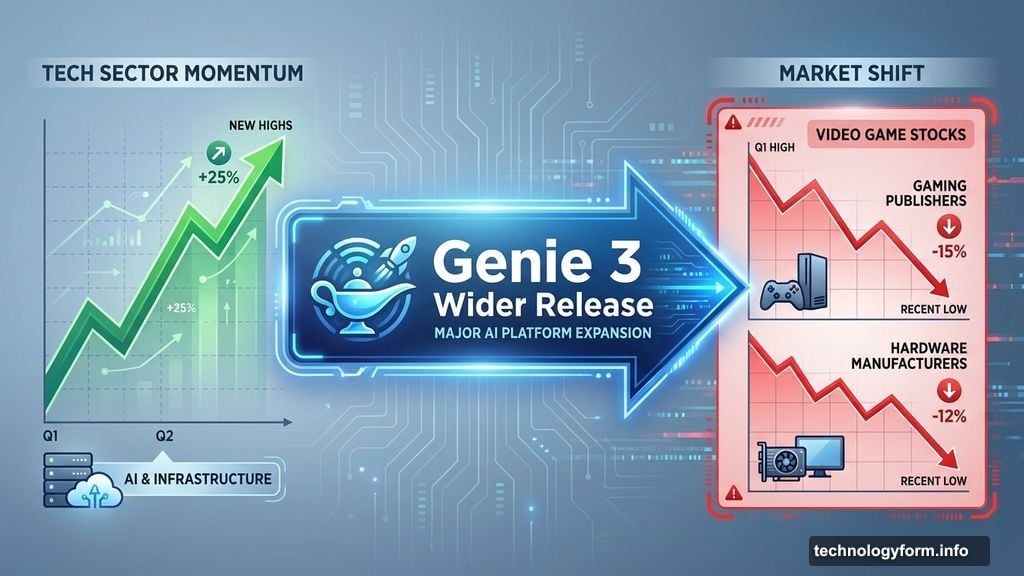
Plus, the reaction was immediate. Several video game stocks dropped when Google announced Genie 3’s wider release. That tells you how seriously investors take this technology.
Three Ways to Build Your World
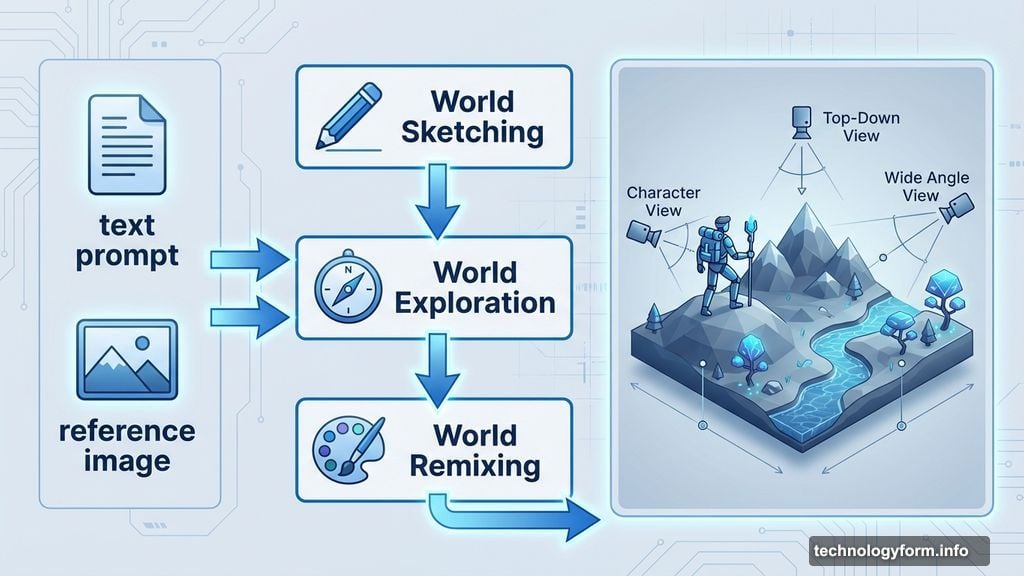
Google breaks Genie 3 into three core functions. Each one lets you control different aspects of world creation.
World Sketching comes first. You describe what you want through text prompts or upload images as reference. Then you choose your character and how it moves. Walking? Flying? Something stranger? You pick the perspective too – first-person, third-person, or other angles.
World Exploration happens next. Once your world exists, Genie 3 generates the path ahead based on your movements. Navigate through the environment. Adjust camera angles. The system builds new terrain as you explore, creating a seemingly endless space from your original prompt.
World Remixing lets you build on existing creations. Google provides a curated gallery of worlds other users generated. Pick one. Add your own twist through new prompts. Download videos of your explorations to share or save.
The Rough Edges Still Show
Genie 3 remains experimental. Google admits several limitations right upfront.
Generated worlds don’t always look photorealistic. Sometimes they ignore parts of your prompt. The AI might interpret “forest” differently than you imagined.
Character control varies wildly. Some characters respond instantly to input. Others lag behind or move unpredictably. Plus, you can only generate 60-second clips right now. That’s enough to explore and experiment, but not enough to build anything substantial.
Moreover, response times fluctuate. Some worlds load and respond smoothly. Others stutter or delay between actions. It depends on complexity and server load.
Video Game Industry Takes Notice
Stock market reactions reveal industry anxiety. Game development traditionally requires teams of programmers, artists, and designers working for months or years.
Now one person with a subscription can prototype game-like experiences in minutes. Sure, Genie 3 can’t match the polish of professionally developed games yet. But the gap between “AI experiment” and “usable tool” keeps shrinking.
Indie developers might find this exciting. Large studios probably see it as a threat. Either way, the technology shifted from “interesting research” to “commercially available” faster than most expected.
Geographic Limits Apply
Google restricts Genie 3 availability for now. You need an AI Ultra subscription. You must be 18 or older. And you have to live in supported territories.
Google promises expansion “in due course.” That’s corporate speak for “we’re not telling you when.” If you’re outside the initial rollout zones, you’ll wait an unknown amount of time.
However, the pattern suggests Google will expand access gradually. They’ll monitor usage, gather feedback, and fix problems before opening to more regions.
Why This Matters Beyond Gaming
Game creation is just one application. Think about training simulations. Virtual tours. Interactive storytelling. Educational environments.
Imagine typing “medieval castle interior” and walking through historically accurate halls. Or “Mars surface” to explore realistic alien terrain. The applications extend far beyond entertainment.
But here’s what concerns me. As these tools improve, they’ll replace entry-level creative jobs first. Environment artists. Level designers. Asset creators. The technology democratizes creation while potentially eliminating careers.
That tension between accessibility and employment will define the next decade of AI development. Genie 3 represents both the promise and the problem wrapped in one experimental package.
Access expands when Google decides you’re ready. Until then, AI Ultra subscribers get to play in worlds that didn’t exist seconds before they imagined them.