
Facebook Marketplace Just Turned Into a Social Shopping Platform. Here’s What Changed
Meta just overhauled Facebook Marketplace with features nobody asked for. Some solve real problems. Others feel like Meta pushing AI everywhere because it can.
The company rolled out collaborative shopping tools, Meta AI integrations, and social features that transform Marketplace from a simple buy-sell platform into something more complex. Whether that’s good depends on what you want from online shopping.
Collections Let You Shop With Friends
The new collections feature makes group shopping easier. Users can save listings into shared collections and invite friends to collaborate.
Here’s how it works. You save a listing. Create a collection. Choose public or private. Add friends. Everyone sees the same items and can share updates through Feed, Messenger, or WhatsApp.
This actually solves a real problem. Roommates furnishing an apartment can browse together. Couples shopping for furniture can stay coordinated. Friends planning a road trip can collectively shop for camping gear.
Meta’s also testing collaborative buying. You can invite someone to join your chat with a seller. Both buyers participate in the conversation, coordinate pickup, and negotiate prices together.
These features make sense. Shopping often happens socially anyway. People already screenshot listings and text them to friends. Meta just built that workflow into the platform.

Meta AI Suggests Questions to Ask Sellers
Meta’s pushing its AI assistant into Marketplace in two ways. First, it suggests questions when you message sellers.
Tap the “Suggested questions to ask” button. Meta AI analyzes the listing and conversation. Then it generates relevant questions you might want to ask.
Does this help? Maybe. New buyers might not know what to ask about used furniture or electronics. But experienced shoppers probably find it annoying. Nobody wants AI interrupting their conversations with obvious questions.
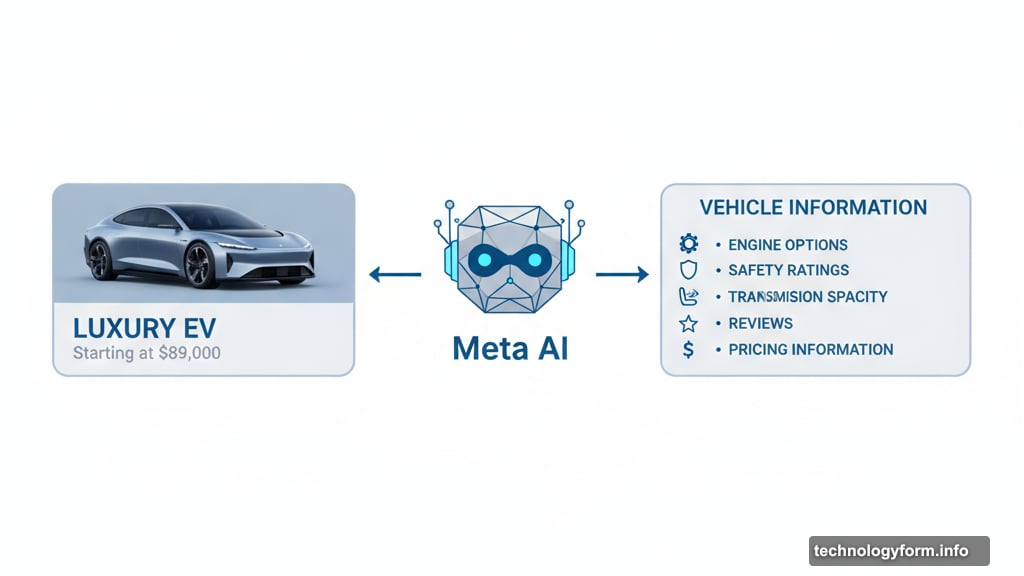
The second AI integration targets vehicle listings specifically. Vehicles rank among the top five searches for young adults on Marketplace.
Now vehicle listings display AI-generated insights. Meta AI compiles engine options, safety ratings, transmission specs, seating capacity, reviews, and pricing information into one view.
This feature adds genuine value. Car shopping requires comparing lots of technical details. Having AI summarize that information saves time and helps buyers make informed decisions.
Social Features Turn Listings Into Content

Facebook Marketplace now includes reactions and comments on listings. Users can engage with items like they would regular posts.
Meta says this helps others learn about item quality and discover new finds. Plus, if you like items, Marketplace learns your preferences and shows more similar products.
But this changes Marketplace fundamentally. The platform launched with a clean, simple design focused on transactions. Adding social features clutters the interface.
Some users will love discussing items publicly. Others will find it distracting. Facebook already feels crowded with content. Now Marketplace joins the noise.
The real question is whether social engagement actually helps buying and selling. Comments might reveal quality issues sellers hide. Or they might fill listings with spam and irrelevant chatter.
eBay and Poshmark Inventory Now Appears in Feeds
Meta integrated inventory from eBay and Poshmark into Marketplace feeds earlier this year. Partner listings appear throughout your browsing with a special icon.
You can view details on Marketplace. But checkout happens on the partner’s site. Meta displays total costs including shipping and tax upfront. Buyers receive notifications as order status changes.

This expansion gives users more options across fashion and electronics categories. But it also blurs what Marketplace actually is.
Is it a local buy-sell platform? A shopping aggregator? A social commerce network? Meta seems to want all three simultaneously.
What This Really Means for Users
Meta’s trying to keep people inside Facebook longer while competing against dedicated e-commerce platforms like eBay, Poshmark, Craigslist, and OfferUp.
The collaborative features make sense. They solve actual problems people face when shopping together. The AI vehicle insights add value. Buyers need that information anyway.
But the social features and aggressive AI integration feel forced. Not every platform needs reactions, comments, and AI suggestions. Sometimes simple works better.
Marketplace succeeded because it was straightforward. List items. Browse locally. Message sellers. Complete transactions. Adding complexity risks ruining what made it useful.
The changes also raise privacy questions. Meta AI analyzes your conversations and browsing behavior to suggest questions and personalize recommendations. That data feeds Meta’s broader AI training and advertising systems.
Users shopping on Marketplace now contribute to Meta’s AI development whether they want to or not. The company doesn’t offer opt-outs for these AI features.
Who Wins and Who Loses
Roommates coordinating furniture shopping win. The collaborative tools genuinely help. Car buyers win too. Those AI insights save research time.
People who liked Marketplace’s simplicity lose. The platform now feels more like Facebook proper—cluttered with social features, AI suggestions, and algorithmic recommendations.
Local sellers might lose if partner inventory crowds out their listings. Why scroll through local furniture when Wayfair products appear in the same feed? Meta says partner listings are marked with icons. But algorithmic feeds don’t always respect user preferences.
Meta wins regardless. More features mean more engagement. More engagement means more data. More data improves AI and advertising targeting. The company profits whether or not the changes actually help users.
Choose how much you engage with the new features. Use collections if you shop with others. Try the vehicle insights if you’re car shopping. Ignore the reactions and AI question suggestions if they annoy you.
Just remember that every interaction feeds Meta’s systems. That’s the real product here.