Instacart Just Killed Its Price Testing. FTC Pressure Works
Instacart stopped charging different customers different prices for the same groceries. The change happened immediately after federal regulators started asking questions.
This matters because millions of shoppers use Instacart weekly. Plus, the company’s decision shows how quickly things can shift when the government gets involved. Let’s break down what actually happened and what it means for your grocery bill.
The Problem That Sparked Investigation
Earlier this month, researchers published a study exposing Instacart’s pricing experiments. They found the company testing different prices on the same items for different customers.
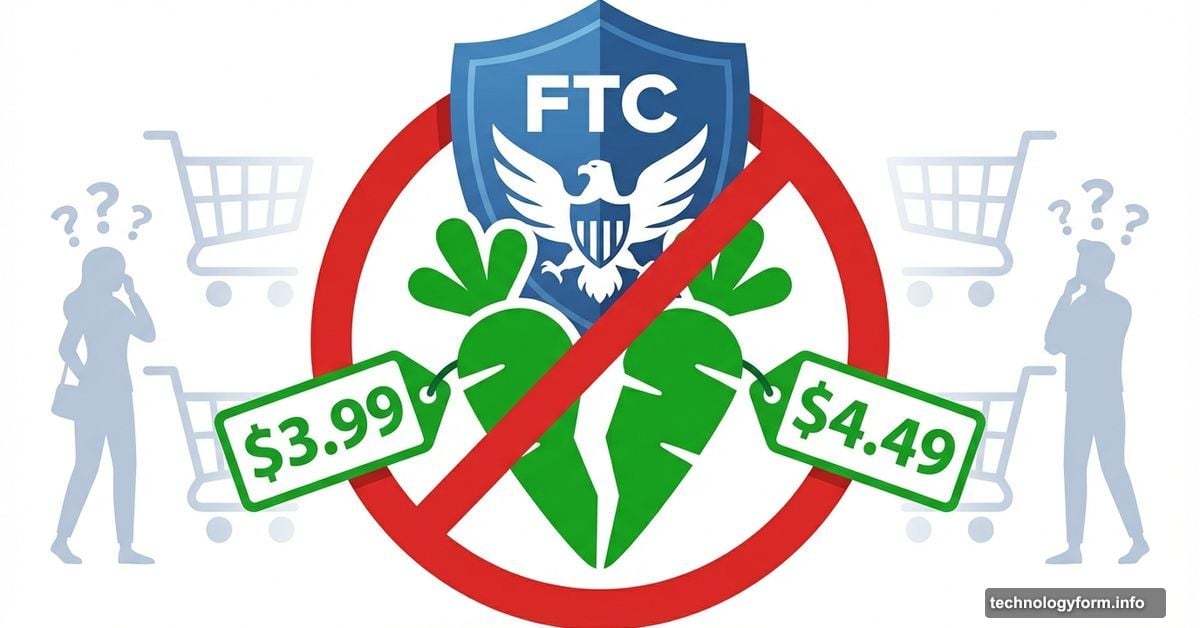
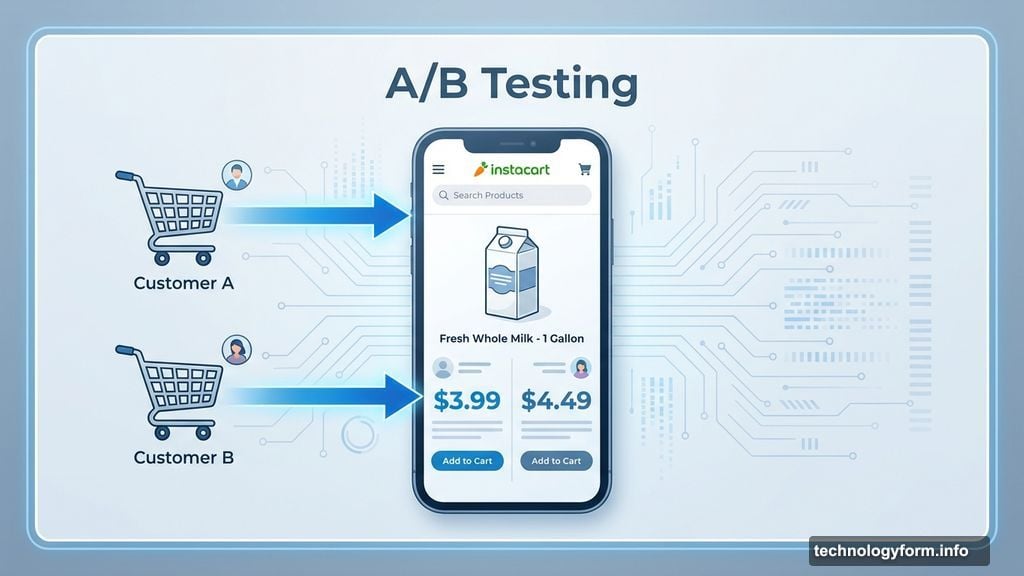
So imagine ordering milk. Your neighbor pays $3.99. But you see $4.49 for the identical product from the same store. That’s what was happening.
Instacart called this “A/B testing.” The grocery industry uses similar tactics in physical stores. But here’s the difference. In-store tests typically apply to everyone shopping that location. Instacart’s digital experiments targeted individual shoppers differently.
Moreover, the study revealed these price variations weren’t random. Although Instacart insisted personal data didn’t drive the tests, customers noticed patterns that felt targeted.
The FTC noticed too. Last week, they announced an investigation into Instacart’s pricing practices. That’s when things moved fast.
Instacart’s Defense Crumbles Fast
The company initially defended its approach. They published a blog post explaining that price tests were “common in the grocery industry” and helped them “invest in lower prices.”
But that argument had holes. Traditional grocery A/B testing happens at the store level. Everyone walking into a specific location sees the same test prices. Digital testing on Instacart operated differently, creating individual pricing experiences.
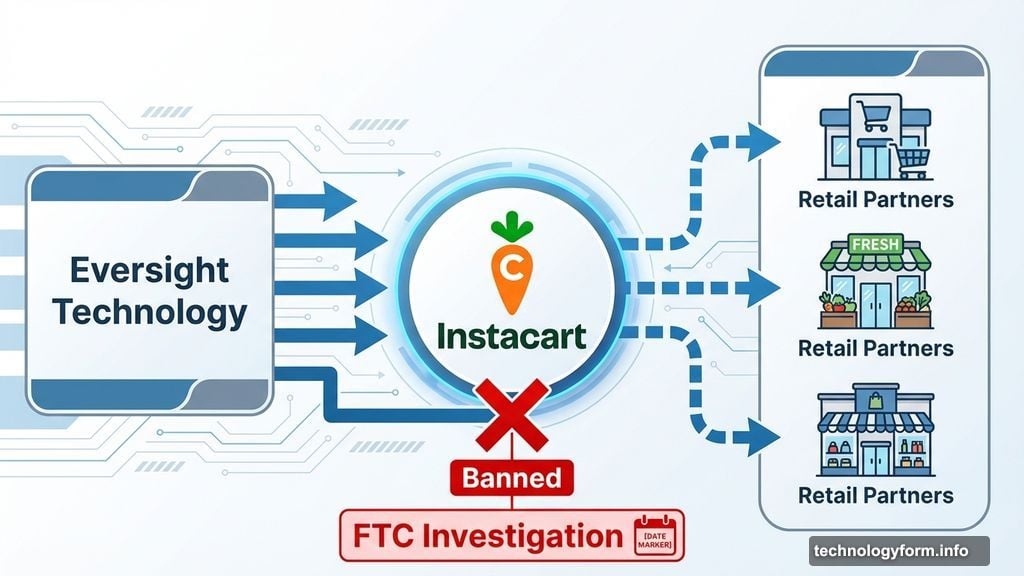
Plus, Instacart kept pointing fingers at retailers. The company emphasized that retail partners set prices, not Instacart itself. Yet Instacart provided the technology enabling these experiments through a service called Eversight.
Then the FTC investigation launched. Within days, Instacart reversed course completely. No more gradual phase-out. No transition period. Just an immediate shutdown of all price testing.
That speed tells you something. When companies flip policy overnight, they usually see serious legal risk ahead.
What Technology Powered These Tests
Instacart used Eversight technology to run pricing experiments. This software let retailers test different price points across customer segments.
The system worked behind the scenes. Shoppers never knew they were part of an experiment. No notification appeared saying “You’re seeing test pricing today.” Just different numbers on identical products.
Now Instacart banned Eversight completely from its platform. Retailers can’t use this technology anymore, even if they want to. That’s a significant shift from Instacart’s previous stance defending these practices.
However, retailers still control their base prices on Instacart. Those prices can vary by location, matching how physical stores operate in different neighborhoods. But the individualized testing stops now.
Your Grocery Bills Moving Forward
So what changes for your shopping experience? First, prices should feel more consistent. When you browse Instacart, the price you see matches what other customers in your area see.
But location-based pricing continues. A gallon of milk might cost more in Manhattan than rural Ohio. That’s normal retail practice both online and offline. Instacart isn’t changing that part.
Moreover, retailers still adjust prices regularly. Sales, promotions, and seasonal changes happen as they always have. You’ll see price fluctuations over time. Just not individual pricing experiments.
Here’s the practical impact. Compare Instacart prices to in-store prices before ordering. Retailers often charge more on delivery apps to cover commission fees. That markup existed before price testing and continues now.
FTC Sends Clear Signal to Tech Companies
This situation demonstrates regulatory pressure working quickly. The FTC investigation barely started before Instacart changed course.
Other companies are watching. Uber, DoorDash, and similar platforms use dynamic pricing algorithms. Those systems adjust prices based on demand, time, and other factors. The line between dynamic pricing and unfair price discrimination gets blurry.
Indeed, the FTC seems ready to scrutinize these practices more closely. Instacart’s rapid retreat suggests their lawyers saw significant liability. Other tech platforms might face similar questions soon.
Furthermore, this case highlights transparency issues in digital commerce. Physical stores post prices everyone sees. Digital platforms can show different information to different people invisibly. That power creates opportunities for manipulation that regulators increasingly view as problematic.
Why This Matters Beyond Groceries
Instacart’s price testing wasn’t unique. E-commerce platforms routinely experiment with pricing. Airlines show different fares to different browsers. Hotels adjust rates based on browsing history. Online retailers test various price points constantly.
The difference? Most companies claim these variations reflect legitimate factors like location, device type, or inventory levels. Instacart’s experiments felt more arbitrary, testing pure price sensitivity without clear justification.
So this decision might ripple across digital commerce. If the FTC successfully challenges individualized pricing experiments, other platforms might need to rethink their approaches. That would represent a major shift in online retail practices.
Plus, consumer trust matters. When shoppers suspect they’re paying more than others for identical products, they lose faith in the platform. Instacart recognized that risk. Better to end testing now than face prolonged regulatory battles and customer backlash.
The Uncomfortable Truth About Digital Pricing
Here’s what bothers me most about this situation. Instacart had the technology to charge fair, consistent prices all along. They chose experiments instead.
The company framed testing as helping customers through lower prices. But if that were true, why not just lower prices for everyone? Why test different amounts on different people?
The answer seems obvious. They wanted to find the maximum each customer would pay. That’s profit optimization, not customer service. And when researchers exposed it, followed by FTC scrutiny, Instacart backed down immediately.
Your grocery bill shouldn’t depend on whether you’re part of a pricing experiment. This change makes Instacart fairer. But it happened only because they got caught and regulators stepped in.
Watch your receipts. Compare prices across platforms. These companies optimize for their profits, not your savings. The only defense is staying informed and shopping smart.