ChatGPT Just Copied Spotify Wrapped. Here’s Your AI Year in Review
OpenAI wants you to see how much time you spent talking to robots in 2025.
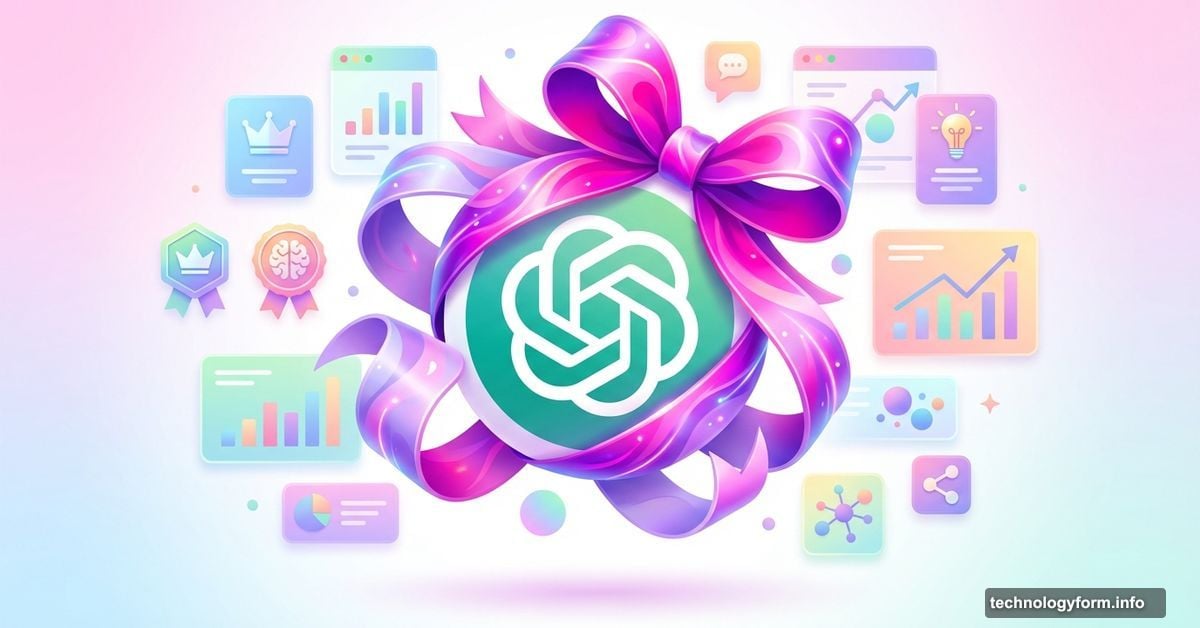
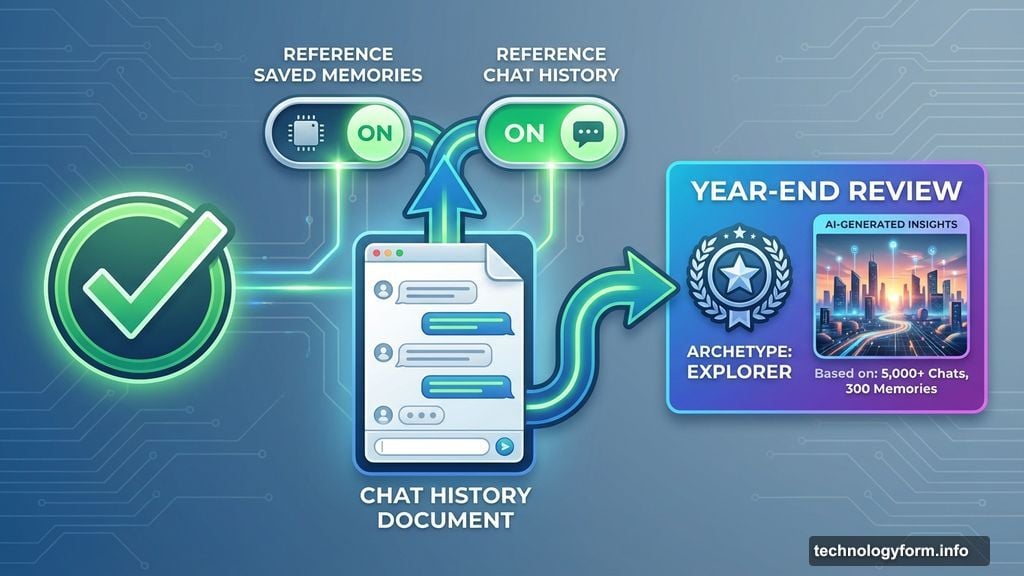
The company just launched “Your Year with ChatGPT.” Think Spotify Wrapped, but for your AI conversations. Instead of music stats, you get a pastel-colored breakdown of every question you asked and every topic you explored.
It’s rolling out now in the US, UK, Canada, Australia and New Zealand. Plus, everyone gets it—free users, Plus subscribers, all of them. But there’s a catch we’ll get to in a minute.
What Your ChatGPT Wrapped Actually Shows
OpenAI analyzes your entire chat history to pull out patterns. Then it packages everything into shareable graphics.
You’ll see your biggest themes and curiosities throughout the year. The system also assigns you an “archetype” based on how you use ChatGPT. For instance, I got labeled a “Navigator,” which apparently describes 22.9% of users.
Makes sense. I spent most of 2025 stress-testing ChatGPT against Claude and Gemini. So yeah, navigator fits.
Beyond archetypes, you get awards for specific attributes. Mine included an “inventor” badge. OpenAI even generates an AI image summarizing all your interests. It’s meta in the weirdest way—AI creating art about your AI usage.
The Privacy Fine Print Nobody Reads
Here’s what OpenAI doesn’t advertise prominently. You only get this year-end review if two specific settings are enabled.
First, “reference saved memories” must be on. Second, “reference chat history” needs to stay active. Both settings let OpenAI store and analyze everything you type.
Moreover, you need a minimum number of chats to trigger the feature. OpenAI hasn’t specified the exact threshold. But casual users might not qualify.
Also, this feature skips Team, Enterprise and Education accounts entirely. So if you use ChatGPT at work, you’re out of luck.
Everyone Wants to Be Spotify Now
OpenAI isn’t pioneering anything here. They’re jumping on a bandwagon that’s been rolling for years.
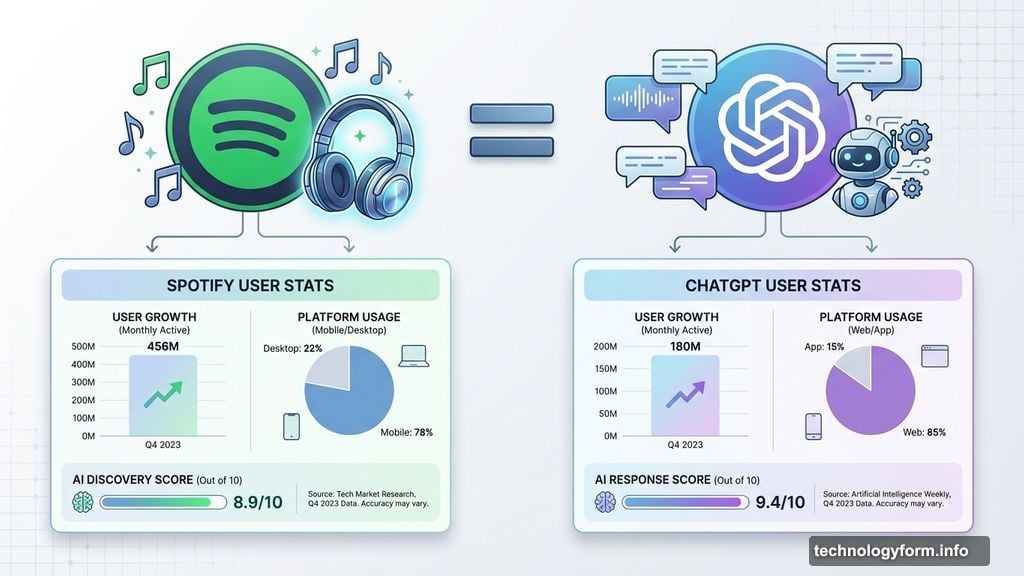
Spotify Wrapped created the template. Users eagerly share their music stats every December. That social media buzz became too valuable for other platforms to ignore.
YouTube launched Recap to show your most-watched creators. Google followed with Search and Photos recaps. Apple Music, PlayStation and Steam all joined in. Even dating apps created parody wrapped videos showcasing people’s terrible dating stats.
The formula works because people love data about themselves. Plus, these recaps drive massive organic social media engagement. Free marketing disguised as a fun feature.
OpenAI’s Rollercoaster Year
This ChatGPT Wrapped caps a wild 2025 for OpenAI. The company released GPT-5, though users weren’t exactly thrilled with it. They also launched GPT-OSS, their first open weights local model.
On the business side, OpenAI secured major infrastructure deals with Oracle, Nvidia and AMD. Those partnerships helped push the company’s valuation to $830 billion. Not bad for a nonprofit-turned-for-profit that started making AI chatbots.
But the transition from nonprofit to private company raised eyebrows. Critics questioned whether OpenAI abandoned its original mission. The move also laid groundwork for a potential IPO, which could happen soon.
Meanwhile, Google’s breathing down their neck. Gemini 3 launched to strong reviews. Plus, investors are getting nervous about OpenAI’s burn rate. The broader AI bubble concerns don’t help either.
And let’s not forget the lawsuits. CNET’s parent company, Ziff Davis, sued OpenAI in April for copyright infringement. They’re not alone—several publishers claim OpenAI trained its models on their content without permission.
Why This Actually Matters
Year-end recaps aren’t just fun and games. They reveal how companies view your data and relationship with their products.
OpenAI wants you to see ChatGPT as a personal assistant you’ve built a year-long relationship with. The recap reinforces that connection. It makes abstract AI interactions feel tangible and meaningful.
But it also normalizes constant data collection. To get your wrapped, OpenAI needs to store and analyze every conversation you’ve had. That’s a significant amount of personal information.
The feature works because most people won’t think deeply about privacy trade-offs. They’ll just want to see their stats and share them with friends. OpenAI knows this. That’s why the privacy requirements are buried in the fine print.
Should You Care About Your AI Stats?
Honestly? It depends on how much you use ChatGPT.
If you’re a power user who leans on AI for work, writing or research, the recap might provide interesting insights. You’ll see patterns in your thinking and problem-solving approaches.
But if you only use ChatGPT occasionally, the stats won’t reveal much. You probably won’t even qualify for the feature without enough chat volume.
The bigger question is whether you’re comfortable with OpenAI storing all this data. The year-end recap only exists because the company keeps detailed logs of every interaction. That might bother you. Or you might not care.
Either way, now you know the trade. Free AI assistance in exchange for comprehensive data collection. Your call whether that’s worth it.