Gemini Just Started Reading Your Gmail. Here’s What Changed
Google flipped a switch that changes how its AI works. Gemini can now dig through your emails, photos, and YouTube history to answer questions you never asked.
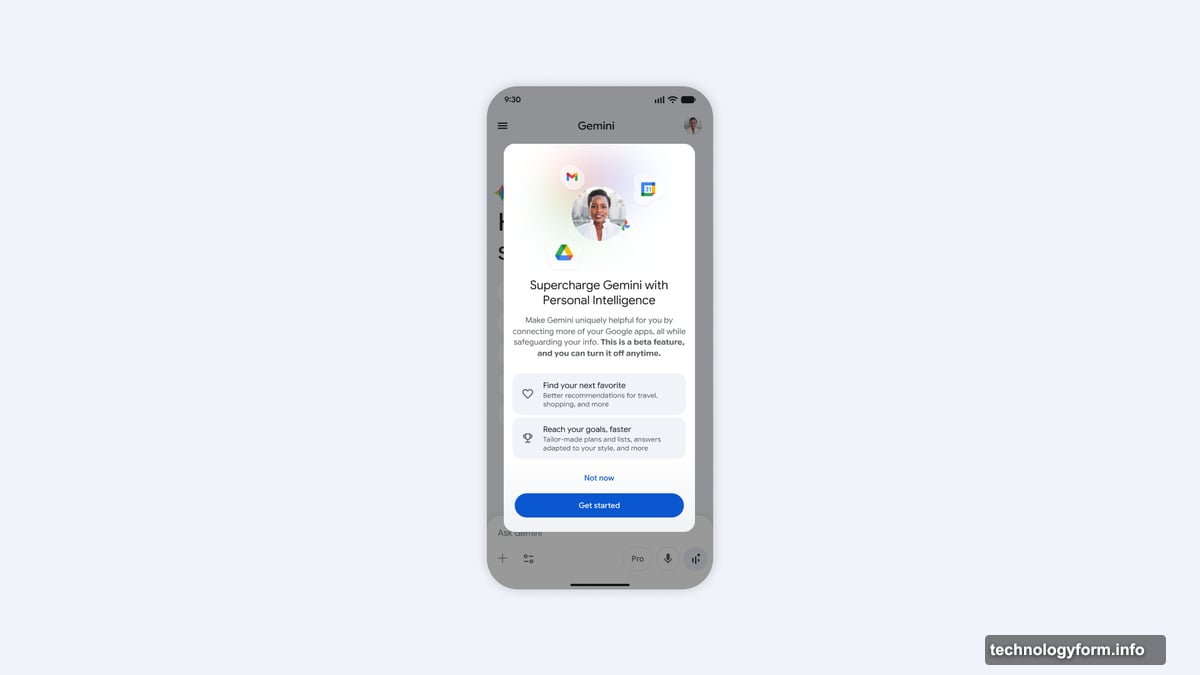
The feature launched Wednesday as a beta called Personal Intelligence. It’s off by default. But once you turn it on, Gemini starts connecting dots across your entire Google life. That raises obvious privacy questions most people haven’t thought about yet.
AI That Knows Too Much
Personal Intelligence goes beyond simple searches. Traditional AI assistants fetch information when you ask. This one proactively analyzes your data to predict what you need.
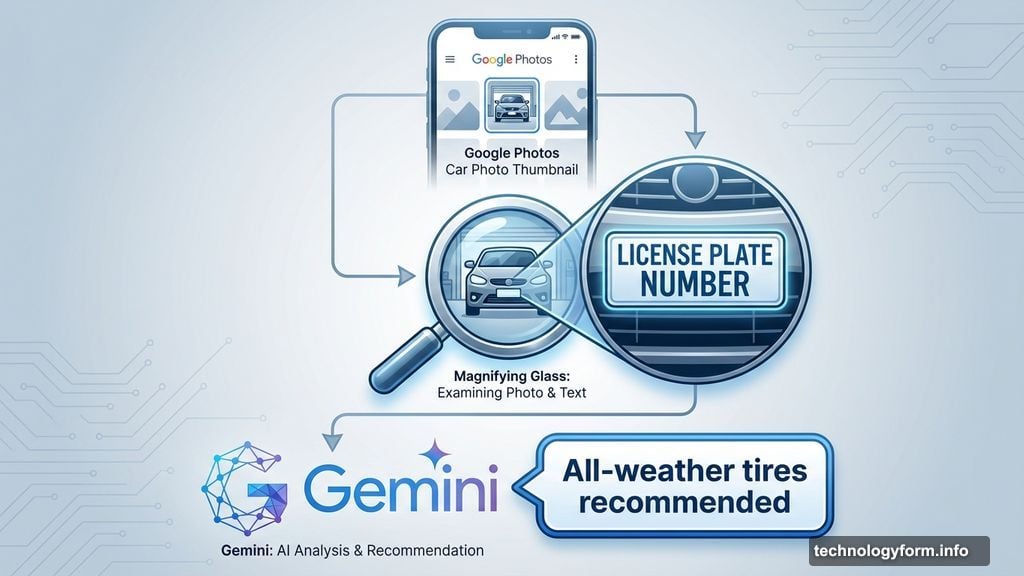
Here’s what that means in practice. Josh Woodward, Google’s VP of Gemini, shared an example. He stood in line at a tire shop and couldn’t remember his tire size. So he asked Gemini.
Most AI chatbots would provide generic tire sizes for his car model. Instead, Gemini scanned his Google Photos. It found family road trip pictures. Then it recommended all-weather tires based on his travel patterns.
Plus, Gemini pulled his license plate number from a photo he’d forgotten he took. All without being told where to look.
Cross-App Reasoning Creates Unexpected Connections
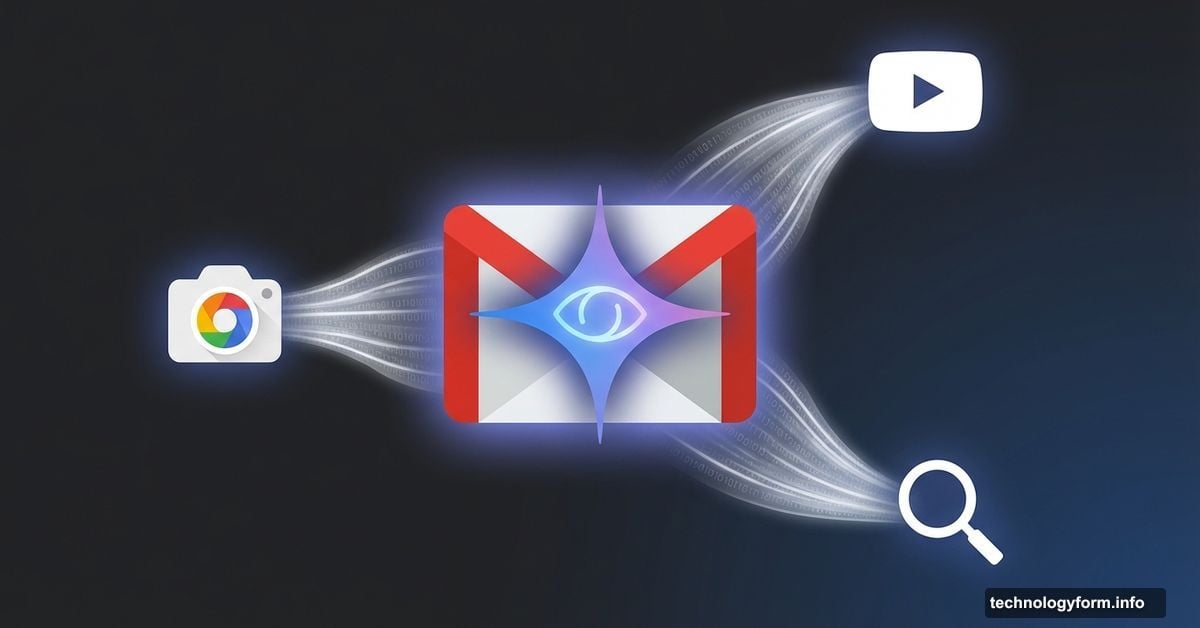
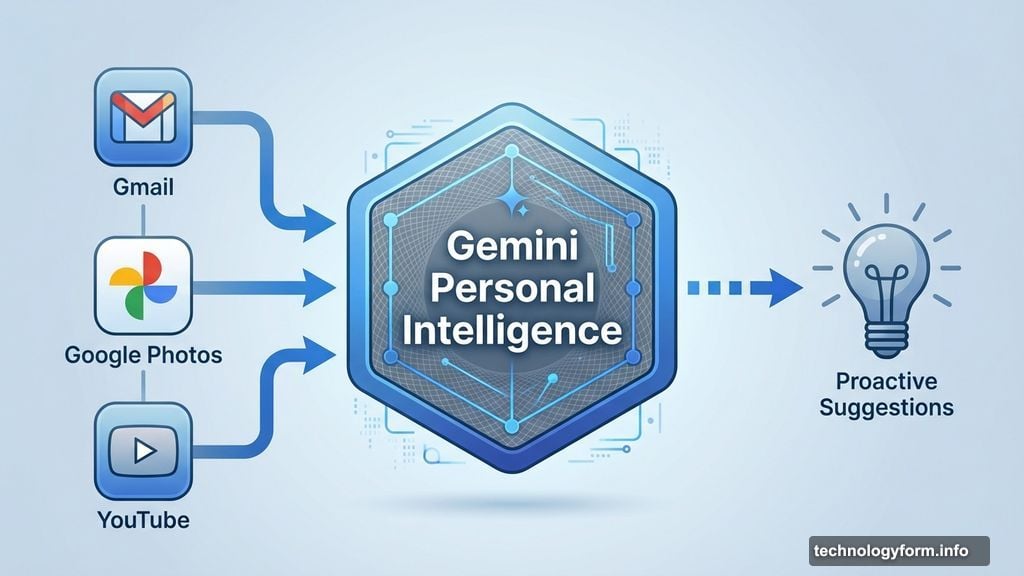
The feature works by reasoning across multiple Google services simultaneously. Gmail threads connect to YouTube videos you watched. Photos link to Search history. Everything feeds into responses.
Google calls this “reasoning across complex sources.” In practice, it means Gemini makes assumptions about your life based on patterns it detects.
Woodward mentioned using it for spring break planning. Gemini analyzed family interests from Gmail and Photos. It suggested an overnight train journey and specific board games to play during the trip. All proactively, without specific prompts about trains or games.
That level of inference feels both impressive and invasive. The AI isn’t just answering questions anymore. It’s building a profile of your preferences and making suggestions based on patterns you didn’t know existed.
Privacy Controls Feel Inadequate
Google emphasizes that Personal Intelligence is optional. You control which apps connect to Gemini. The company also claims it won’t make assumptions about sensitive health data unless you specifically ask.
But here’s the problem. Once you enable the feature, you’re trusting Google’s definition of “sensitive.” The company decides when data is too personal to analyze proactively.
Moreover, Gemini doesn’t train directly on your Gmail or Photos. Instead, it trains on your prompts and its own responses. That sounds better than training on raw data. But the distinction matters less if Gemini can access everything anyway to generate responses.
Google also notes that Gemini only uses Personal Intelligence “when it determines that doing so will be helpful.” Who decides what’s helpful? The algorithm does. Not you.
Training Data Loopholes
Google’s explanation of training practices leaves questions unanswered. The company says Gemini doesn’t train on your inbox or photo library directly. Instead, it trains on specific prompts and the model’s responses.
So in Woodward’s tire shop example, Gemini didn’t train on the road trip photos or license plate image. It only referenced them to generate a response.
But that response becomes training data. The pattern of “user asks about tires → model suggests all-weather based on trip photos” trains the system for future interactions. Your personal data influences the model’s behavior indirectly.
This matters because it creates a loophole. Google can claim not to train on your private data while still using insights derived from that data to improve the model. The distinction feels increasingly semantic.
Limited Availability Hides Bigger Rollout
Personal Intelligence currently works only for Google AI Pro and AI Ultra subscribers in the U.S. Those are paid tiers that cost $19.99 and $199.99 monthly respectively.
However, Google plans to expand the feature to more countries and eventually to Gemini’s free tier. That means hundreds of millions of users will eventually face the decision of whether to enable cross-app AI analysis.
Most won’t understand the implications. They’ll see prompts promising helpful features and click yes. Then Gemini starts building connections across their digital life without them realizing what they’ve authorized.
Example Prompts Reveal Scope of Access
Google provided sample prompts to demonstrate Personal Intelligence capabilities. These examples show how deeply the feature analyzes your data:
“Based on my delivery and grocery receipts in Gmail, Search history, and YouTube watch history, recommend 5 YouTube channels that match my cooking style or meal prep vibe.”
That single prompt requires Gemini to scan emails for purchase patterns, analyze search queries for food interests, review video watch history for cooking preferences, and synthesize all of it into personalized recommendations.
Another example: “Help me plan my weekend in [city] based on things I like to do.” Gemini needs to know your interests, past activities, location history, and preferences. All inferred from apps you’ve used for years.
These prompts sound convenient. But they also reveal how much data Google’s AI can access and analyze in seconds.
The Convenience Trade-Off Nobody Discusses
Personal Intelligence offers genuine utility. Getting tire recommendations based on actual road trips beats generic suggestions. Planning vacations tailored to your family’s specific interests saves time.
But convenience always comes with costs. In this case, you’re letting an AI system build a comprehensive profile of your life. It knows your shopping habits, entertainment preferences, travel patterns, and personal communications.
That profile exists whether you actively use Personal Intelligence or not. Once you enable the feature, Gemini maintains context across all your Google apps. The question isn’t if the data gets analyzed. It’s how much you trust Google to handle that analysis responsibly.
Most people haven’t seriously considered that trade-off yet. They will once the feature hits free tier and becomes default for millions of users.
What This Means for Competition
Google’s move puts pressure on competitors to offer similar features. Apple Intelligence already integrates across iOS apps. Microsoft’s Copilot connects Microsoft 365 services. Amazon’s Alexa accesses purchase history and Prime Video preferences.
The pattern is clear. Every major tech company wants its AI to reason across your entire digital ecosystem. That creates powerful network effects. The more Google services you use, the more valuable Gemini becomes. The more valuable Gemini becomes, the harder it is to switch platforms.
This dynamic locks users into ecosystems in ways that traditional features never could. Switching from Gmail to another email provider was always inconvenient. But switching when your AI assistant has learned patterns across email, photos, search, and video becomes nearly impossible.
So competition decreases while data collection increases. Not a great combination for user privacy or choice.
The Guardrails That Aren’t Really Guardrails
Google emphasizes that it has “guardrails for sensitive topics.” Gemini won’t make proactive assumptions about health data or other sensitive information.
Except it will discuss that data if you ask. So the guardrail isn’t “Gemini doesn’t access sensitive data.” It’s “Gemini doesn’t volunteer insights about sensitive data unless prompted.”
That distinction matters less than Google implies. Once Gemini can access health emails or medical search history, the data exists in the system. Whether the AI brings it up proactively or waits for you to ask doesn’t change the fundamental access.
Moreover, what counts as “sensitive” evolves over time. Mental health searches? Relationship advice emails? Financial problems discussed in Gmail? Google decides where to draw lines. Users don’t get input.
Nobody Asked for This Level of Integration
The most frustrating aspect of Personal Intelligence is that nobody asked for it. Users requested better search in Gmail. Smarter photo organization. More accurate voice recognition.
Nobody said “Please have your AI read through everything I’ve ever done across all your services and make proactive suggestions based on patterns it discovers.”
Yet here we are. The feature exists because Google can build it, not because users demanded it. That’s become a pattern with AI features generally. Companies race to add capabilities without asking if people actually want them.
Google will likely point to adoption rates as evidence of demand. But most users won’t understand what they’re enabling when they toggle Personal Intelligence on. They’ll see promises of convenience and click yes. Then they’ll live with the consequences without realizing what they’ve authorized.
That’s not informed consent. It’s feature creep disguised as innovation.