Windows 10 Did One Thing Right. Windows 11 Forgot It
Windows 10 officially died in October 2024. Technically, anyway.
Microsoft ended support after years of warnings. But millions still cling to it. StatCounter shows Windows 11 finally overtook Windows 10 globally in July 2025. Steam’s hardware survey dropped Windows 10 from 44% to 31% market share. Still, that’s a massive holdout refusing to upgrade.
Why won’t people move on? Windows 10 earned its reputation as one of the “good” versions. It fixed Windows 8’s disasters and stayed out of your way. Windows 11 does the opposite. Microsoft forgot what made Windows 10 work.
Windows 10 Understood the Assignment
Windows 10’s biggest win was simple. It wasn’t Windows 8.
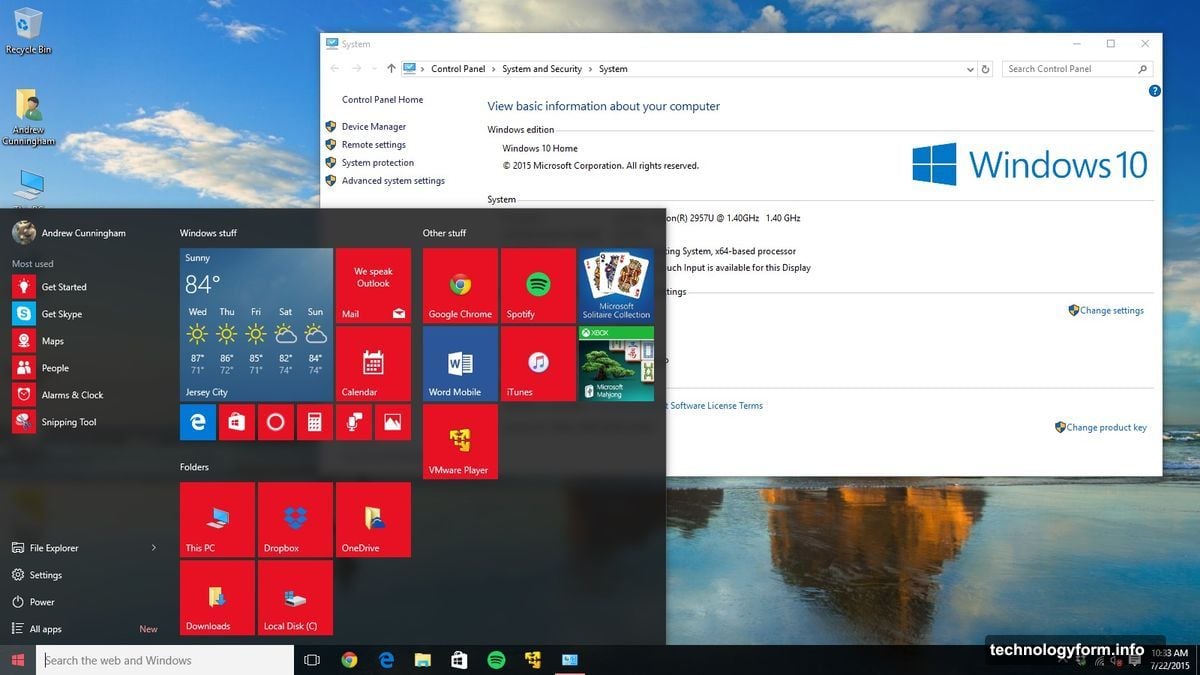
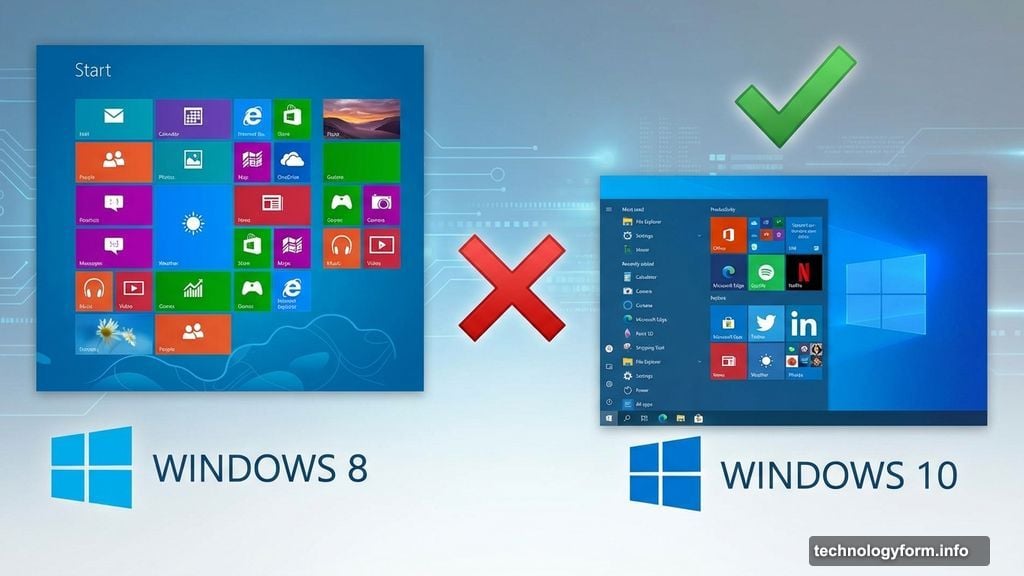
Remember that mess? Full-screen Start menu. Touch-first interface on desktop PCs. Microsoft pushed a mobile vision onto users who just wanted their computers to work. Windows 10 rolled back the chaos. It brought back a traditional Start menu. Sure, it looked different from Windows 7. But it felt familiar enough not to trigger mass rebellion.
Microsoft also made smart moves beyond the Start menu. Windows 10 rolled out as a free upgrade for Windows 7 and 8 users. It ran on the same hardware. No forced obsolescence. Updates arrived on a predictable schedule instead of every few years. That meant faster feature rollouts without the pain of major OS reinstalls.
The timing helped too. Satya Nadella had just replaced Steve Ballmer as CEO. Microsoft’s whole attitude shifted. Office apps landed on iOS and Android. Edge ditched its proprietary browser engine for Chromium. Windows Subsystem for Linux gave developers real Unix tools on Windows. Microsoft stopped forcing its ecosystem on everyone and met users where they were.
None of this was perfect. But Windows 10 responded to real complaints. It rolled out in a way that actually helped users instead of just extracting value from them.
Windows 10 Started the Problems Windows 11 Made Worse
Most Windows 11 complaints started during the Windows 10 era. Microsoft just made them more aggressive later.
Windows 10 wanted your data from day one. Microsoft claimed it needed usage information to “improve the OS” and “personalize ads.” Translation: more tracking than Windows 7 ever attempted. Plus, the faster update cycle broke things constantly. Beta programs existed but couldn’t catch every bug before millions of PCs installed broken updates.
Microsoft also got pushy about its own products. Edge and Cortana launched with huge marketing pushes, then failed. The taskbar news widget cluttered your screen. Lock screens filled with ads and articles. Third-party shovelware games appeared in the Start menu without permission. Even the free Windows 10 upgrade annoyed people by downloading files automatically and refusing to go away.
The mandatory Microsoft Account requirement? That started in Windows 10. Only for Home edition initially, and easy to skip with visible buttons. But Microsoft laid the groundwork. Windows 11 just followed the path Windows 10 cleared.
Windows 11 Cranked Everything Up to Annoying
Windows 11 stacked new annoyances on top of Windows 10’s existing problems. The pile got too high to ignore.
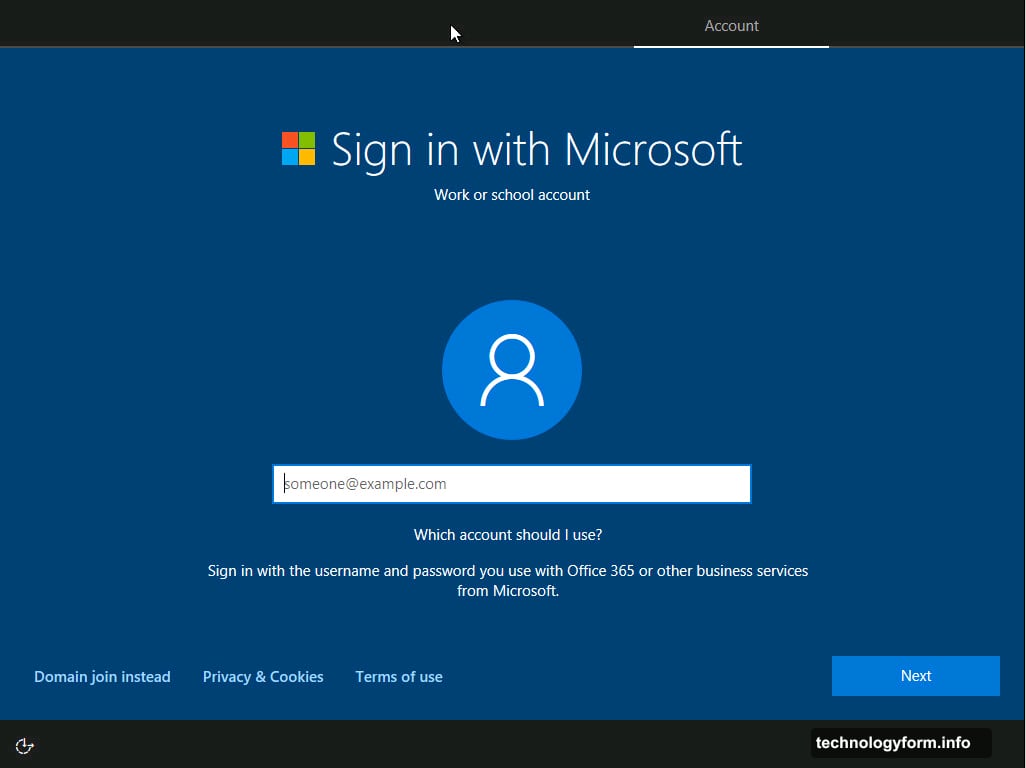
Microsoft Account sign-in became mandatory for both Home and Pro editions starting with version 22H2. Workarounds exist. But you need to know about them beforehand or search them up yourself. Microsoft doesn’t offer an opt-out button anymore. In fact, they’re closing loopholes in future updates to make circumvention even harder.
Signing in unlocks a barrage of ads for Microsoft 365, Game Pass, and services you never asked about. Then comes the Second Chance Out-Of-Box Experience screen. SCOOBE reminds you about Microsoft services on PCs you set up years ago. It’s turned off via a buried checkbox in Notifications settings. But why not just make it easier to dismiss permanently? Microsoft already spams you with system notifications about these same services.
The Copilot AI push makes everything worse. Microsoft changed the default keyboard layout for the first time in 30 years to add a Copilot key. Copilot features invaded Word, Paint, Edge, and Notepad. Sometimes you can uninstall or disable them. Sometimes you can’t. There’s no feature too intrusive for Microsoft to force on you.
Recall almost shipped despite catastrophic security flaws. Microsoft “fixed” it after massive backlash. But they still shipped it. The “agentic” AI features currently in testing come with documented security and privacy risks. Microsoft executives keep talking about building an “agentic OS” though. So those features are coming whether users want them or not.
Microsoft crossed the line from introducing features to forcing features. Their AI additions feel like intrusions instead of improvements.
System Requirements Became a Marketing Tool
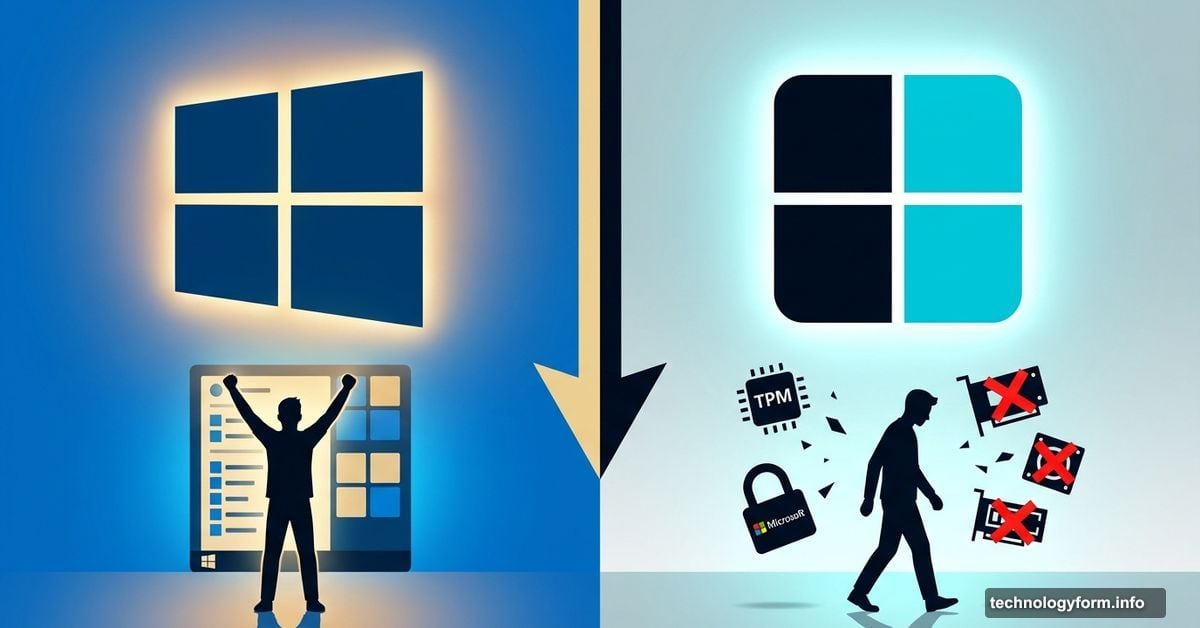
Windows 10 ran on anything that handled Windows 7 or 8. Windows 11 excluded millions of functional PCs with new requirements.
Microsoft claims the requirements improve security. TPM enables disk encryption. Secure Boot protects against invisible threats. Old CPUs don’t get firmware security patches forever. These arguments make sense on paper.
But Microsoft ruins the message by showing full-screen ads for new Copilot+ PCs to Windows 10 users whose systems can run Windows 11 fine. That’s not security. That’s upselling. People already believe in planned obsolescence. Microsoft’s full-screen ads confirm their worst suspicions about being forced to buy new hardware.
Windows 11 Has Good Bones Buried Under Junk
Windows 11 could be great. The Enterprise version proves it. Install Enterprise and you get a clean OS without the cruft. Microsoft can’t alienate businesses that pay for fleet-wide Windows deployments. So Enterprise gets respect. Home and Pro users get ads.
Microsoft made huge progress on Arm-based PCs. Windows Subsystem for Linux improved dramatically. Gaming handheld support looks promising as Microsoft’s answer to Steam Deck. The foundation exists for an excellent operating system.
But as someone who’s used every Windows version since 3.1, I’ve never felt more frustrated than during Windows 11’s Copilot era. The OS can be tamed with effort. But taming became an essential part of my PC setup process. I have to remove junk before my computer feels ready to use.
Windows 10 wasn’t perfect. But people installed it willingly because it solved real problems without creating new ones. Microsoft needs to recommit to a quieter, cleaner Windows that gets out of the way. Let people use their computers how they want. The same way Microsoft recommitted to security after embarrassing breaches.
Windows 10 holdouts need convincing that Windows 11 isn’t actually bad underneath all the noise. Microsoft could do that. But they’d have to stop treating their own users like advertising billboards first.