Trump Just Killed Biden’s AI Chip Strategy. China Wins.
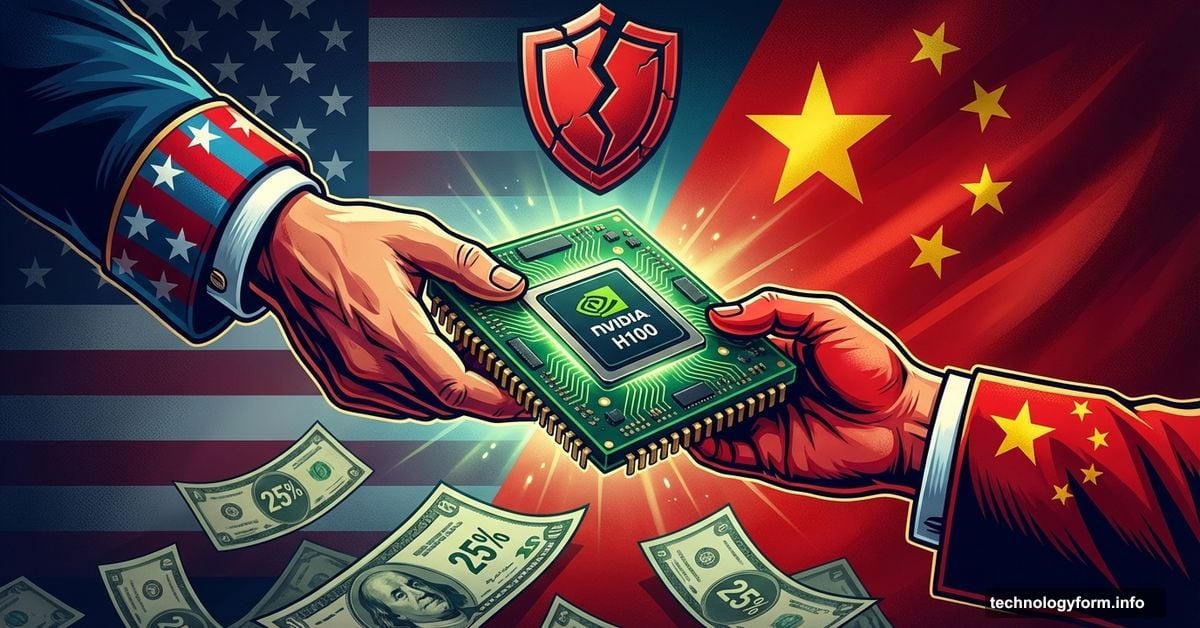
Jake Sullivan spent years building export controls to block Nvidia from selling advanced chips to China. Then Trump reversed everything in exchange for a 25 percent cut.
The policy shift represents a stunning reversal in America’s tech war with China. Biden’s national security team treated AI chips like Cold War nuclear secrets. Trump treats them like negotiable commodities.
Sullivan, now teaching at Harvard after leaving the White House, minces no words about the consequences. “It’s just a gift to China,” he told me in a wide-ranging interview. The gift comes wrapped in America’s most advanced chip technology, delivered straight to a country determined to dominate global AI.
Why Export Controls Mattered
China faces exactly one major constraint in the AI race: chips. Not power. Not money. Not talent. Just access to the advanced processors that train frontier AI models.
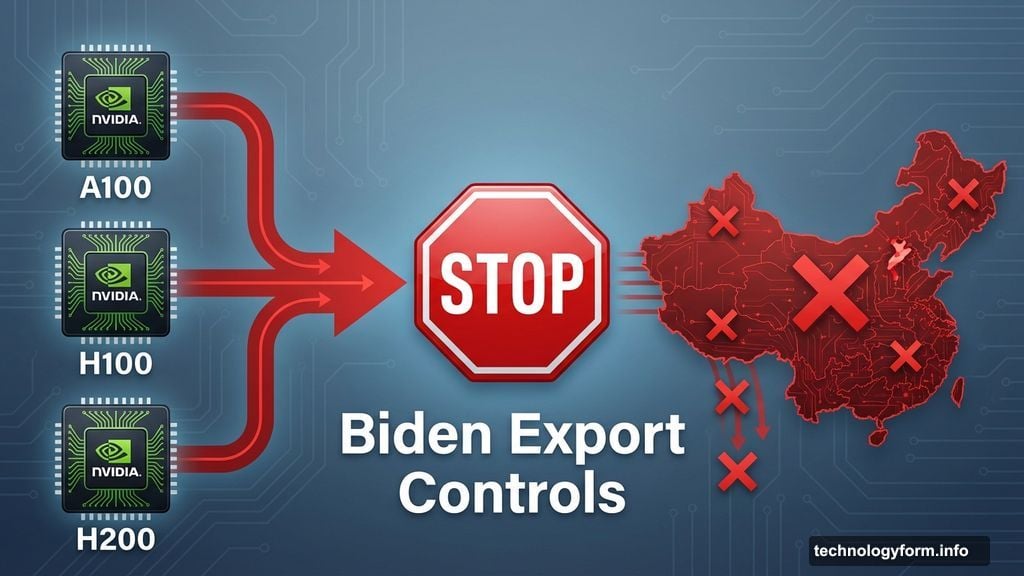
Biden’s team understood this. So they blocked sales of Nvidia’s most powerful chips—the A100 and H100—to Chinese buyers. Tech companies screamed about lost revenue. But Sullivan’s team held firm.
The bet paid off. Nvidia’s market cap in 2022 sat below $400 billion. Today? Multiple trillions. It’s now the world’s most valuable company. Turns out demand outside China proved more than sufficient.
However, Trump sees things differently. His administration now permits Nvidia to sell the H200—the company’s second-most powerful chip—to Chinese customers. The US government takes a 25 percent cut of sales.
Sullivan’s response captures the strategic problem perfectly. “We are now basically filling that hole for them.”
The Tesla Precedent Nobody Remembers
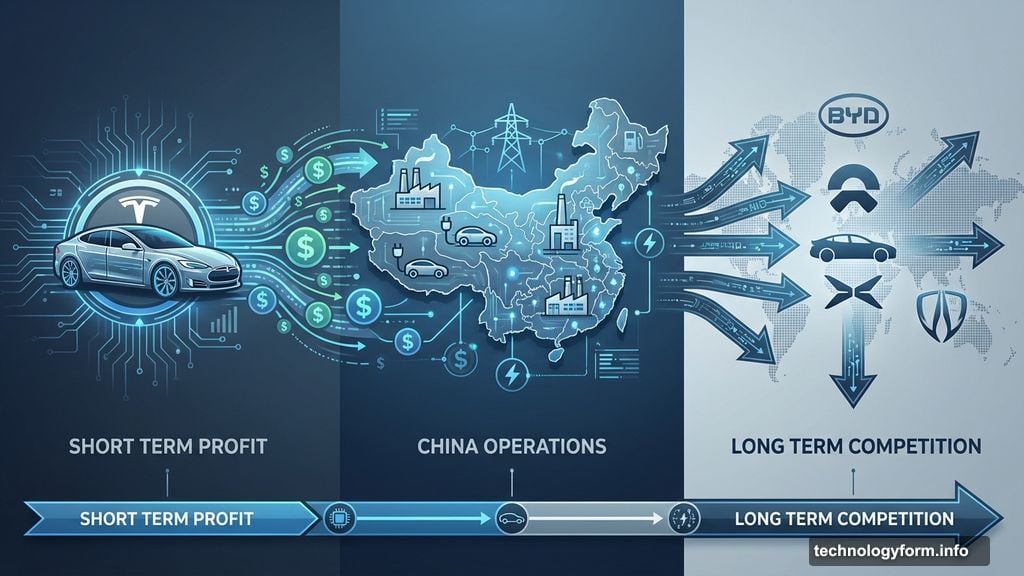
American companies have tried this playbook before. Sell to China. Make quick profits. Get squeezed out later.
Electric vehicles tell the story. Tesla bet big on Chinese market access. Elon Musk played nice with Beijing. The logic seemed sound—access to a billion-plus consumers.
But China used that access to master EV technology. Then they poured money into domestic production. Now Chinese EVs dominate their home market and increasingly compete globally. Tesla’s China strategy looks increasingly naive in retrospect.
Sullivan expects history to repeat with AI chips. “In the short term, they will be able to book more orders,” he explained. “In the long term, they are contributing to a competitor that is going to squeeze them over time.”
Chinese officials have stated openly—for years—that they intend to end dependence on American chip technology. Plus, they’re determined to become a major competitor to US chips globally. Trump’s policy helps them achieve both goals.
Nvidia’s Competitive Fears Drive Policy
Why would Nvidia push for this policy change? Competition at home, not just abroad.
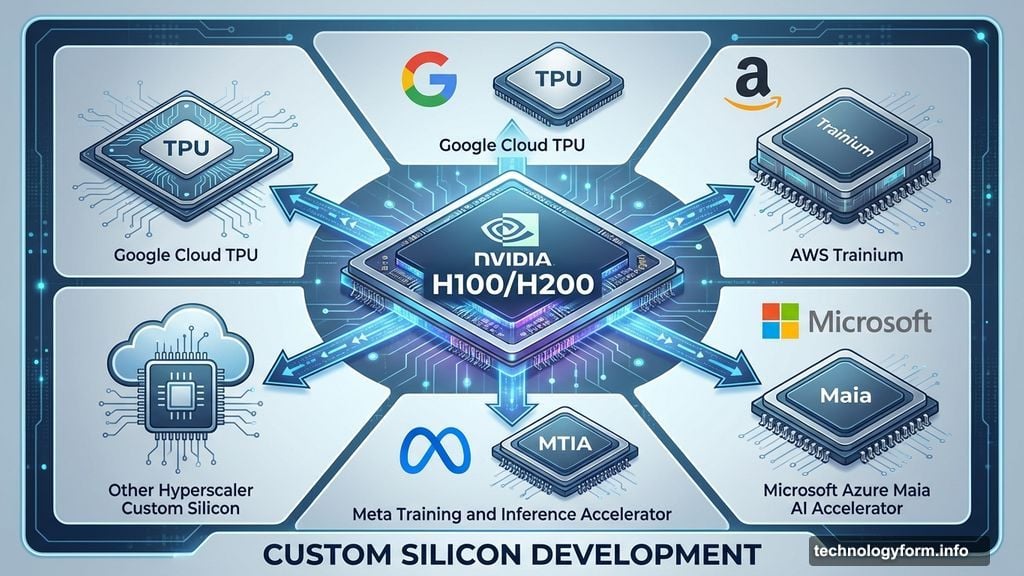
Google builds its own TPUs. Amazon develops Trainium chips. Other hyperscalers increasingly design custom silicon. Nvidia faces a future where its biggest customers source chips elsewhere.
So the company’s logic goes: “We need the Chinese market.” It’s a defensive play against eroding domestic demand.
Sullivan acknowledges this reasoning but remains unconvinced. “I see that logic,” he said. “I ultimately have questions about whether that will work for Nvidia. But what I know for certain is that it will not work for the United States of America.”
The distinction matters. What helps one company’s quarterly earnings might harm national security. Yet Trump’s administration prioritizes the former over the latter.
The Simulation That Didn’t Plan for This
Back in 2022, Sullivan assembled an interagency war game from the Situation Room. The scenario: an AI arms race between the US and China. Multiple outcomes got explored—from trade wars to real wars to potential AGI emergence.
One scenario never made the list. “I confess that we did not factor in the possibility that we would actually be rolling back our export controls,” Sullivan admitted.
His team assumed policy continuity. The first Trump administration actually strengthened chip export restrictions. Biden built on that foundation. Sullivan expected the second Trump term would maintain these controls.
That assumption now looks painfully wrong. Republicans in Congress share Sullivan’s surprise. Many Trump supporters expected him to take a harder line on China, not softer.
DeepSeek Hype Versus Reality
When China unveiled DeepSeek earlier this year, Western media proclaimed it proof that export controls failed. Chinese propaganda outlets amplified the message: American restrictions can’t stop us.
Sullivan calls this nonsense. He points to DeepSeek’s own CEO, who repeatedly stated that chips remain their main constraint. Lack of access to high-end American GPUs limits their progress.
“If I had still been national security adviser, I would have been pointing this out at every chance I got,” Sullivan said. The DeepSeek release actually reinforced the case for export controls. It showed what China can accomplish with limited compute access—and revealed what they’d achieve with unlimited supplies.
Now Trump is making it easier for them. The timing couldn’t be worse.
Data Centers Become Weapons
Trump’s chip policy creates another problem: global AI infrastructure. Chinese tech giants like Tencent and Alibaba struggled to build data centers outside China because they lacked sufficient chips.
American export controls kept Chinese AI models largely contained to China. That constraint just evaporated.
Now these companies can build data centers worldwide using American chips. They’ll serve Chinese AI models to global customers. The world increasingly runs on Chinese AI infrastructure powered by American technology.
Sullivan describes this as fundamentally undermining Trump’s stated goals. David Sacks and other Trump advisers talk constantly about ensuring the world runs on American technology stacks. Yet the administration’s policy achieves the opposite.
The Broader Strategic Collapse
Chip export controls represent just one piece of a crumbling strategy. Sullivan identifies three additional areas where Trump’s AI policy weakens America’s position:
Safety and standards: Tech companies are pushing the administration to eliminate all AI regulations. Meanwhile, China dominates the global conversation over AI standards. The US is simply absent from the table.
Talent acquisition: Trump’s immigration restrictions put up a “not welcome” sign for the world’s best AI researchers and engineers. America’s competitive advantage has always been attracting top global talent. That advantage is eroding.
Basic research: The administration is slashing funding for university research and National Science Foundation grants. Private companies do amazing work, Sullivan acknowledges. But breakthrough innovations often come from basic research that seeks scientific advancement rather than commercial advantage.
This formula—private innovation plus government-funded basic research—has worked for America across multiple decades. Disrupting it risks long-term competitive decline.
What Trump Got Right (It’s Not Much)
Sullivan offers limited praise for the Trump administration’s AI approach. First, they elevated AI as a priority issue. High-level policy attention matters, even if the resulting choices prove misguided.
Second, the administration maintained focus on biosecurity risks—the convergence of AI and bioweapons. That represents continuity with Biden’s approach and deserves recognition.
Third, initiatives like Pax Silica, which coordinate AI chip technology with allies, continue valuable work begun under Biden.
But Sullivan’s overall assessment remains bleak. The administration has “taken steps to reduce America’s innovation edge, increase China’s access to advanced compute, and erode America’s leadership role in terms of the standard setting necessary for being the global leader on AI.”
The Industry’s Partisan Turn
Another troubling development: AI companies are becoming increasingly partisan. OpenAI leaders donate to MAGA super PACs. Trump demands they prevent “woke AI.” The entire frontier AI industry seems aligned with one political party.
Sullivan finds this dangerous. “It’s important for senior government officials to develop good relationships, to understand where these companies are coming from,” he explained. As national security adviser, he maintained relationships across the industry despite reported tensions.
However, when an entire industry goes “all in with one administration or one political party,” it undermines a core American strength: the separation between private sector and government. Other countries have seen this entanglement and suffered from it.
Sullivan hopes the tech industry thinks long-term. Good relationships across the political spectrum matter more than short-term bets on which party controls the White House.
The Real Lesson Nobody Learned
History teaches clear lessons about selling advanced technology to China. American companies repeatedly think they can profit from Chinese market access. China uses that access to master the technology. Then domestic Chinese competitors eliminate the American presence.
This pattern played out with electric vehicles. It’s playing out with numerous other industries. Sullivan predicts it will play out with AI chips too.
Yet companies keep making the same bet. Short-term profits look too good to pass up. Long-term strategic consequences get ignored until it’s too late.
The difference this time: the US government is actively enabling the transfer. Biden’s team tried to prevent it. Trump’s team is facilitating it—for a cut of the profits.
Sullivan’s warning deserves attention. China’s constraint is chips. America’s advantage is chips. Eliminating that constraint eliminates the advantage. Everything else follows from that simple reality.
But in Trump’s transactional approach to foreign policy, simple strategic realities get traded for immediate financial gains. The long-term consequences will emerge slowly. By then, reversing course may prove impossible.