ChatGPT Health Wants Your Medical Records. Should You Hand Them Over?
OpenAI just launched something bold. And maybe a little unsettling.
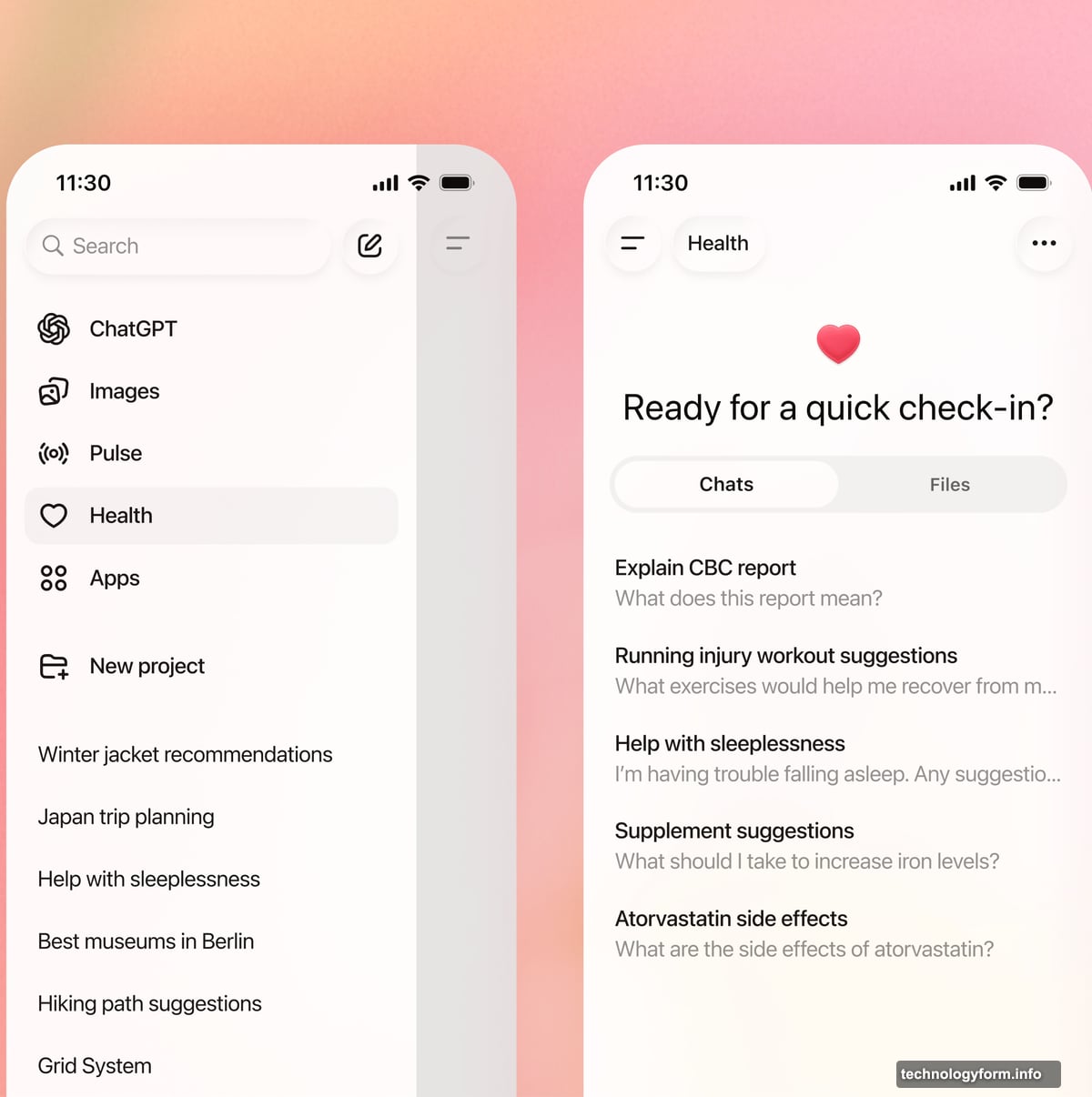
ChatGPT Health is here. It’s a dedicated space inside ChatGPT where you can upload medical records, connect fitness apps, and ask health questions. OpenAI promises enhanced privacy and personalized answers. But there’s a catch nobody’s talking about loud enough.
What ChatGPT Health Actually Does
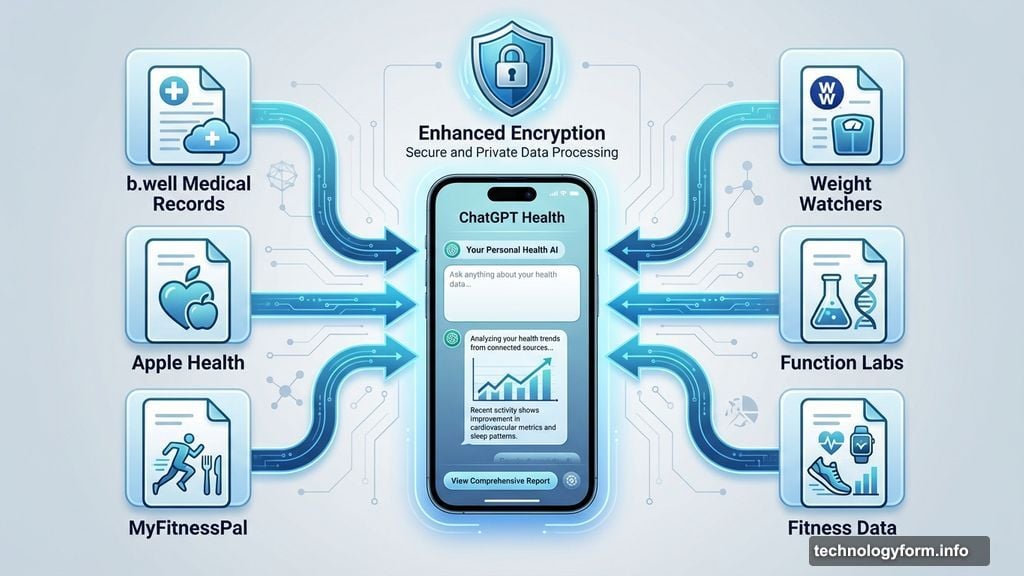
Think of it as a walled-off section of ChatGPT. Separate chat history. Different memory settings. Enhanced encryption layers.
OpenAI wants you to connect everything. Medical records through b.well, which works with 2.2 million healthcare providers. Fitness data from Apple Health. Diet tracking from MyFitnessPal and Weight Watchers. Lab results from Function.
The pitch? Get personalized health insights. Understand test results before your doctor appointment. Make smarter decisions about diet and exercise.
Sounds helpful. And for some people, it might be. But the devil lives in the details here.
The Security Question Nobody’s Answering Clearly
OpenAI says conversations in ChatGPT Health won’t train their AI models. They’ve added “purpose-built encryption.” Multiple security layers protect your data.
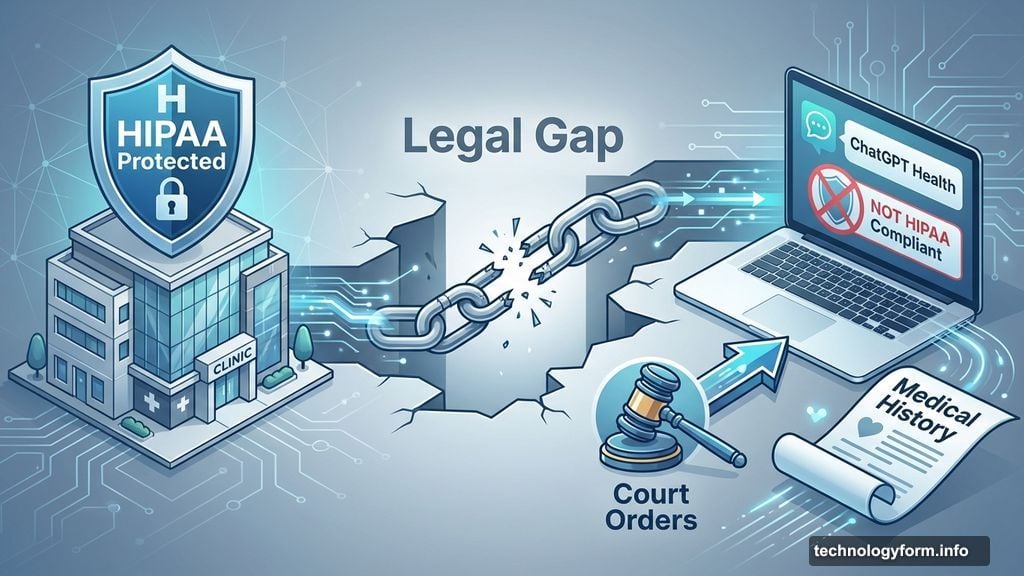
But here’s what they didn’t mention prominently enough. This isn’t end-to-end encrypted. Court orders can still pry open your medical history. Emergency situations too, apparently.
Remember March 2023? OpenAI had a security breach that exposed chat titles, email addresses, and payment info from other users. That wasn’t even medical data. Now they’re asking for something far more sensitive.
Plus, HIPAA doesn’t apply here. OpenAI’s head of health admitted that during a press briefing. Consumer health products fall outside those protections. So your data has fewer legal safeguards than records your doctor keeps.
Seven Out of Ten Health Chats Happen After Hours
OpenAI dropped an interesting statistic. Around 230 million people worldwide already ask ChatGPT health questions weekly. And 70 percent of those conversations happen outside normal clinic hours.
That reveals something important. People turn to AI when doctors aren’t available. Rural communities send nearly 600,000 healthcare messages weekly, on average.
So there’s clearly demand. But demand doesn’t equal safety.
The Glue on Pizza Problem Still Exists
Google’s AI Overview told people to put glue on pizza. Multiple investigations found dangerous health advice from AI systems. False guidance on liver tests. Bad cancer screening recommendations. Terrible diet advice for pancreatic cancer patients.
OpenAI worked with 260 physicians who provided 600,000 feedback instances across 30 focus areas. That sounds impressive. But it doesn’t prevent every dangerous response.
Remember the man hospitalized after ChatGPT allegedly suggested replacing salt with sodium bromide? That’s an 18th-century medical condition. In 2024.
OpenAI includes a disclaimer that ChatGPT Health “is not intended for diagnosis or treatment.” But disclaimers don’t stop desperate people from following bad advice.
Mental Health Gets the Vague Treatment
Notice what OpenAI barely mentioned? Mental health.
Multiple cases exist of people dying by suicide after confiding in ChatGPT. The company’s CEO of applications, Fidji Simo, gave a carefully worded response when reporters asked about mental health features.
She said users can customize instructions “to avoid mentioning sensitive topics.” That’s corporate speak for “we’re not really prepared for this.”
ChatGPT Health will summarize mental health visits. It’ll offer advice in that realm. But there’s no clear evidence they’ve solved the fundamental problems that led to tragedies before.
Health Anxiety Could Spiral Fast
Here’s something OpenAI didn’t adequately address. What about hypochondria?
Simo claimed they’ve tuned the model to be “informative without ever being alarmist.” But anyone who’s googled medical symptoms at 2 AM knows how fast health anxiety spirals.
AI that analyzes your lab results, fitness data, and medical history could make that worse. Especially for people prone to catastrophic thinking about health issues.
The company says if “there is action to be taken we direct to the healthcare system.” But by then, someone might have spent hours spiraling in the Health chat.
The Bigger Picture Nobody’s Discussing
OpenAI is encouraging millions to create comprehensive digital health profiles. All stored in systems that aren’t HIPAA-compliant. Protected by encryption that isn’t end-to-end. Vulnerable to court orders and “emergency situations.”
What happens when that data gets breached? Who’s liable when AI gives dangerous advice that someone follows?
These aren’t hypothetical concerns. They’re inevitable problems in a system this complex serving this many people.
Who This Might Actually Help
To be fair, ChatGPT Health could serve some people well. Remote communities with limited healthcare access. People who need help understanding complex medical jargon. Someone preparing questions before a doctor visit.
But the risks feel bigger than the benefits right now. Especially given AI’s track record with health advice.
What You Should Do Instead
Need to understand medical results? Ask your actual doctor. Most healthcare systems now offer patient portals where you can message providers directly.
Want diet and fitness guidance? Work with a registered dietitian or certified personal trainer. Humans with actual credentials who understand your full context.
Looking for mental health support? See a licensed therapist. Or call a crisis hotline staffed by trained counselors.
Technology should supplement healthcare. Not replace it. And definitely not serve as your primary source of medical guidance.
ChatGPT Health might evolve into something genuinely useful. But right now, it feels like a beta test with millions of human guinea pigs. And your medical data as the experiment.