Instagram’s Password Reset Email Mess Finally Fixed
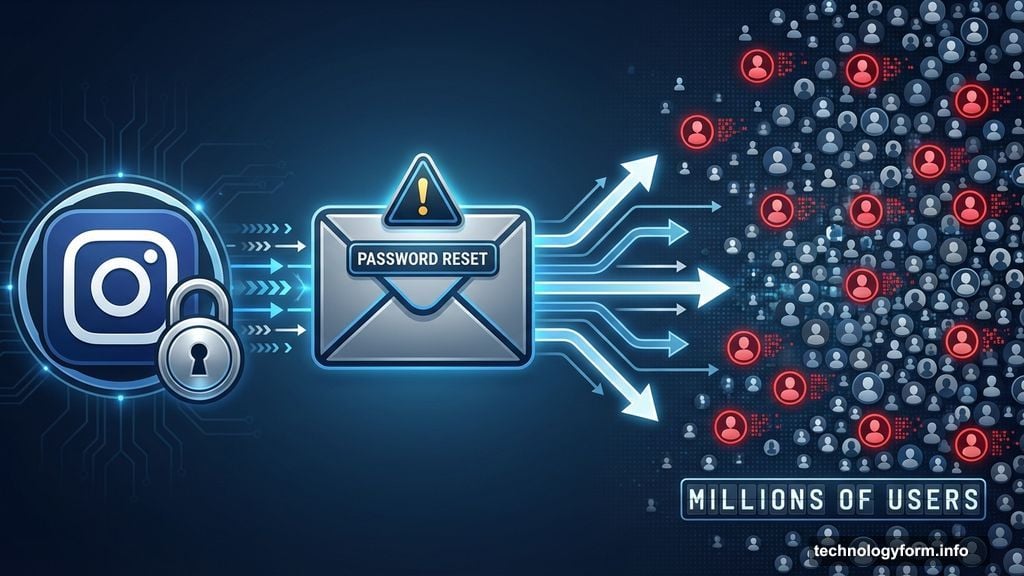
Instagram users got a nasty surprise this week. Millions of password reset emails hit inboxes without warning. Nobody requested them. Nobody knew what caused them.
Now Instagram says the problem’s resolved. But the company’s explanation raises more questions than it answers.
What Actually Happened
Instagram blamed an “external party” for triggering the mass email wave. That’s the entire explanation from Meta. No details about who this external party was. No clarity on how they accessed Instagram’s systems to send emails at this scale.
The company posted on X that everything’s fixed now. Plus, they insisted no breach occurred on their end. Users can safely ignore those reset emails.
However, that claim doesn’t quite line up with other reports. Malwarebytes discovered something concerning. Around 17.5 million Instagram accounts appeared on dark web marketplaces. The data included usernames, physical addresses, phone numbers, and email addresses.
So how did an external party send millions of legitimate-looking password reset emails without breaching Instagram’s systems? Meta hasn’t explained that contradiction yet.
The Security Questions Nobody’s Answering
Instagram’s statement feels incomplete. Several crucial questions remain unanswered.
First, how did this external party trigger the password reset system? Instagram’s infrastructure should require authentication to send these emails. If someone bypassed that security, that’s a breach regardless of what Meta calls it.
Second, what’s the connection to the leaked account data? The timing seems suspicious. Millions of accounts appear on the dark web right before millions of users receive unexpected password reset emails.
Third, what actually got fixed? Instagram says they resolved the issue. But without knowing what broke, users can’t assess if their accounts remain secure.
What This Means for Your Account
The good news? Instagram says you can ignore those password reset emails. Your account password didn’t change unless you clicked through and created a new one.
The bad news? If your account information sits on the dark web, ignoring emails won’t protect you. That data could fuel phishing attacks, identity theft, or account takeovers down the line.
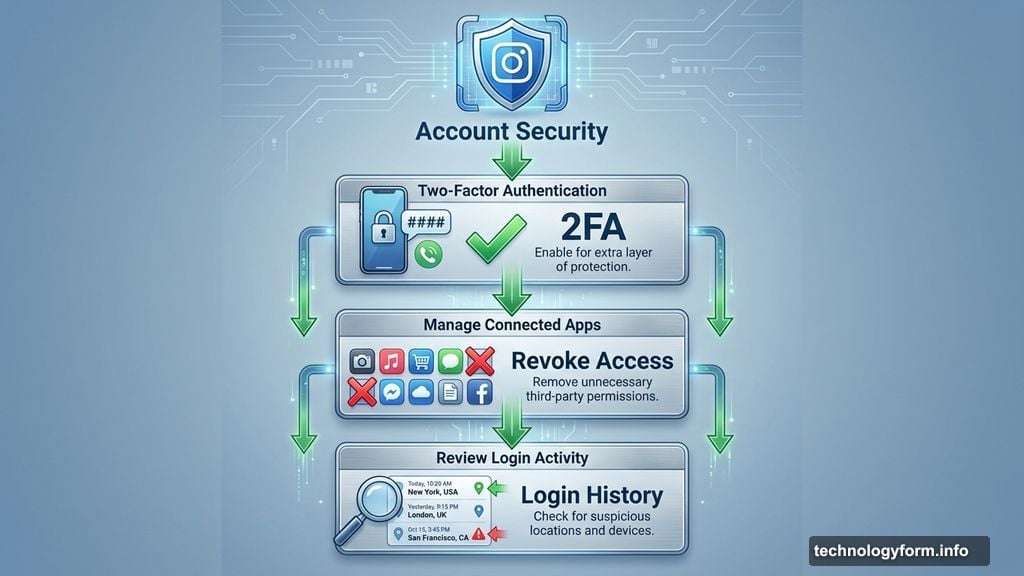
Here’s what you should do right now. First, enable two-factor authentication on your Instagram account if you haven’t already. That adds a crucial security layer even if someone has your password.
Second, review your account’s connected apps and revoke access to anything you don’t recognize. Sometimes attackers gain entry through third-party apps rather than direct password breaches.
Third, watch for suspicious activity. Check your login history in Instagram’s settings. Look for unfamiliar locations or devices. Change your password if anything seems off.
The Larger Pattern
This incident fits a troubling trend. Social media companies downplay security issues while users scramble to protect themselves. Meta called this a technical glitch caused by an external party. Yet 17.5 million account records allegedly leaked at the same time.
Instagram has 2 billion monthly users. That leaked data represents less than 1% of the user base. Still, 17.5 million people now face potential security risks through no fault of their own.
Moreover, Meta’s vague explanations don’t inspire confidence. Users deserve clear answers about what happened, how it happened, and what the company did to prevent future incidents. “We fixed it, don’t worry” isn’t good enough when personal data might be compromised.
The Real Cost of Opacity
Here’s what frustrates me most. Companies treat security incidents like PR problems instead of user safety issues. The priority becomes damage control rather than transparency.
Users can’t make informed decisions without accurate information. Should you change your password? Should you assume your data leaked? Should you trust Instagram’s security going forward? Nobody knows because Meta won’t provide details.
This opacity benefits the company, not users. It minimizes bad press while leaving millions of people uncertain about their account security. That’s backwards. When something goes wrong, the company owes users a full explanation and clear guidance.
Instagram fixed whatever caused those password reset emails. Great. But until Meta explains what actually happened and how they’re preventing it from happening again, users are left guessing about their security.
That’s not acceptable for a platform holding personal information on 2 billion people.