OpenAI’s Ad Push in ChatGPT Sparks Concern From Google DeepMind CEO
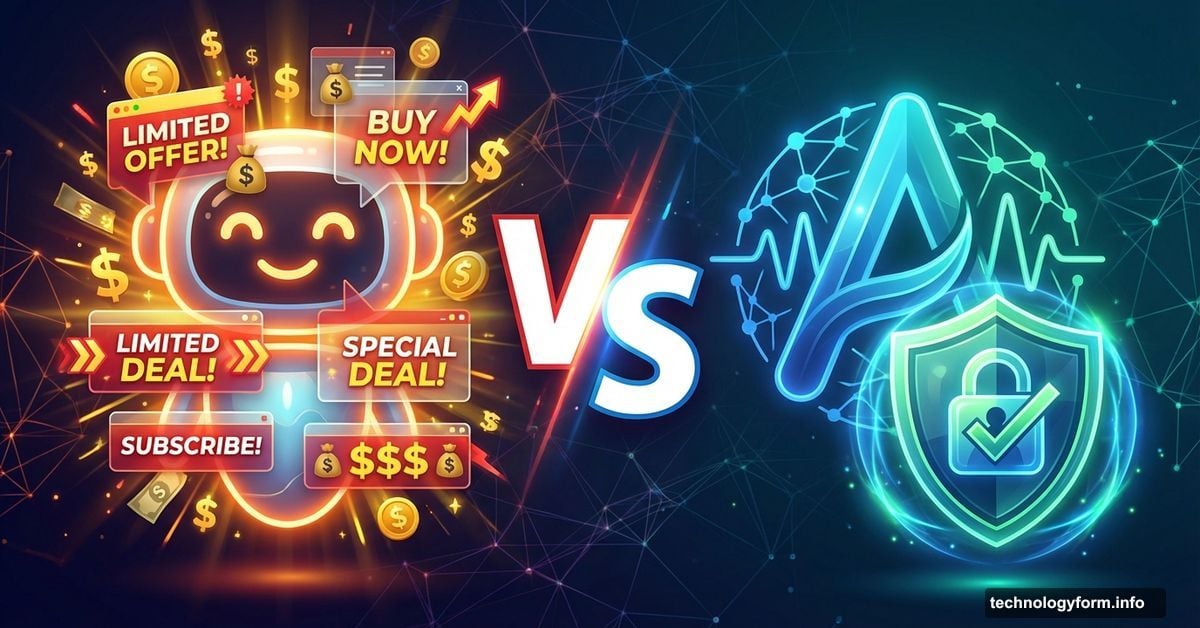
OpenAI just announced ads in ChatGPT. Google DeepMind’s CEO thinks that’s a mistake.
Demis Hassabis made waves at Davos this week when he questioned OpenAI’s rush to monetize its chatbot through advertising. His comments highlight a growing tension in AI: how do you make money without destroying user trust?
The Surprise Move That Caught Google Off Guard
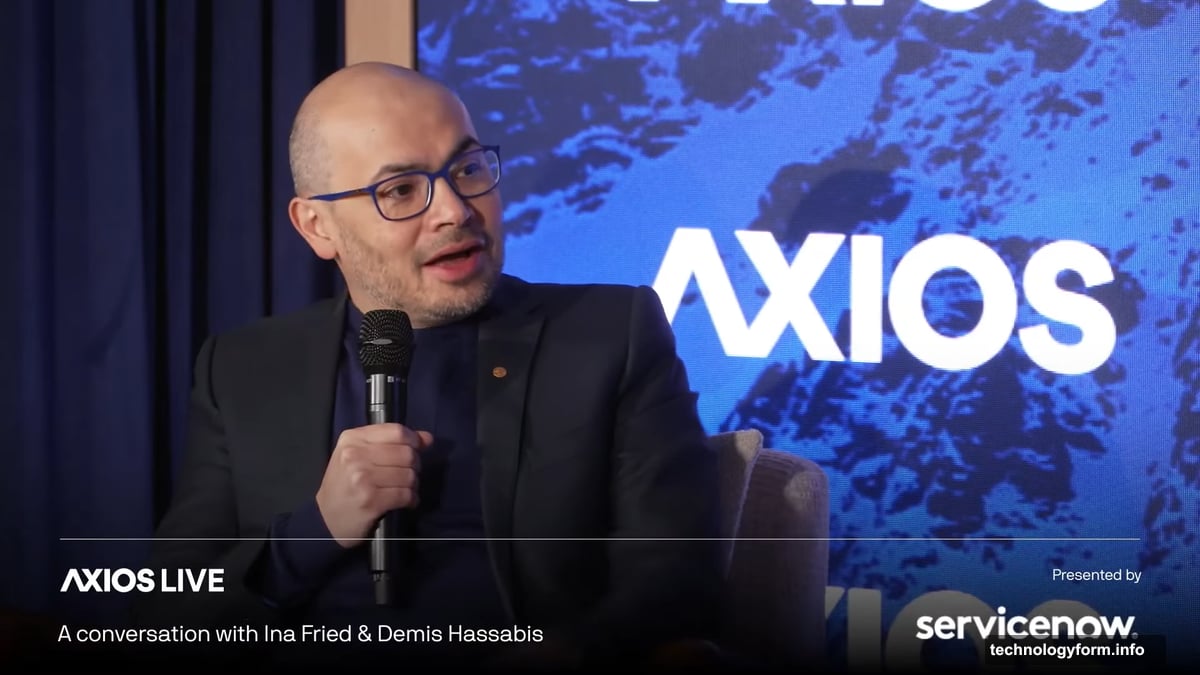
Hassabis didn’t mince words during his Axios interview. He admitted feeling “surprised” that OpenAI moved so quickly to test ads in ChatGPT.
Why the shock? OpenAI serves 800 million weekly active users. Most don’t pay for subscriptions. So ads seem like an obvious revenue play. But Hassabis sees deeper problems with that approach.
“Ads funded much of the consumer internet,” he acknowledged. “And if done well, they can be useful.” Then came the caveat that matters.
Assistants Need Trust, Not Sales Pitches
Chatbots aren’t search engines. That’s the core of Hassabis’s argument.
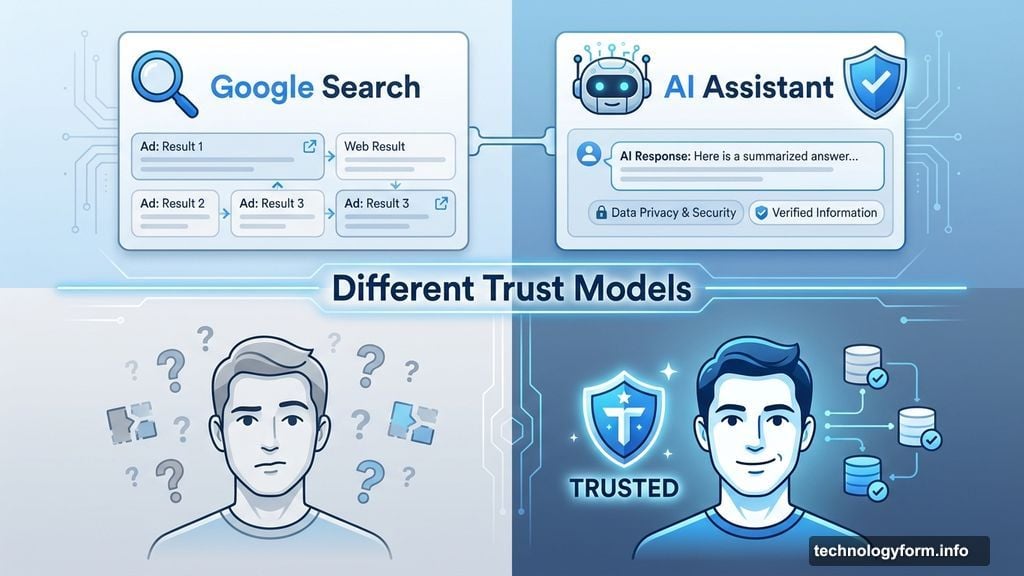
Google Search already knows your intent when you type a query. So relevant ads make sense in that context. Plus, users expect commercial results alongside organic ones.
Chatbots work differently. They’re becoming personal assistants that learn about you over time. They help with tasks. They remember your preferences. They’re meant to work for you.
“You want to have trust in your assistant,” Hassabis explained. “So how does that work?” when ads enter the picture.
Indeed, the trust equation changes when your AI helper starts recommending products. Users wonder: is this suggestion genuinely helpful, or is someone paying to influence my assistant?
Users Already Rejected ChatGPT’s “Not-Ads”
We’ve seen this movie before. It ended badly.
Last month, OpenAI tested a feature that suggested apps during conversations. Users immediately called foul. The suggestions felt intrusive and sales-driven.
OpenAI quickly disabled the feature. They insisted these weren’t ads because “no financial component” existed. But users didn’t care about technicalities.
The suggestions degraded their experience. That’s what mattered. Plus, whether money changed hands missed the point entirely.
People want assistants, not personal shoppers constantly pushing products. Amazon learned this lesson with Alexa. Early attempts to inject commercial recommendations failed spectacularly.
Google Takes the Careful Route
Hassabis made clear that Google isn’t rushing into AI advertising. “We don’t have any current plans” to add ads to Gemini, he stated.
Instead, Google’s watching how users respond to OpenAI’s experiment. Meanwhile, they’re focusing on making Gemini more useful through personalization.
Google just launched features that let Gemini tap into your Gmail and Photos for better responses. These tools create value without pushing products. They make the assistant genuinely helpful.
Hassabis emphasized that Google isn’t feeling pressure to “make knee-jerk decisions” about monetization. That’s notable, considering how central advertising is to Google’s business model.
“That’s been the history of what we’ve done at DeepMind,” he noted. “Be very scientific, and rigorous, and thoughtful about each step that we take.”
The Real Costs Behind OpenAI’s Decision
Why did OpenAI move so fast on ads? Follow the money.
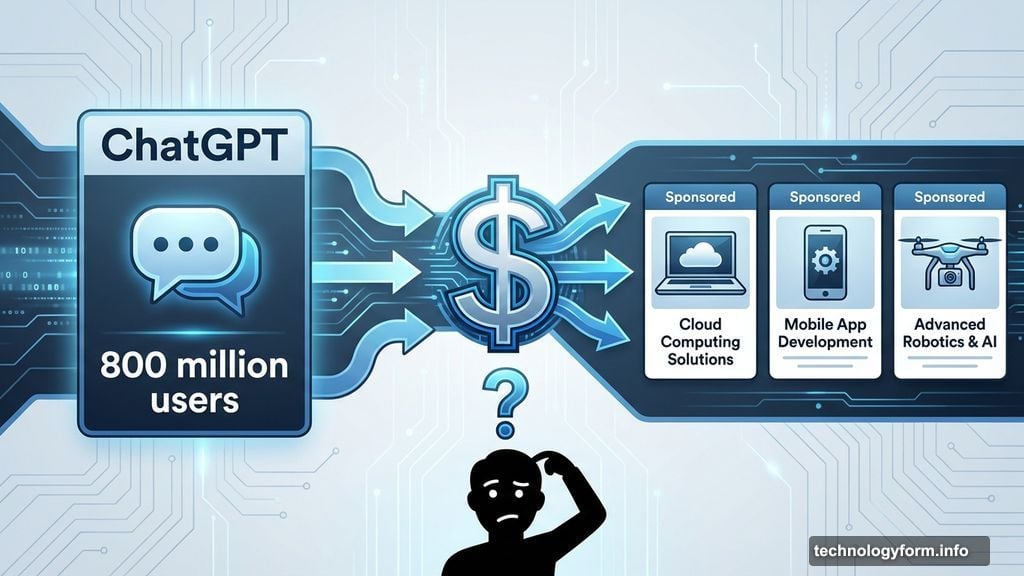
AI infrastructure costs real money. Training models requires massive compute resources. Serving 800 million weekly users burns through energy and servers. Those bills add up quickly.
OpenAI needs revenue beyond paid subscriptions. Ads offer a proven path. But proven doesn’t mean right for this use case.
The company faces a tough choice. Slow revenue growth while maintaining user trust, or accelerate monetization and risk backlash. They chose speed.
What This Means for AI Assistants
Hassabis raised a question that every AI company must answer: how do ads fit when users expect personalized help?
Search works with ads because users understand the deal. You get free search. Google shows relevant commercial results. Everyone knows the model.
AI assistants promise something different. They’re supposed to know you. Help you. Work on your behalf. That relationship assumes the assistant serves your interests, not advertisers’.
So what happens when those interests conflict? When your assistant recommends a product because it’s paid to do so instead of genuinely being best for you?
Trust breaks. Users leave. The assistant becomes just another marketing channel.
The Bigger Battle Ahead
This isn’t really about ads in ChatGPT. It’s about the future of AI assistants.
Companies are rushing to build AI that knows everything about you. That helps with your daily tasks. That becomes indispensable to your digital life.
But someone has to pay for all that. Subscriptions work for some users. Ads work for others. The question is: can you do ads without destroying what makes assistants valuable?
Hassabis thinks the answer requires careful thought. Not quick decisions driven by revenue pressure. Plus, he suggested there might be a right way to do AI advertising eventually.
But rushing in now? That’s the mistake he sees OpenAI making.
Google’s taking a different path. They’re betting that better personalization and usefulness will eventually lead to sustainable revenue. Whether through subscriptions, enterprise licensing, or some model we haven’t seen yet.
Meanwhile, OpenAI’s testing whether users will tolerate ads in exchange for free access. We’ll find out soon which approach wins.
One thing’s certain: how AI companies handle monetization will shape whether these assistants become trusted tools or just another way to sell us stuff.