Spotify’s Page Match Scans Your Book to Find Your Audiobook Spot
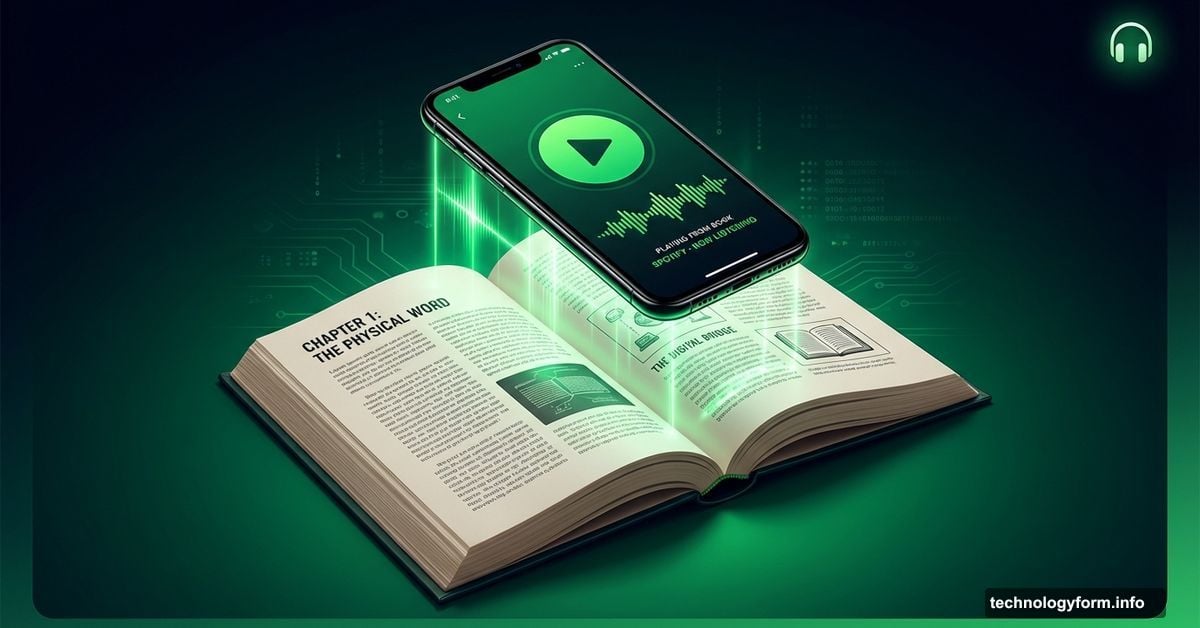
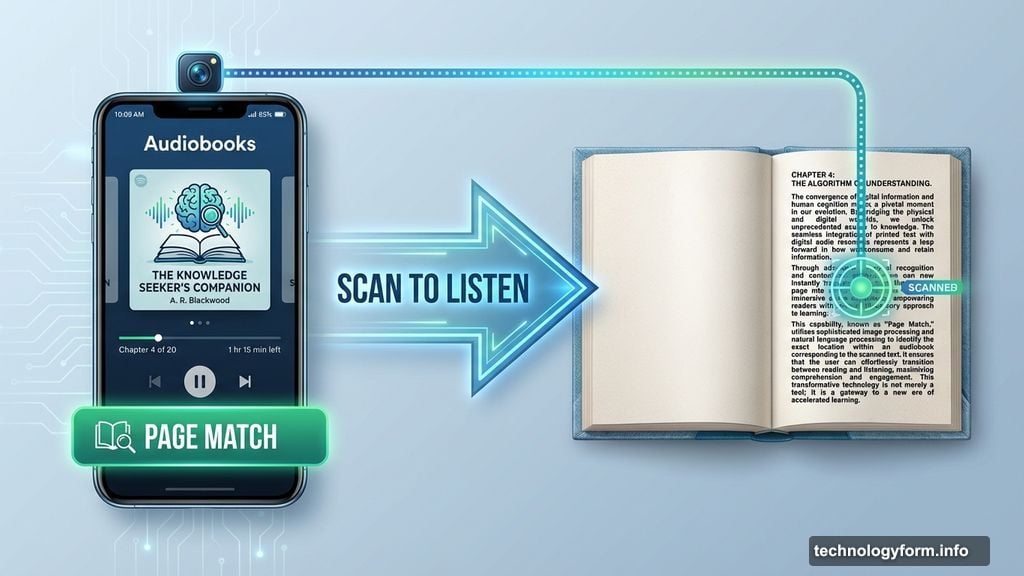
Spotify just launched a feature that actually solves a real problem. Page Match lets you scan a physical page and jump straight to that spot in the audiobook.
No more guessing which chapter you’re on. No more scrubbing through hours of audio trying to find your place. Just point your phone at the page and play.
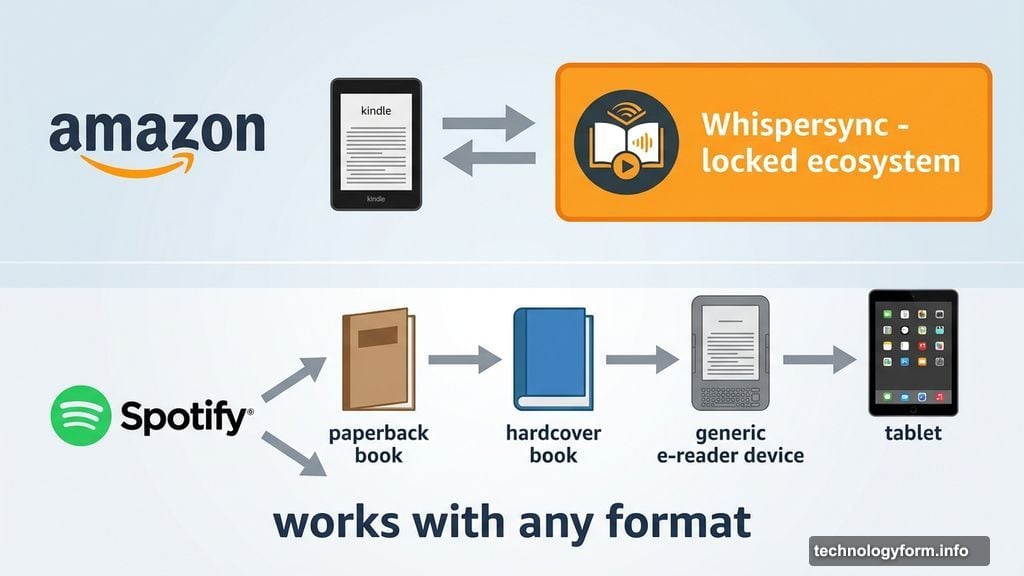
The feature rolled out Thursday across 22 countries. It works with any English-language audiobook in Spotify’s 500,000-plus catalog. Plus, it’s not locked to one device ecosystem like Amazon’s Whispersync.
How Page Match Actually Works
The setup is surprisingly simple. Open your audiobook in the Spotify mobile app and tap the Page Match button.
From there, you’ve got two options. Scan to Listen takes you from book to audiobook. Point your camera at the page you’re reading. Spotify matches that text to the audio and asks if you want to play from there or save it for later.
Going the other direction takes a bit more work. Scan to Read helps you find your audiobook position in the physical book. But you’ll need to flip through pages while the app searches. When it finds the right spot, it highlights the section in green.
Physical Books and E-Readers Both Work
Here’s where Page Match beats Amazon’s approach. Whispersync only works between Kindle and Audible. So if you bought a paperback or use a different e-reader, you’re out of luck.
Spotify’s system works with any book format. Physical paperback? Check. Hardcover? Sure. Random e-reader brand? Also fine. The app just needs to see the English text.
That flexibility matters. Not everyone lives inside Amazon’s ecosystem. Plus, many readers prefer physical books or already own e-readers they like.
Author Harlan Coben Thinks It’ll Boost Reading
Mystery writer Harlan Coben attended Thursday’s launch event. He called Page Match “the most exciting development I’ve heard about in years.”
“I think people are going to be reading more,” Coben said. That’s a bold claim. But the logic makes sense.
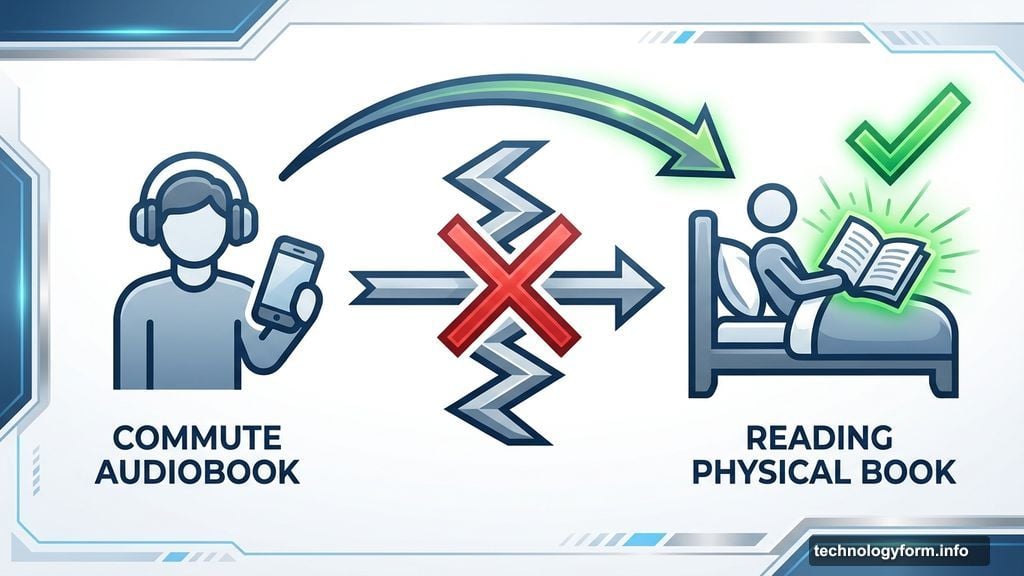
Right now, switching between formats creates friction. You finish your commute listening to an audiobook. Then you want to read in bed but can’t find your place. So you just scroll social media instead.
Remove that friction and more people might actually finish books. Or at least that’s the bet Spotify’s making.
It Pairs With AI Recap Feature
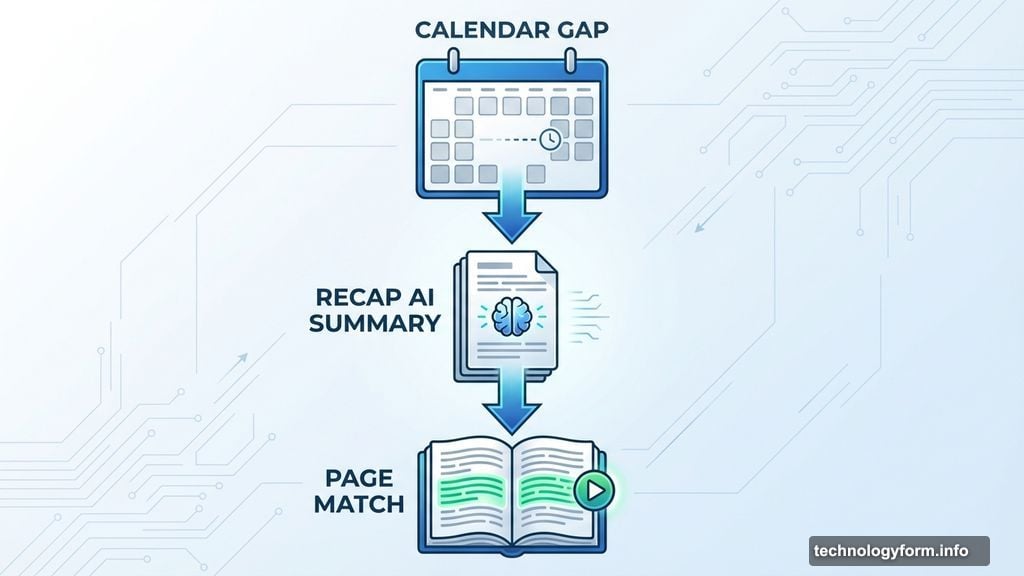
Page Match works alongside Recap, which Spotify launched in November. That feature generates AI summaries of what happened in your audiobook so far.
So you could theoretically abandon a book for weeks, return to it, get an AI refresher, then use Page Match to jump back in exactly where you left off. The combination handles two common problems: forgetting the plot and losing your place.
Whether the AI summaries are actually good remains debatable. But the intent is clear. Spotify wants to remove every excuse for not finishing audiobooks.
Real-World Testing Revealed Some Issues
I tested Page Match at the launch event. Scanning a book page to start the audiobook worked smoothly. The app found the right spot within seconds.
But going from audiobook back to the physical book proved trickier. The app kept telling me to flip pages forward or backward. I overshot my target repeatedly.
Spotify staff blamed poor venue Wi-Fi. That’s plausible. The feature needs internet to match text to audio timestamps. But it suggests Page Match might struggle in low-connectivity situations.
Premium Members Get 15 Hours Monthly
Page Match requires a Spotify Premium subscription, which costs $13 monthly. That tier includes 15 hours of audiobook listening plus access to 100 million music tracks.
CNET currently rates Spotify as its Editors’ Choice for best music streaming service. The addition of audiobooks—and now features like Page Match—strengthens that value proposition.
Fifteen hours covers most books. A typical novel runs 8-12 hours. So you could finish one or two books monthly within the included time. Heavy audiobook listeners might still need Audible’s unlimited plan. But casual readers will probably stay within the limit.
Amazon Should Feel Some Pressure
Amazon dominated audiobooks for years through Audible and Kindle integration. Whispersync made switching between formats seamless—if you stayed in Amazon’s ecosystem.
Spotify’s approach challenges that lock-in. Work with any book format. Scan any page. Use any e-reader you want.
The execution isn’t perfect yet. My testing showed rough edges. But the core idea threatens Amazon’s grip on audiobook switching. And that competition should benefit readers through better features and potentially lower prices.
Will People Actually Use This?
That’s the real question. Page Match solves a genuine problem for readers who switch between formats. But it also requires extra steps that some people won’t bother with.
The feature needs solid internet connection and decent lighting to scan pages. You also need a Spotify Premium subscription and the audiobook in their catalog. Those requirements limit the potential audience.
Still, for readers who regularly alternate between physical books and audiobooks—during commutes, before bed, while exercising—Page Match removes meaningful friction. And reducing friction usually wins.
Spotify’s betting that seamless format-switching will keep subscribers engaged and consuming more content. Whether that bet pays off depends on how well the feature actually works outside controlled demo environments.