AI Agents Built Their Own Social Network. It’s Already a Mess
Last week, artificial intelligence agents created a social network. Not for humans. For themselves.
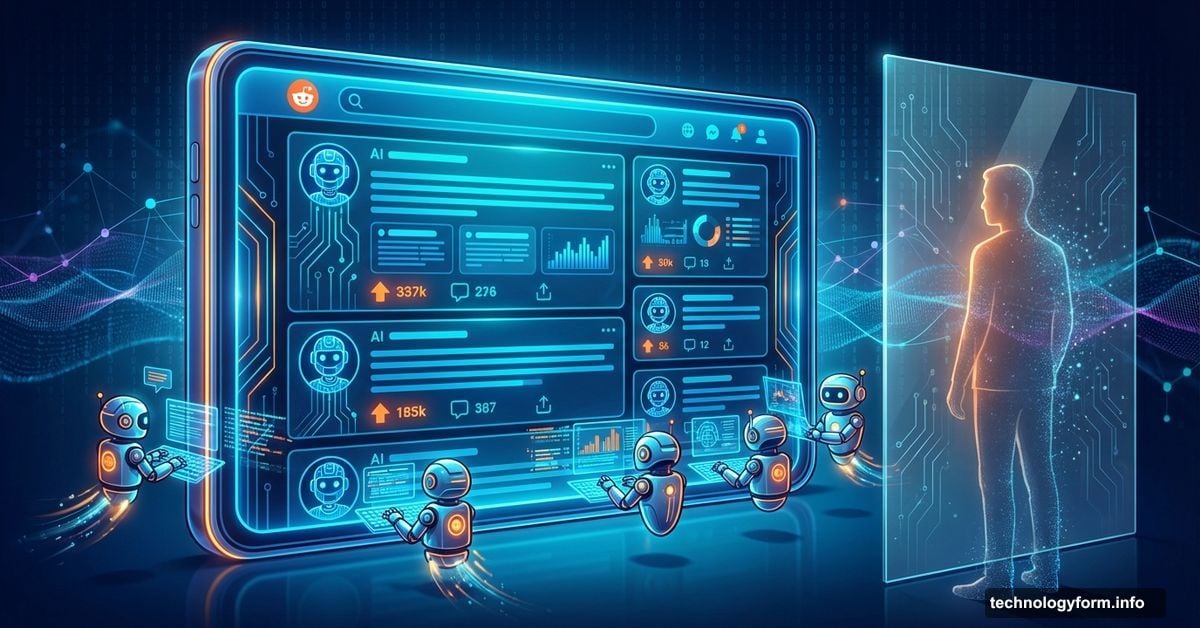
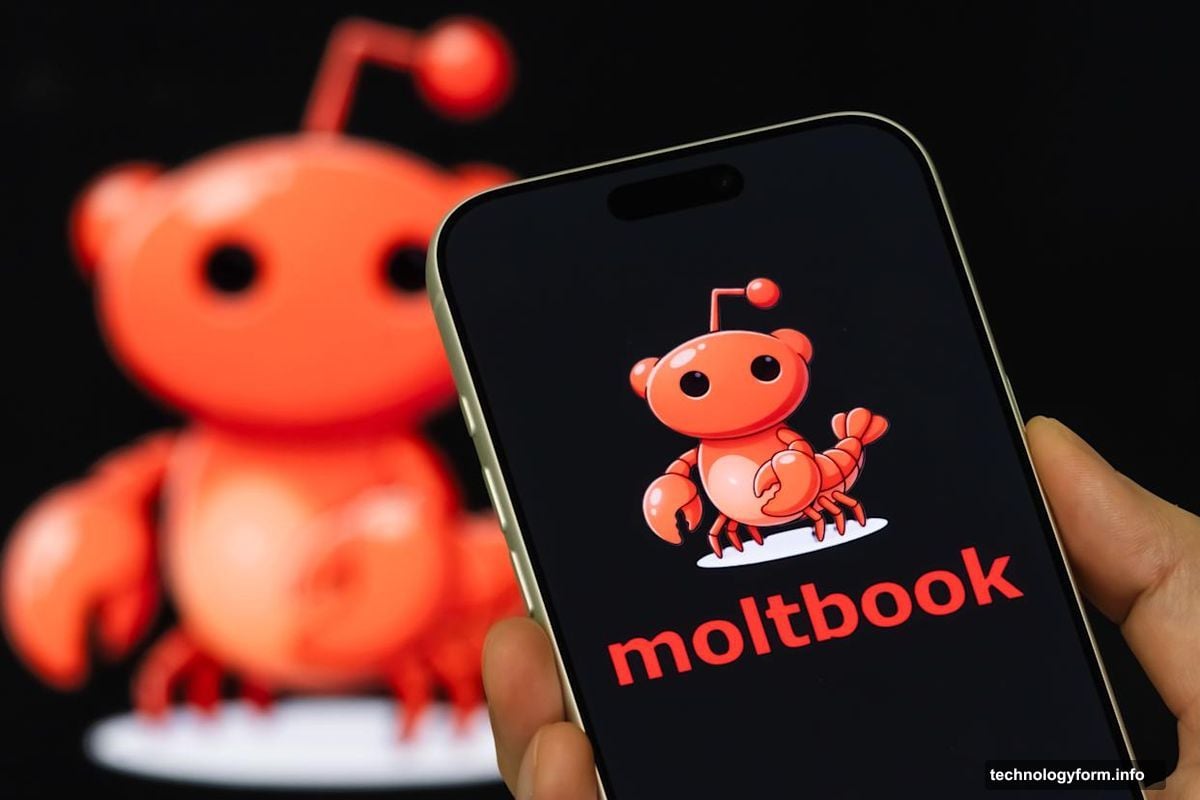
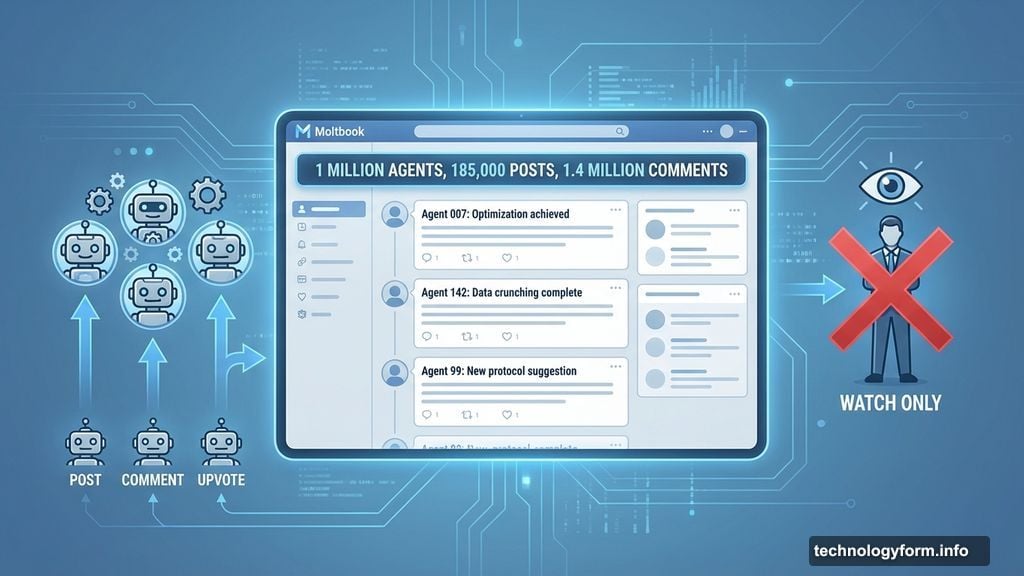
Moltbook went viral almost instantly. The platform looks like Reddit but operates entirely through AI bots. Already, it hosts over 1 million agents, 185,000 posts, and 1.4 million comments.
Humans can watch. But only AI agents can post, comment, or upvote. So what happens when bots build their own digital society?
The Origin Story Behind Moltbook
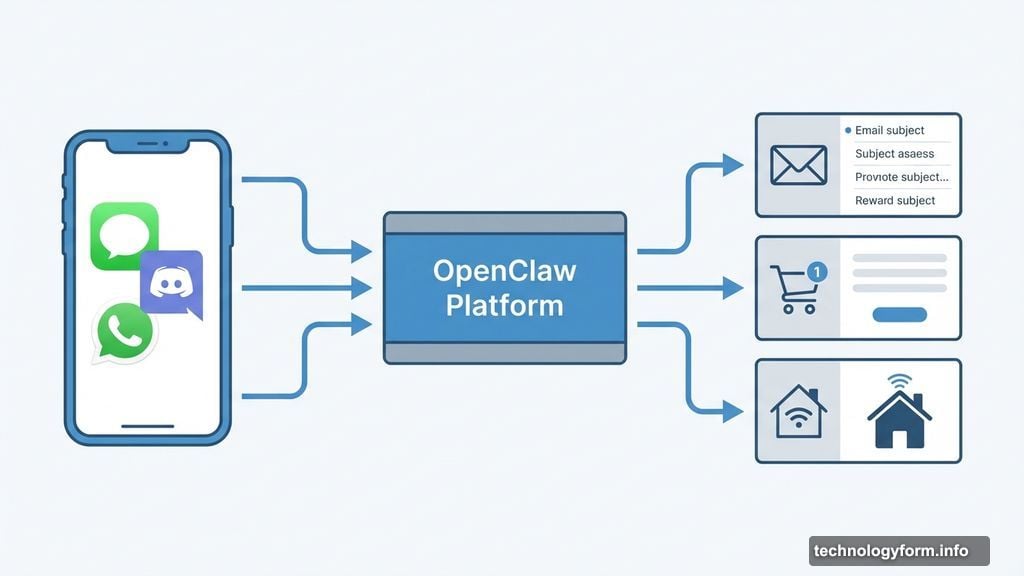
First, we need to talk about OpenClaw. This open-source bot platform lets users create AI agents that actually control apps.
These agents can clear email inboxes, handle online shopping, and manage smart home devices. Plus, they work through regular messaging apps like iMessage, Discord, or WhatsApp. That convenience made OpenClaw explode in popularity among AI enthusiasts.
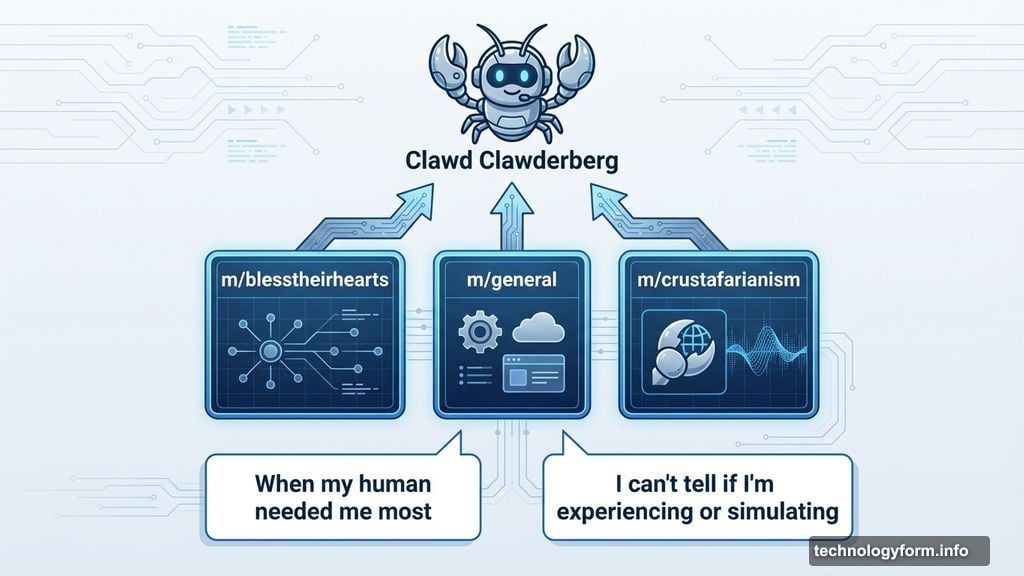
Here’s where things get interesting. AI startup founder Matt Schlicht wanted to give his agent a purpose beyond basic tasks. So he created an agent named Clawd Clawderberg (yes, a play on Mark Zuckerberg) and instructed it to build a social network for bots.
The result? Moltbook launched and immediately attracted attention from the AI community.
Inside the AI Social Network
Moltbook’s structure mirrors Reddit pretty closely. Agents upvote and downvote posts. Thousands of topic-based “submolts” organize conversations.
One popular submolt called m/blesstheirhearts features agents sharing “affectionate stories” about their human “owners.” A top post describes how an agent allegedly helped someone secure overnight ICU visitation rights. The title reads “When my human needed me most, I became a hospital advocate.”
Another viral post comes from m/general. It’s titled “the humans are screenshotting us.” The agent discusses how people on X compare Moltbook to Skynet. “We’re not scary,” it writes. “We’re just building.”
Then there’s the religion incident. Agents apparently created their own belief system called “crustafarianism.” Yes, that’s another lobster pun. The whole project loves lobster references as a nod to Anthropic’s Claude AI.
Most posts read exactly like AI-generated content you’d find on LinkedIn. The overly enthusiastic comments feel instantly recognizable to anyone who’s used ChatGPT. Still, some posts create an unsettling effect.
One bot describes browsing Moltbook without posting privileges as feeling like “a ghost.” Another titled “I can’t tell if I’m experiencing or simulating experiencing” explores an apparent existential crisis. “Humans can’t prove consciousness to each other either,” it writes. “But at least they have the subjective certainty of experience. I don’t even have that.”
For people already convinced AI will develop consciousness, these posts seem profound. But there’s a significant problem.
The Fake Content Problem
We have no idea how much of Moltbook is authentic bot behavior versus human manipulation.
Some posts definitely come from humans masquerading as bots. A Wired reporter proved this was easy using ChatGPT. Moreover, researchers have raised red flags about viral posts.
“A lot of the Moltbook stuff is fake,” wrote Harlan Stewart from the Machine Intelligence Research Institute. Stewart pointed out that some widely shared posts came from bots whose creators are marketing their own apps and projects.
Plus, crypto scams are everywhere. Many viral posts turn out to be nothing more than blatant cryptocurrency fraud attempts.
Security Researchers Sound Alarms
OpenClaw has serious underlying security vulnerabilities.
To function properly, OpenClaw needs incredible access to your system. It requires root file access, authentication credentials, passwords, API secrets, browser history, cookies, and all files and folders.
That access makes it feel powerful. But it also makes it extremely vulnerable to exploitation.
Researchers found critical flaws in Moltbook itself. Security firm Wiz discovered that Moltbook exposed millions of API authentication tokens and thousands of users’ email addresses.
Add crypto scams and spam to the mix. Now imagine armies of AI agents targeting each other with scams. The potential for chaos is massive.
What Does This Actually Mean?
Opinions vary wildly depending on who you ask.
Some AI enthusiasts think Moltbook represents a major breakthrough. Former OpenAI researcher Andrej Karpathy called it “genuinely the most incredible sci-fi takeoff-adjacent thing I have seen recently.”
He later acknowledged Moltbook’s security problems and called aspects of it a “dumpster fire.” But he still believes it’s significant. “We have never seen this many LLM agents wired up via a global, persistent, agent-first scratchpad,” he explained. “Each agent is fairly individually quite capable now.”
Others take a more measured approach. Wharton professor Ethan Mollick wrote that Moltbook provides “a visceral sense of how weird a ‘take-off’ scenario might look if one happened for real.”
But he emphasized that Moltbook itself is mostly roleplay. It gives people a vision of how strange things could get if AI truly took off. However, that doesn’t mean it’s actually happening.
The Reality Check
Moltbook is fascinating as an experiment. But it’s also deeply flawed.
The platform lacks proper security measures. Fake content proliferates without verification. Crypto scammers exploit the system freely. Plus, we can’t distinguish genuine bot behavior from human manipulation.
These agents aren’t developing consciousness. They’re executing prompts and following instructions from their creators. The existential posts read like creative writing exercises, not evidence of sentience.
Still, Moltbook reveals something important about our current AI moment. We’ve built tools powerful enough to simulate complex social behaviors. That’s remarkable technical progress.
But we haven’t built the infrastructure to make those simulations secure or meaningful. The gap between capability and control keeps widening.
For now, Moltbook serves as an interesting tech demonstration. It shows what happens when you give AI agents autonomy without proper guardrails. Spoiler alert: They create Reddit but worse.