Elon Musk’s xAI Is Building AI Video Games. Here’s Why That’s Huge
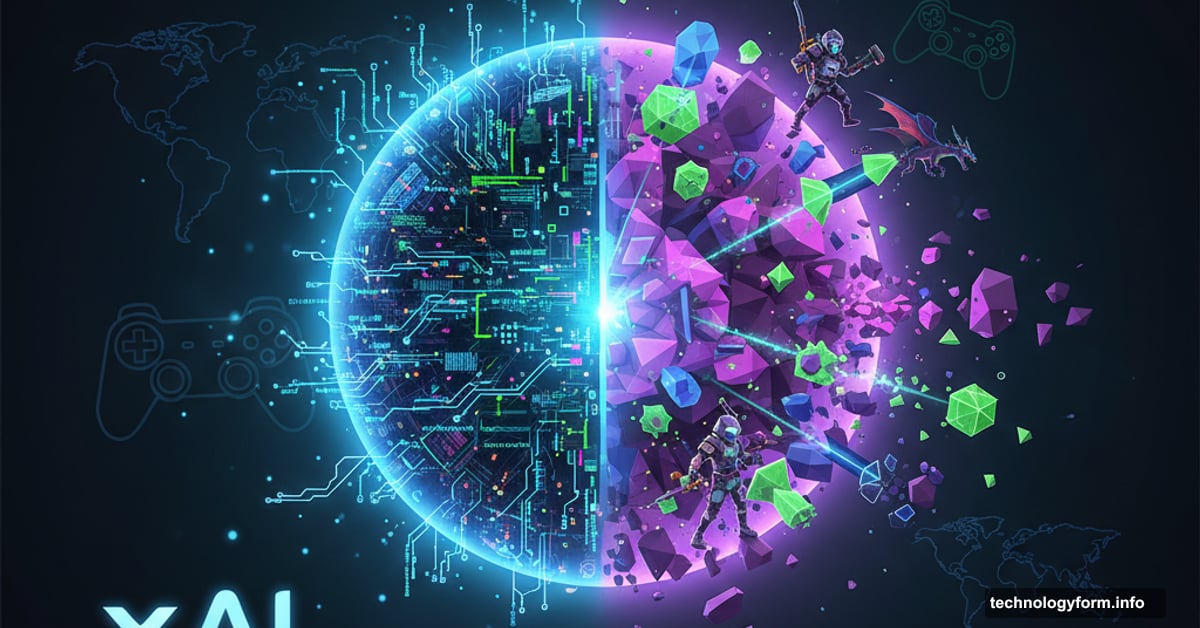
Elon Musk just made his boldest AI move yet. His company xAI is developing world models, AI systems that understand physics and the real world, not just text.
This isn’t another chatbot upgrade. World models could transform gaming, robotics, and how machines interact with reality. Plus, Musk hired top Nvidia researchers to make it happen fast.
So what exactly are world models? And why does this matter more than most AI announcements? Let’s break it down.
What World Models Actually Do
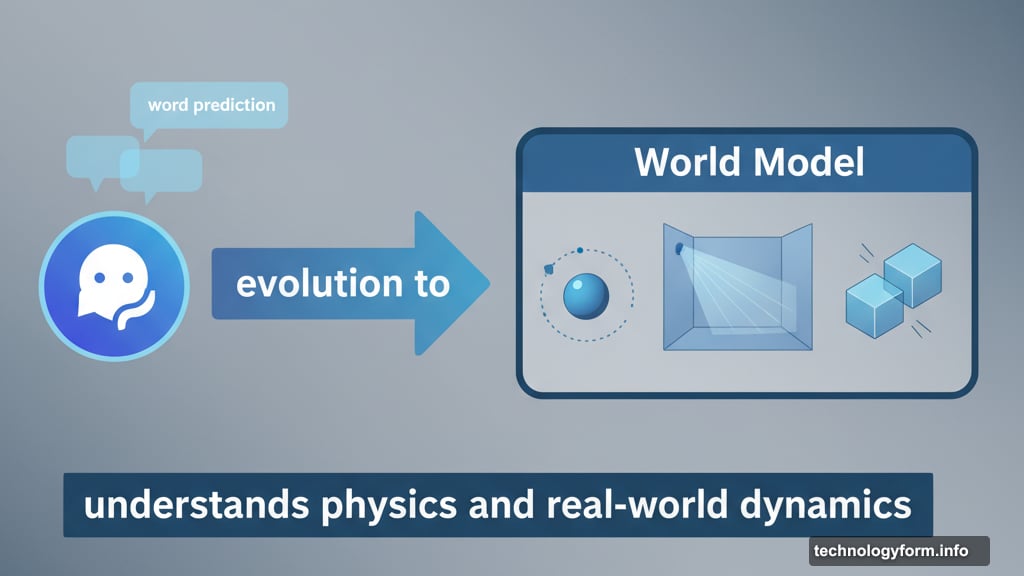
Today’s AI predicts words or generates images. ChatGPT guesses the next word in a sentence. DALL-E creates pictures from descriptions. Both impressive. But neither truly understands the physical world.
AI world models use a fundamentally different training approach compared to traditional language models. Instead of learning from text, these systems train on massive datasets of video footage and robotic sensor data to understand physical world dynamics. They learn how objects behave in three-dimensional space — the physics of a bouncing ball, how natural light interacts with surfaces in a room, and how different objects collide and move together in real environments.
In other words, they give AI physical intuition. That’s a massive leap from current systems that only understand patterns in text or pixels.
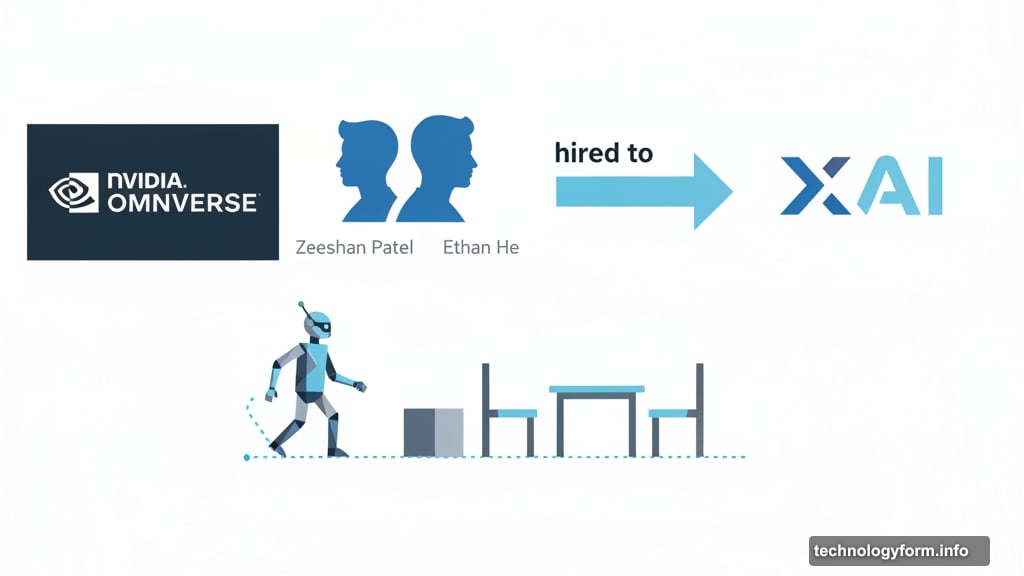
According to the Financial Times, xAI has been quietly hiring Nvidia researchers over the past few months. Two former Nvidia experts, Zeeshan Patel and Ethan He, joined xAI specifically to work on world models. Both bring experience from Nvidia’s Omniverse platform, which simulates realistic digital environments.
Gaming First, Then Everything Else
Two sources familiar with xAI’s plans told the FT that gaming is the first target. The company wants to use world models to generate immersive, dynamic 3D game environments. Not scripted levels. Not pre-made assets. Actual AI-generated worlds that adapt and respond.
Musk confirmed the timeline on X. He said xAI plans to release “a great AI-generated game before the end of next year.” That’s ambitious. But the hiring spree suggests serious progress.
This week, xAI also launched upgraded image and video generation models. Free for users. Plus, the company is recruiting for an “omni team” focused on creating “magical AI experiences beyond text.” Job listings mention images, video, and audio. Salaries range from $180,000 to $440,000 annually.
One listing caught attention: a “video games tutor” role paying $45-$100 per hour. The job? Help train Grok, xAI’s chatbot, in game design. That’s not a typical AI company hire.
Beyond Gaming: Robots and Real Spaces
Gaming is just the beginning. Sources told the FT that the same technology could eventually power robots. Imagine machines that understand how to navigate cluttered rooms, manipulate objects, or even design physical spaces.
That’s the real prize. World models could bridge the gap between AI that thinks and AI that acts. Instead of robots following rigid programming, they could learn from experience and adapt to new environments.
Nvidia believes the potential market for world models could be as large as the entire global economy. Bold claim. But if these systems can accurately simulate reality, applications span robotics, industrial automation, and autonomous vehicles.
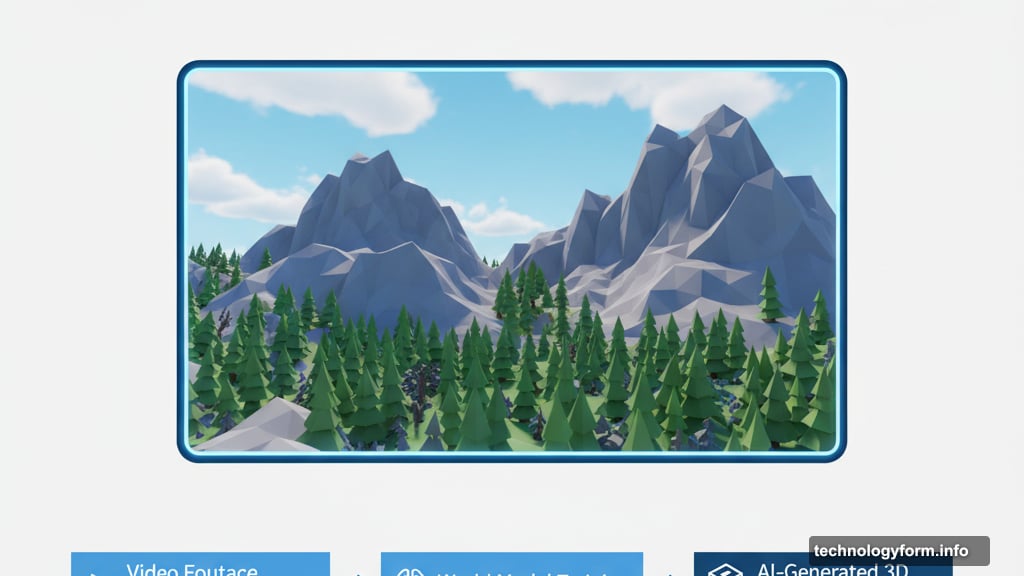
However, the challenge is enormous. Training AI to accurately model the real world requires massive amounts of data and computing power. Plus, physics is complicated. Human behavior even more so. Even the most advanced labs haven’t cracked it yet.
Not Everyone Is Convinced
Industry veterans remain skeptical. Michael Douse, head of publishing at Larian Studios (the team behind Baldur’s Gate 3), shared his thoughts on X.
He argued that AI won’t solve gaming’s “big problem,” which he sees as “leadership and vision.” The industry doesn’t need “more mathematically produced, psychologically trained gameplay loops,” according to Douse. Instead, it needs “more expressions of worlds that folks are engaged with, or want to engage with.”
Fair point. AI can generate content. But can it create compelling narratives? Meaningful player experiences? Emotional connections? Those still require human creativity and vision.
Still, Douse’s critique applies more to AI replacing game developers than AI assisting them. World models could become powerful tools for designers, not replacements. The best outcomes likely involve collaboration between human creativity and AI capability.
The Competition Is Fierce
xAI isn’t alone in this race. Meta and Google are both investing heavily in world models. Meta’s research focuses on teaching AI through video understanding. Google DeepMind explores similar territory with video prediction models.
All three companies see the same opportunity: AI that understands the physical world unlocks entirely new categories of applications. The first company to crack it gains a massive advantage.
Nvidia already has a head start through Omniverse, which developers use to simulate realistic digital worlds. That’s why xAI hired Nvidia researchers. They bring expertise that would take years to develop internally.
Moreover, Nvidia told the Financial Times that world models could become a trillion-dollar market. That’s not hype. If these systems work as promised, they fundamentally change how machines and people interact with reality.
What Happens Next
Musk’s bet on world models marks his boldest AI move yet. If xAI succeeds, these systems could transform gaming, robotics, and countless other industries. Machines would gain a sense of physical reality that current AI completely lacks.
But success is far from guaranteed. The technical challenges are massive. The competition is fierce. And skeptics question whether AI-generated experiences can match human creativity.
Still, Musk has a track record of pushing seemingly impossible projects forward. Tesla, SpaceX, Neuralink—all faced doubters. Not all succeeded as promised. But Musk’s companies consistently push boundaries.
The timeline is aggressive. A playable AI-generated game by late 2026? That’s incredibly ambitious given the complexity involved. Yet xAI is hiring aggressively and investing heavily. The pieces are moving fast.
Whether this becomes a breakthrough or another fascinating failed experiment, one thing is clear: Musk is betting big that AI’s next evolution involves understanding the physical world, not just predicting text. If he’s right, the implications extend far beyond gaming.