The Internet Just Demanded Your ID. Nobody Asked If You Wanted This
Porn sites started it. Social media followed. Now your government wants to see your face before you browse.
Age verification laws swept across the internet faster than anyone predicted. What seemed like a laughable idea in 2019 became mandatory policy by 2025. Plus, the rollout exposed every privacy nightmare critics warned about.
Here’s what happened when governments decided to card the entire internet.
Remember the Porn Pass? That Actually Happened
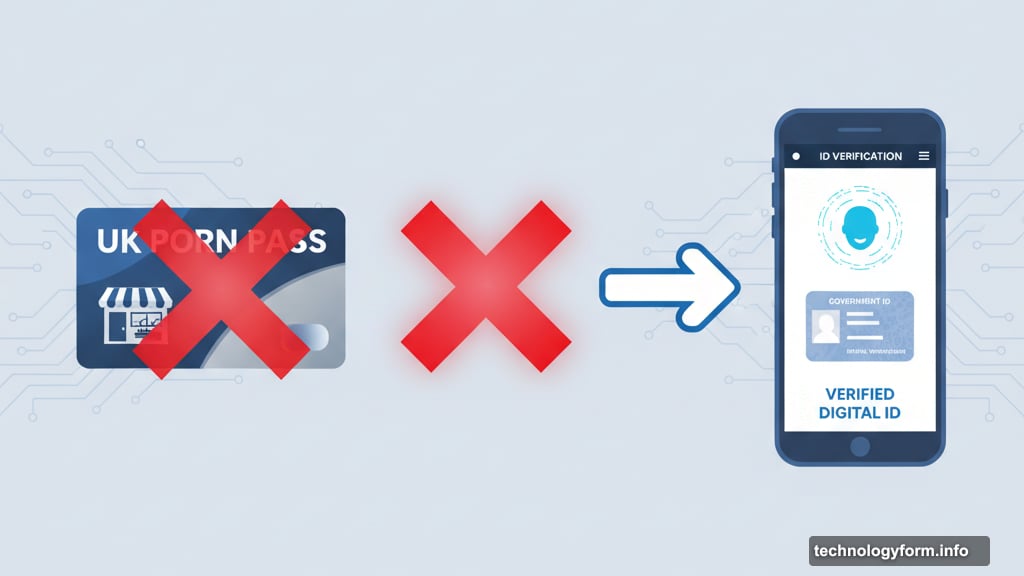
Back in 2018, the UK floated something called a “porn pass.” You’d walk into a corner shop, hand over your ID, and buy a physical card to prove you were over 18 online.
Most people laughed. The idea of getting internet porn the same way you’d rent a DVD seemed absurd. It revealed how awkward balancing age verification with privacy really was.
But governments weren’t joking. They were just getting started.
The UK scrapped that specific plan in 2019. Then something shifted. By 2025, age-gating became standard across multiple countries. The UK’s Online Safety Act now mandates verification on social media, not just porn. The EU and Australia launched similar trials. Even the US Supreme Court overturned decades-old precedent to allow these requirements.
What changed? Simple. People decided the internet was broken and kids needed protection. The question of whether ID checks actually protected anyone got buried under momentum.
The Privacy Disasters Started Immediately
The UK’s Online Safety Act rollout became a case study in what could go wrong. And nearly everything did.
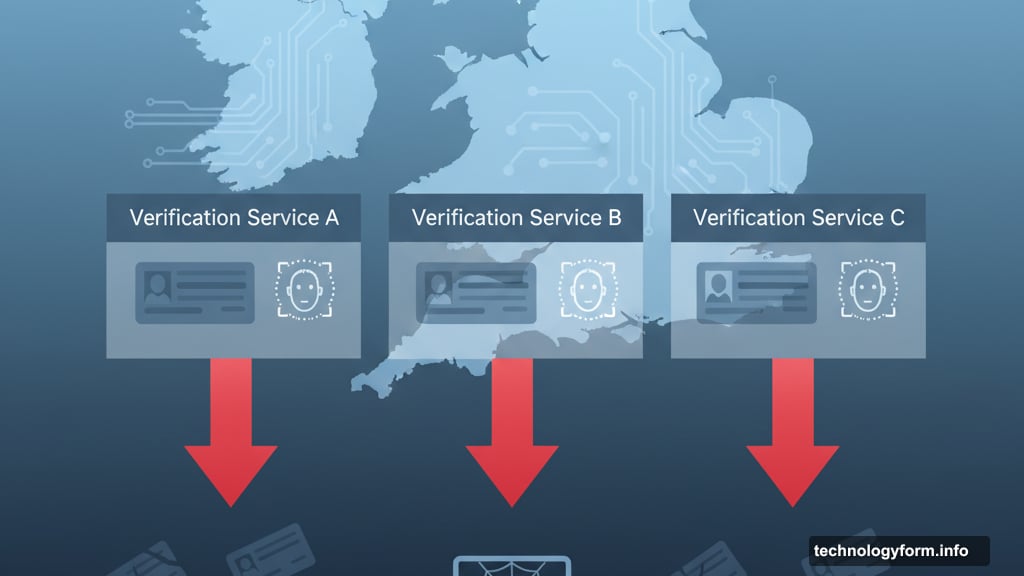
First came the obvious problem. Multiple verification services popped up, each demanding ID photos or facial scans. Every new service created another potential breach point. If one gets hacked, your government ID ends up on dark web marketplaces.
Then users found workarounds. Video game photo modes let people bypass age gates entirely. VPN usage exploded overnight. UK officials started making ominous noises about banning VPNs, though they’ve denied it so far.
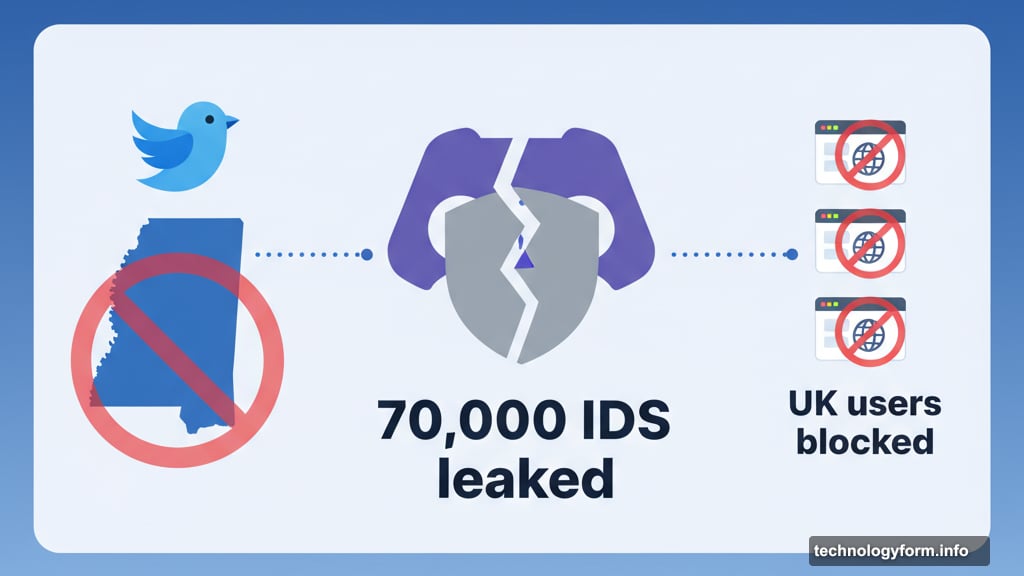
Small sites couldn’t handle the compliance burden. Several chose to block UK users entirely rather than navigate the requirements. Meanwhile, social networks started blocking content many considered appropriate for minors, applying rules far more strictly than intended.
The US saw similar patterns. When Mississippi’s age-gating law took effect, Bluesky blocked the entire state. The company said tracking which users were children on an ongoing basis was impossible to implement. Discord wasn’t so lucky. A third-party customer service provider got breached earlier this month, potentially leaking 70,000 users’ government IDs.
So basically, critics were right. Age verification disproportionately hurts smaller services while creating massive security risks.
Nobody Can Prove These Laws Actually Work
Here’s the uncomfortable truth. We have no idea if age verification benefits justify the privacy tradeoffs.
Some claims justifying these laws are obviously nonsense. US conservatives insist porn impairs brain development. No credible evidence supports that. Other claims are genuinely complicated questions, like whether social media harms teen mental health overall. Research remains inconclusive.
Individual tragedies happen. Harassment and sextortion are real. But the question isn’t whether bad things occur online. It’s whether age-gating prevents them better than other, less invasive approaches.
So far, we’ve seen catastrophic privacy breaches. We’ve seen small sites leaving entire countries. We’ve seen trivial circumvention methods. What we haven’t seen is clear evidence that kids are actually safer.
Any benefits will take years to measure. Meanwhile, the harms are piling up fast.
The Political Fight Gets Messy
The UK’s Online Safety Act became a political weapon. Prime Minister Keir Starmer defended it strongly, saying he felt “very strongly that we should protect our young teenagers.” But American-owned sites aligned with Donald Trump hate it. Nigel Farage promised to repeal the entire law over free speech concerns.
Other countries keep charging ahead anyway. The EU’s age verification measures are testing now. Australia’s rules take effect in December. The momentum hasn’t slowed despite obvious problems.
US porn site verification seems permanent. But blanket social media verification is shakier. The Supreme Court allowed Mississippi’s law to proceed temporarily. However, the only commentary offered suggests it’s probably unconstitutional long-term.
The messiest gray area? Sites like Reddit and Bluesky that don’t ban porn but host massive volumes of other content. Where do you draw the line? Nobody seems to know.
Meanwhile, tech companies are fighting each other. Meta wants app stores to handle verification. Apple and Google obviously hate that idea. Both sides are lobbying hard.
Companies Started Doing It Voluntarily
Here’s the weird part. Many platforms began implementing verification without being forced to.
Roblox and YouTube both beefed up age checks on their own. They often analyze account creation dates and usage patterns instead of demanding IDs. But when the analysis gets someone’s age wrong, they have to upload a photo ID anyway.
So the end result is the same. More people submitting government documents to private companies, creating more breach risks.
This isn’t remotely new globally, by the way. South Korea required real names online as early as 2004. China regulates children’s internet use down to the hours they can play video games.
But South Korea’s rules kept getting modified or overturned due to practical problems. And China’s rules are part of a surveillance regime now punishing people for being sad online. Not exactly success stories.
Better Solutions Exist. Nobody’s Trying Them
Age verification isn’t the only option. Lawmakers could fund agencies investigating child exploitation. They could pass laws targeting invasive ads and lax privacy standards affecting everyone.
The EU and UK already have comprehensive digital privacy frameworks. The US very much does not. Instead of building strong baseline protections, American lawmakers keep pushing verification mandates that create massive new privacy problems.
Nearly any rule adding special requirements for underage users implies sites must identify those users somehow. So many “child safety” proposals amount to backdoor age-gating even when they don’t explicitly require it.
The truly wild part? The US is in the worst possible position to mandate ID checks online. We’ve got bigger systemic problems that verification laws will only worsen. But momentum keeps building anyway.
The internet is becoming a “papers, please” zone. Critics warned this would happen. Governments ignored them. Now we’re living with the consequences while still waiting to see if any benefits materialize.
Your ID is probably already in some verification database. The question is how many breaches happen before anyone admits this was a mistake.