Apple May Store Siri AI Data on Google Servers as the Partnership Goes Deeper
Apple and Google have had a complicated relationship for years. But their latest collaboration might surprise even the most devoted Apple fans.
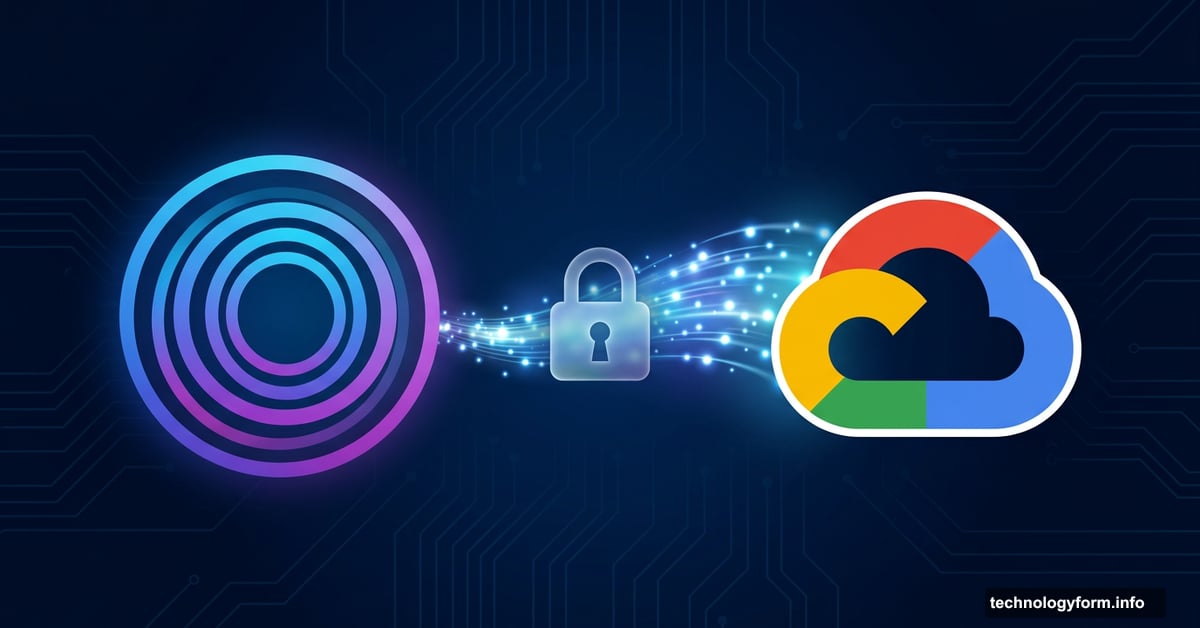
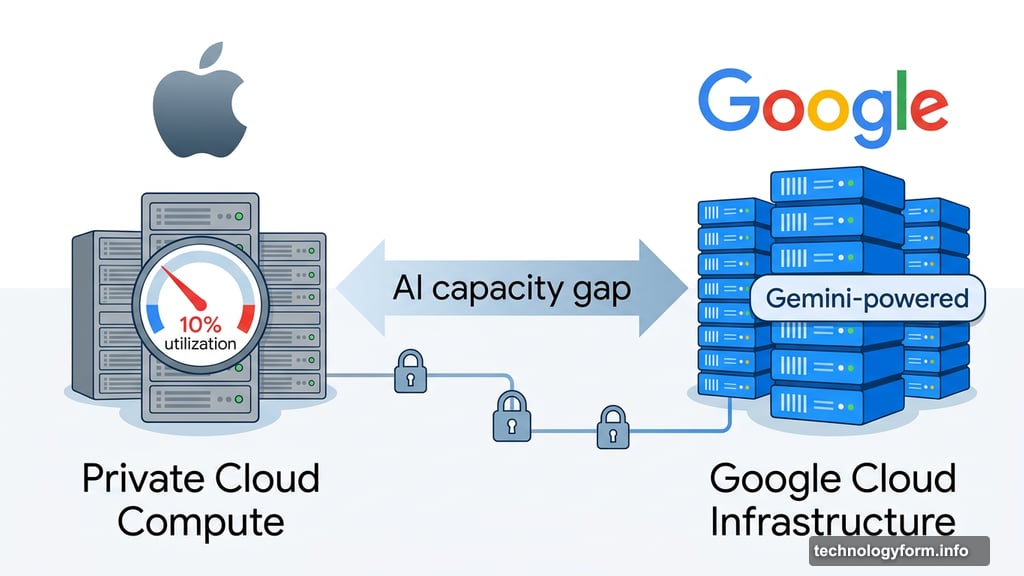
According to a report from The Information, Apple has asked Google to look into setting up dedicated servers for a new Gemini-powered version of Siri. That’s a significant step beyond what Apple originally announced, and it signals just how much Apple is leaning on its rival to close the AI gap.
The Gemini-Powered Siri Deal Gets Bigger
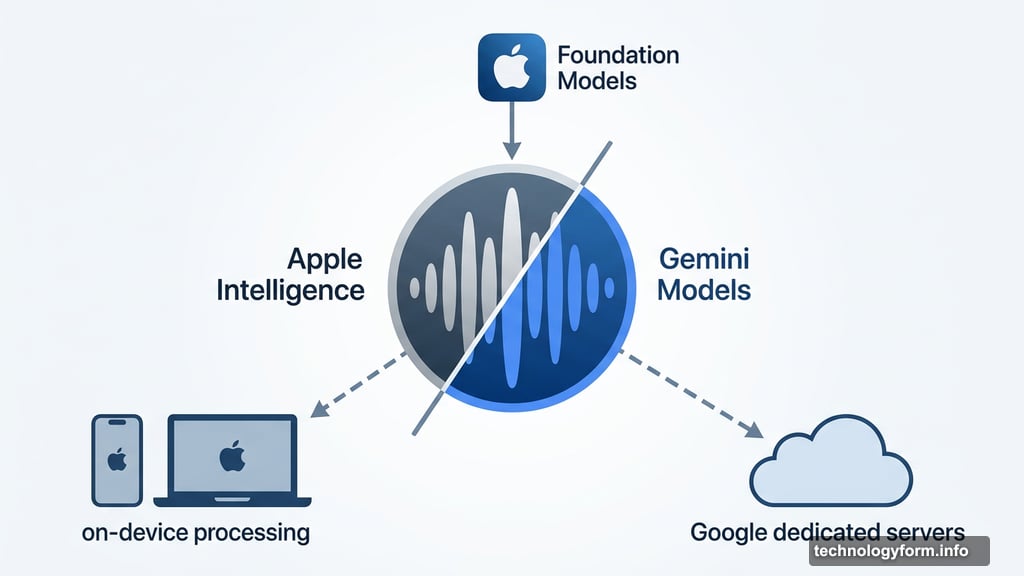
Apple first revealed the Google partnership back in January. At the time, the announcement said that “the next generation of Apple Foundation Models will be based on Google’s Gemini models and cloud technology.” Those models would help power future Apple Intelligence features, including a more personalized version of Siri.
But the original announcement left something important vague. It confirmed that Apple Intelligence would “continue to run on Apple devices and Private Cloud Compute.” However, it never specifically said whether the new Siri would run on Google’s cloud infrastructure.
Now it looks like the answer might be yes. And that’s a pretty big deal for a company that built its entire brand around privacy and keeping your data close.
Apple’s AI Ambitions Outpaced Its Infrastructure
Here’s the context that makes this story make sense. Apple has historically been conservative about building out its own servers and data centers. Meanwhile, Google, Microsoft, and Amazon have been pouring billions into AI infrastructure to meet exploding demand.
That conservative approach is now catching up with Apple. According to The Information, Apple’s Private Cloud Compute capacity sits at just 10 percent utilization on average. So Apple built cloud infrastructure, but its AI features haven’t driven enough demand to fill it.
Yet despite that low usage, Apple still needs more powerful AI capabilities than its current setup can deliver. That’s the paradox driving this deeper Google partnership. Apple needs Google’s scale to build the kind of AI features that users actually want.
Privacy Requirements Still Matter
One important detail in the report is worth paying attention to. Apple isn’t just handing everything over to Google with no conditions. The request asks Google to set up servers that specifically meet Apple’s privacy requirements.
That matters because Apple’s entire pitch around Apple Intelligence rests on the idea that your personal data stays protected. Private Cloud Compute is a big part of that story, processing sensitive requests in a way that Apple claims even its own engineers can’t access.
So the question now becomes whether Google’s infrastructure can genuinely meet those standards, or whether this represents a meaningful compromise to Apple’s privacy promises. Apple hasn’t addressed that publicly yet.
Why Siri Needs Help
The delayed upgrade to Siri has been one of Apple’s most visible stumbles in the AI race. Apple promised a dramatically smarter Siri tied to Apple Intelligence, then quietly pushed back the timeline. The pressure to ship something competitive is clearly intense.
Plus, the low utilization of Apple’s existing Private Cloud Compute tells its own story. If only 10 percent of that capacity is being used, it suggests Apple’s current AI features aren’t capturing meaningful engagement. Users aren’t relying on Apple Intelligence the way Apple hoped they would.
Partnering with Google for both the AI models and potentially the cloud infrastructure behind them is essentially Apple admitting it needs outside help to compete with what OpenAI, Google, and Microsoft are already shipping.
What This Means for You
If you use Siri regularly, the practical takeaway is a smarter assistant powered by Gemini could be on the way. Google’s AI models are genuinely impressive, and plugging that capability into Siri has real potential to close the gap with competitors.
But the privacy picture is still fuzzy. Apple hasn’t confirmed the server arrangement, and The Information’s report comes from sources rather than official statements. How Apple squares its privacy promises with running Siri on Google’s infrastructure will be the critical question to watch.
For now, the story is really about Apple’s position in the AI race. The company that prided itself on controlling every layer of its stack is increasingly relying on one of its biggest rivals to keep up. That’s a significant shift, and the full implications won’t be clear until Apple actually ships the new Siri.
Whether this partnership produces something genuinely better than today’s frustrating Siri remains to be seen. But one thing is clear: Apple is willing to make uncomfortable moves to get there.