OpenAI and Perplexity Launch Shopping Tools. Niche AI Startups Aren’t Worried
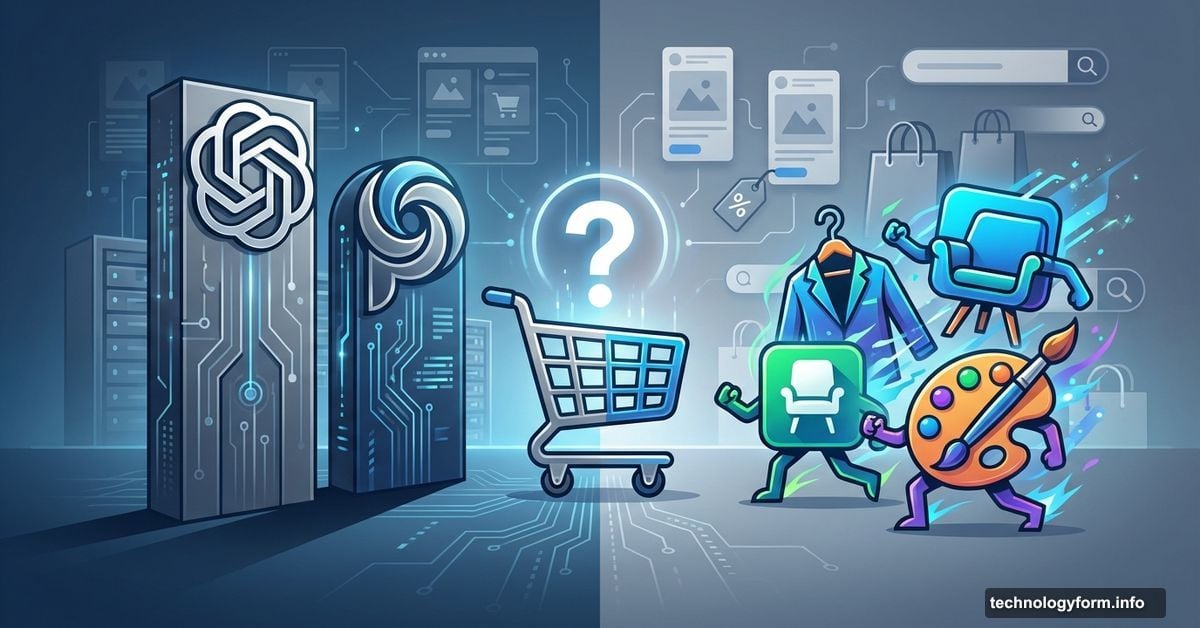
OpenAI and Perplexity just rolled out AI shopping assistants this week. Both promise to revolutionize how people buy stuff online.
But here’s the twist. Specialized AI shopping startups aren’t panicking. In fact, they think their narrow focus gives them an edge that general-purpose chatbots can’t match.
So who’s right? Let’s dig into why this holiday shopping battle might not play out how you’d expect.
What These New Tools Actually Do
Both companies launched similar features. OpenAI suggests you can ask ChatGPT to find “a gaming laptop under $1000 with a screen over 15 inches.” Or snap a photo of an expensive jacket and request cheaper alternatives.
Perplexity takes a different angle. Their chatbot remembers details about you—where you live, what you do for work. So it tailors shopping recommendations based on that history.
Plus, Adobe predicts AI-assisted shopping will surge 520% this holiday season. That’s a massive shift in how people discover and buy products online.
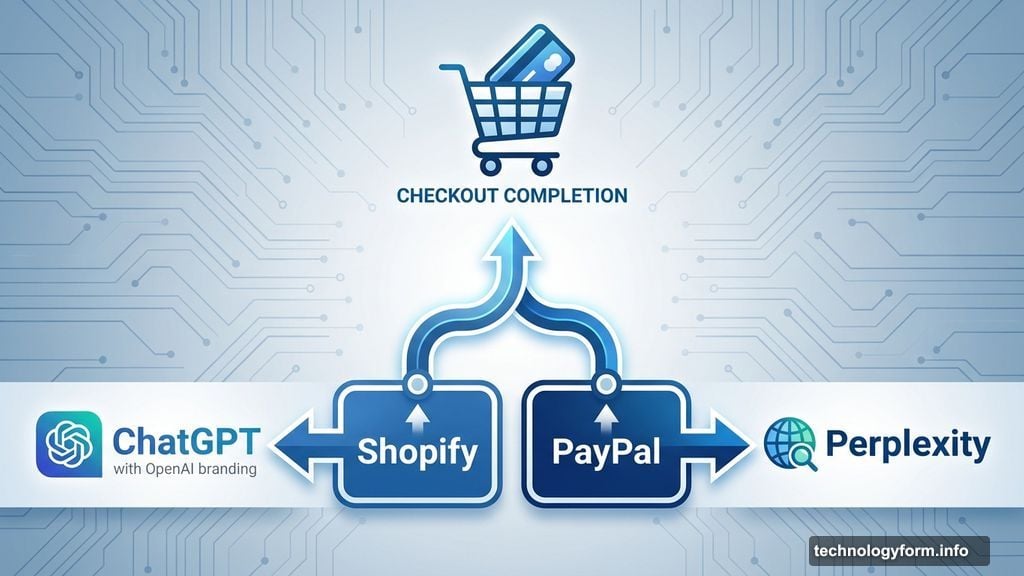
Both tools let you complete purchases without leaving the chat interface. OpenAI partnered with Shopify. Perplexity teamed up with PayPal. That’s huge for convenience.
Why Specialized Startups Think They’ll Win Anyway
Zach Hudson runs Onton, an AI tool for interior design shopping. He’s not sweating the competition from OpenAI and Perplexity.
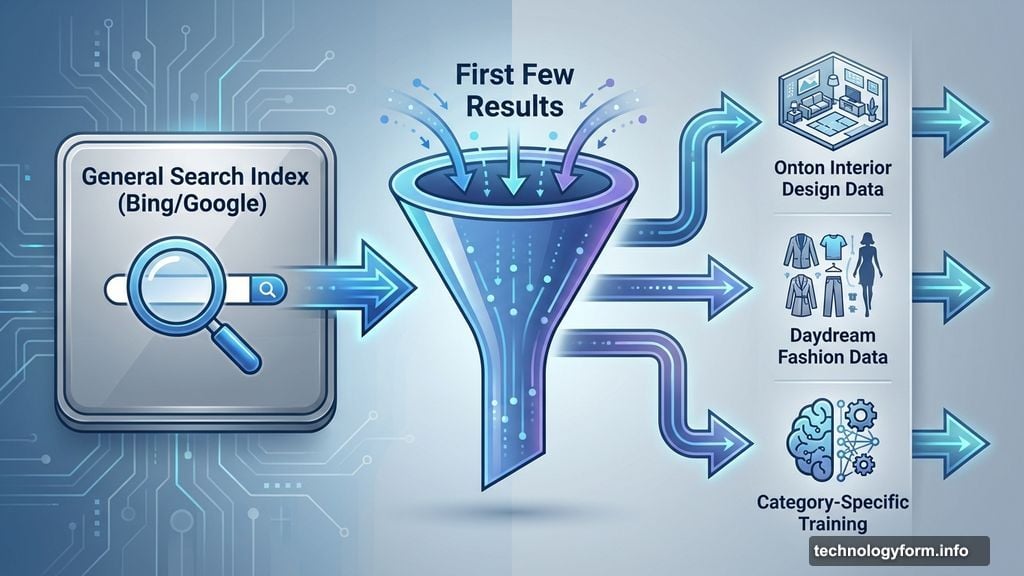
His reasoning? General-purpose AI tools rely on existing search indexes like Bing or Google. So they’re only as good as whatever pops up in the first few search results.
“Any model or knowledge graph is only as good as its data sources,” Hudson told TechCrunch. That means ChatGPT and Perplexity inherit the same search quality problems that already frustrate shoppers.
Perplexity countered that it has its own search index. But Hudson still believes specialized tools will deliver better results in specific categories.
Fashion Shopping Needs Domain Expertise
Julie Bornstein runs Daydream, another AI shopping startup. She’s a longtime e-commerce executive who thinks fashion demands specialized knowledge.
“Fashion is uniquely nuanced and emotional,” Bornstein explained. “Finding a dress you love is not the same as finding a television.”
She’s got a point. Fashion shopping requires understanding silhouettes, fabrics, occasions, and how people build outfits over time. That level of sophistication comes from domain-specific data and merchandising logic.
Moreover, Bornstein called search “the forgotten child” of the fashion industry. It never worked particularly well because general search engines don’t grasp fashion’s emotional complexity.
So AI shopping startups like Daydream and Phia develop their own datasets. They train their models on higher-quality, category-specific data. That’s easier to achieve when you’re cataloging fashion or furniture instead of all human knowledge.
Data Quality Makes the Difference
Hudson’s company Onton built a custom data pipeline. It catalogs hundreds of thousands of interior design products in a cleaner, more structured way.
That effort helps train internal models with better data than what you’d get from scraping Google search results. Plus, the focused approach lets them understand product relationships and design principles that generic AI tools miss.
But here’s the catch. Hudson thinks startups using only off-the-shelf language models and conversational interfaces can’t compete with larger companies. The specialized data pipeline is what creates the moat.
However, OpenAI and Perplexity have one massive advantage. Their customers are already using their tools daily. That built-in user base is hard to beat.
The Real Endgame: Advertising Revenue
Both OpenAI and Perplexity burn through expensive compute power to run their services. Neither has figured out a clear path to profitability yet.
So e-commerce makes strategic sense. If they follow Google and Amazon’s playbook, retailers could pay them to advertise products within search results.
But that approach could eventually recreate the same problems customers already hate about search. Paid placements might push better products down the results list.
Therefore, Bornstein believes vertical models tuned for specific categories will outperform general tools. “Vertical models—whether in fashion, travel, or home goods—will outperform because they’re tuned to real consumer decision-making,” she said.
The Shopping Experience Gap
Right now, Daydream and Phia redirect customers to retailers’ websites to complete purchases. Sometimes they earn affiliate revenue from those referrals.
Meanwhile, OpenAI and Perplexity let you check out within the chat interface thanks to their Shopify and PayPal partnerships. That’s a smoother experience with less friction.
Yet convenience alone might not be enough if the product recommendations aren’t great. And that’s where specialized startups think they have an edge.
Fashion shoppers need to understand how a dress fits or what occasion it suits. Interior design shoppers need to grasp how furniture matches their existing decor. Generic AI tools struggle with these nuanced decisions.
Who Wins This Battle?
It depends on what shoppers value most. If you want quick, good-enough recommendations for generic products, ChatGPT and Perplexity probably work fine.
But if you’re shopping for something that requires taste, style, or specialized knowledge, niche AI tools might deliver better results. Their focused datasets and domain expertise could make the difference.
Still, OpenAI and Perplexity have distribution advantages that startups can’t ignore. Their existing user bases and retailer partnerships give them a massive head start.
So the smart play for AI shopping startups? Go deep on specialization. Build datasets that general-purpose tools can’t match. Focus on categories where emotional and aesthetic decisions matter more than specs and prices.
The shopping assistant battle won’t end this holiday season. But specialized startups betting on superior data quality might just carve out profitable niches while the giants fight for general commerce dominance.