This Animation Startup Is Fixing AI’s Biggest Creative Problem
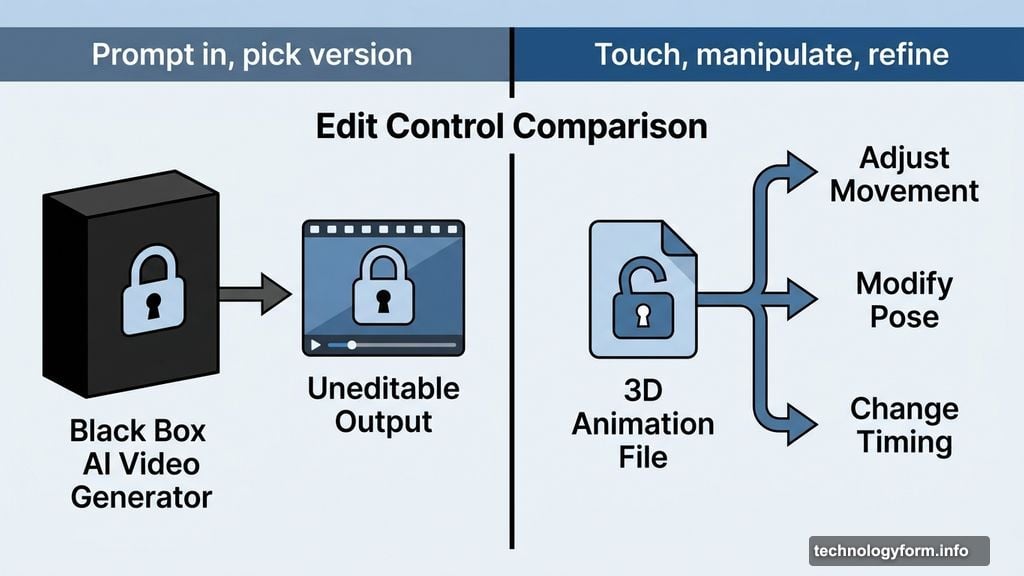
If you’ve ever used an AI video generator, you already know the frustration. You type a prompt, a clip appears, and if something looks off — say, the hands are weird or the movement feels robotic — you’re basically stuck. Try another prompt and hope for the best.
That “black box” problem is exactly what Cartwheel wants to solve. And honestly, their approach is pretty fascinating.
The Founders Behind the Idea
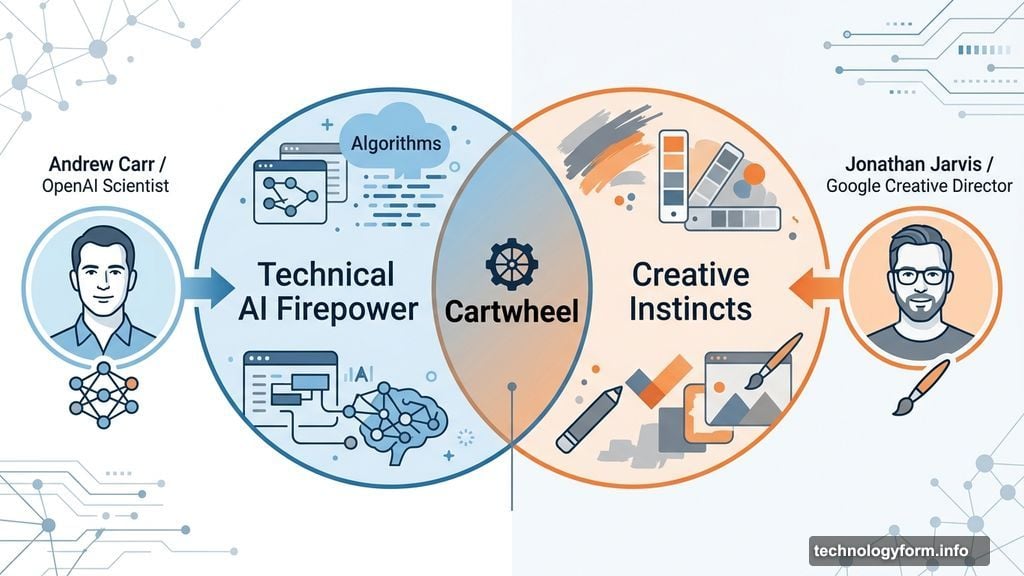
Cartwheel was started by Andrew Carr, a former OpenAI scientist, and Jonathan Jarvis, who previously served as a creative director at Google. Between them, they bring both the technical firepower and the creative instincts this kind of company needs.
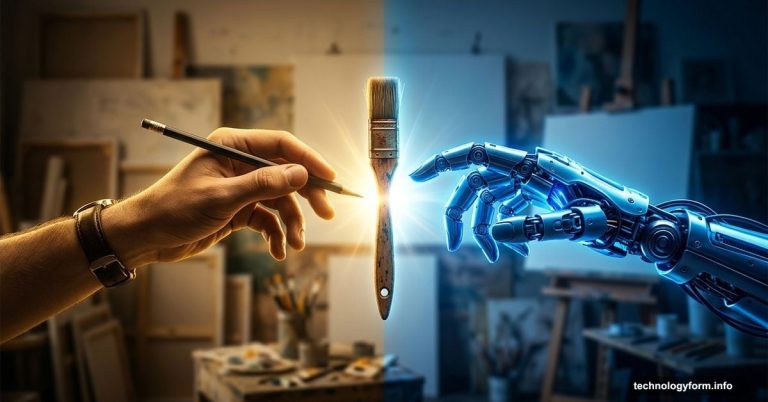
Their pitch is straightforward: AI should handle the boring technical parts of animation, not replace the artist making creative decisions. It sounds simple. But pulling it off turns out to be much harder than either founder expected.
3D Motion Data Is Surprisingly Rare
Here’s something most people don’t realize about animation AI. The big tech models — the ones powering image generators and video tools — were trained on massive amounts of text, audio, and visual content. That data is everywhere online.
But 3D motion data? That’s a completely different story.
“We knew it was going to be hard, but it turns out to be harder than we thought by probably a factor of 10 or 100 to get that data,” Jarvis said. Most AI companies skip this challenge entirely. They generate flat video pixels instead of mapping how human bodies actually move through space.
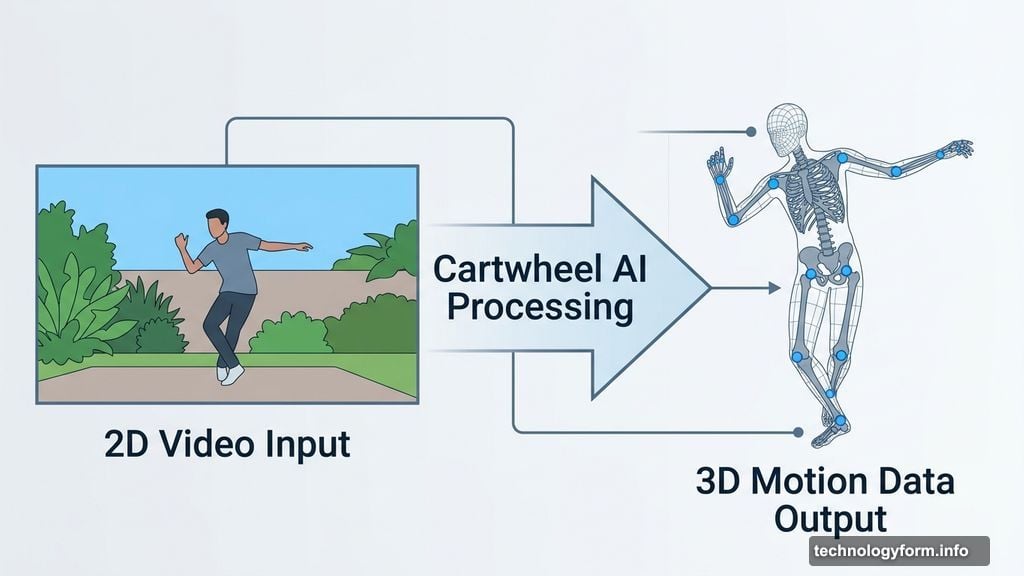
Cartwheel spent years doing the harder thing. Their models are built to understand the nuances of real human movement. So a simple 2D video of someone dancing in their backyard can be translated into a precise, realistic 3D skeleton that animators can actually work with.
That shift from flat pixels to 3D assets is the core of what makes Cartwheel different.
Why AI Animation Feels So “Same-y”
You’ve probably noticed that a lot of AI-generated video starts to look alike after a while. Same movement styles, same visual quirks, same weird energy. Cartwheel’s founders think they know exactly why that happens.
When everyone uses the same generator and nobody can edit the output, the results converge. The tool makes all the decisions. The human just picks which version to keep.
“The output of our system is designed for people to edit. It’s designed for people to touch and manipulate, and we don’t want someone to type something in and then have it shuffle through to a finished animation. That’s not the point of it. That’s boring, who’s going to watch that?” said Carr.
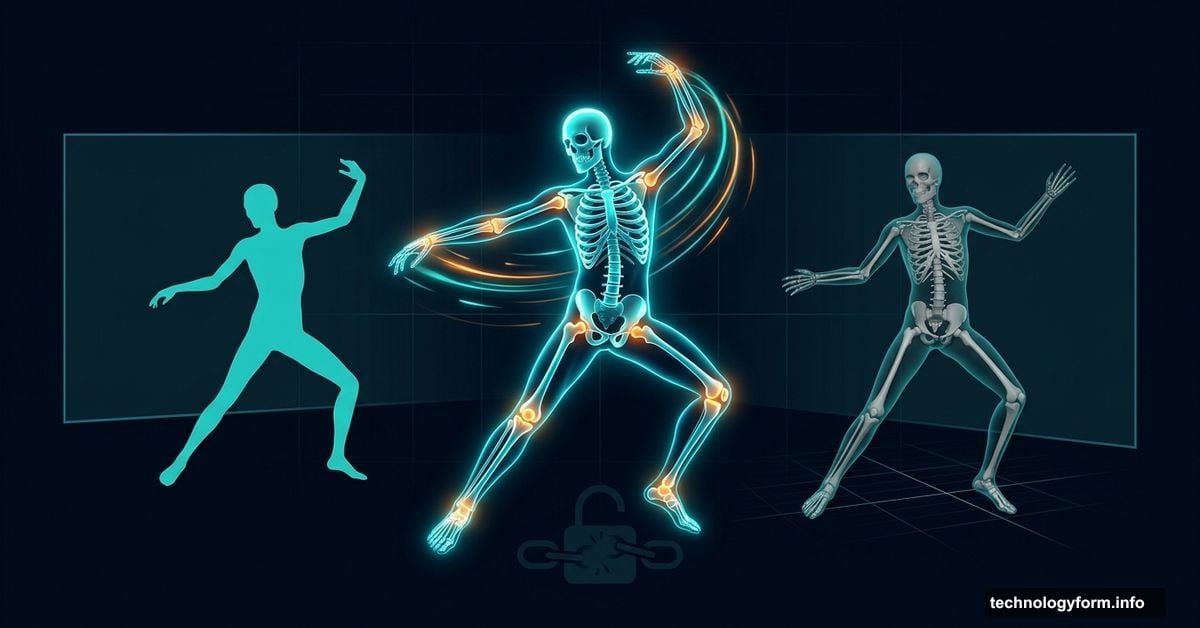
Because Cartwheel generates 3D data instead of locked video, creators can go back in and adjust things. Move the camera. Change the lighting. Shift a character’s pose. Push the timing of a movement earlier or later. Those options turn a generic AI output into something genuinely personal.
“You put it on different characters, you put it in different environments, you change how it looks, you push the performance, you pull the performance, and in that sense [sameness] turns into a nonissue,” Carr added.
That’s a pretty elegant solution. The AI does the heavy lifting on the technical side, but the human retains full creative control over what the final result actually looks and feels like.
Open-Ended Storytelling and Real-Time Characters
Cartwheel isn’t just thinking about making animation faster for individual creators. The company has a bigger vision they call “open-ended storytelling” and “open-ended world-building.”
Think about modern gaming or social media. The demand for content has grown so fast that manual animation simply can’t keep up. Game developers need characters who can react naturally to anything a player does. Content platforms need more material than any human team could realistically produce.
Cartwheel envisions a future where animated characters aren’t just pre-programmed with a handful of set moves. Instead, they’re powered by motion models that let them react and perform in real time. Rather than choreographing every frame, creators would essentially “rehearse” with a digital actor that understands the intent of a scene and responds accordingly.
It’s a compelling idea — somewhere between traditional animation and interactive performance.
The Goal: Everyone Works in 3D, Even If They Don’t Know It
Carr shared one of Cartwheel’s core hypotheses for where the industry is heading. “Everyone will work in 3D even if it’s authored in 2D, even if the final output is just 2D video,” he said, describing what he hopes becomes reality within three years.
That’s a significant prediction. It suggests that 3D motion understanding will quietly become the foundation beneath all animation tools — even the ones that look simple on the surface. The 2D video you export would just be the visible layer sitting on top of a much richer 3D model underneath.
Carr describes this as working at the “layer below the pixels.” The machine handles biomechanics, file exports, and the technical complexity of motion. The human keeps final say on the taste, the timing, and the heart of the story.
That balance feels right to me. The best creative tools have always been the ones that reduce friction without taking over. A good camera doesn’t make artistic decisions for the photographer. A good animation platform shouldn’t make them for the animator either.
Cartwheel is still early in its journey, but the founders are thinking about the right problems. If they can pull off what they’re describing — bridging 2D vision and 3D execution in a way that stays genuinely editable — that could matter a lot for everyone from indie creators to major studios trying to keep pace with the content demands of 2026 and beyond.