Google Just Delayed Gemini’s Android Takeover Until 2026
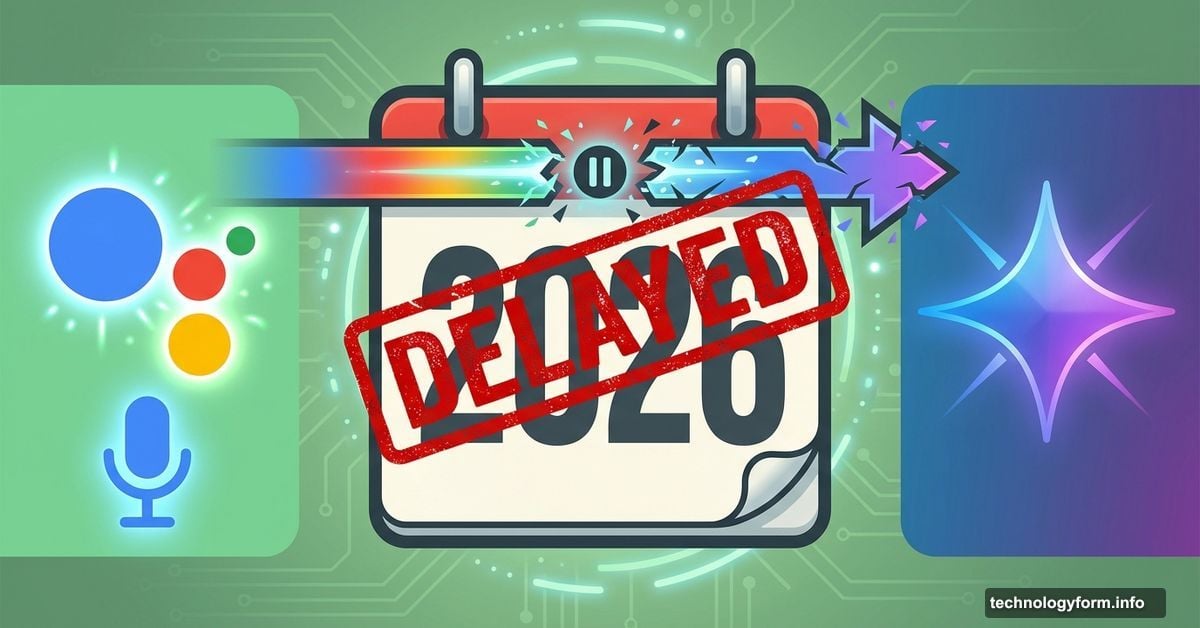
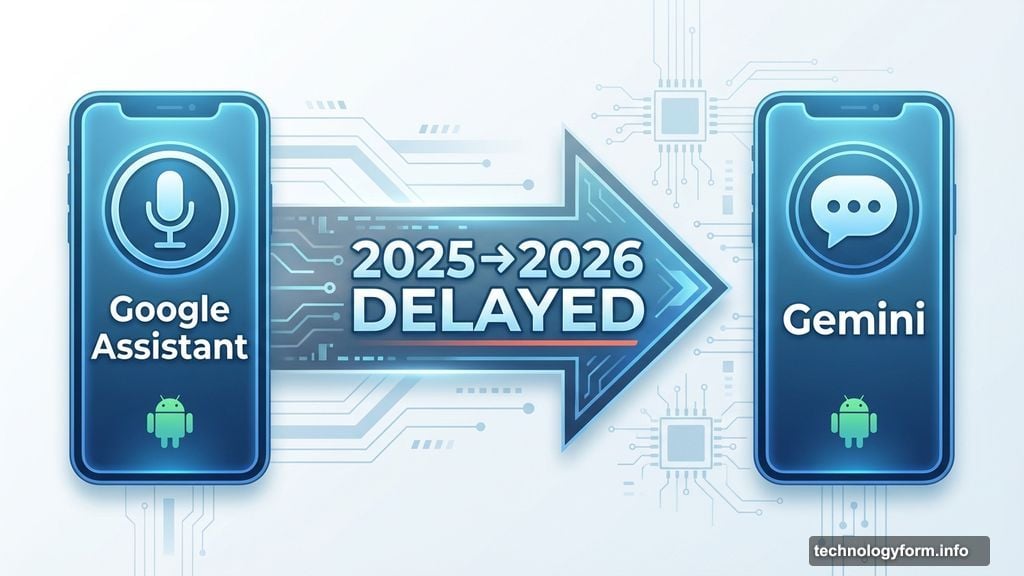
Google Assistant isn’t going anywhere just yet. The company quietly pushed back its timeline for replacing Assistant with Gemini on Android devices.
Instead of completing the transition by end of 2025, Google now says the switch will stretch into 2026. That’s a significant delay for what was supposed to be a major AI upgrade this year.
Why the Sudden Delay
Google claims it needs more time to “deliver a seamless transition.” Translation? The migration isn’t going as smoothly as planned.
Moving millions of users from a mature voice assistant to an AI chatbot turned out trickier than expected. Plus, Google wants to avoid the chaos that happens when you rush major platform changes. Remember how well forced upgrades usually go?
The company already started laying groundwork this year. Users can now make phone calls, set timers, and send messages through Gemini. But those features clearly weren’t enough to justify flipping the switch completely.
What This Means for Users
For now, Google Assistant sticks around on your Android phone. That’s probably good news if you rely on Assistant’s specific features or voice commands.
But here’s the catch. Once Google does make the switch, Assistant disappears entirely from devices that can run Gemini. You won’t be able to download the Google Assistant app anymore either.
So enjoy Assistant while it lasts. Google’s giving you extra time, but the writing’s still on the wall. Eventually, Gemini becomes your only option.
Gemini Already Conquered Other Devices
Google hasn’t been completely idle on the Gemini front. The AI assistant already powers several other platforms.
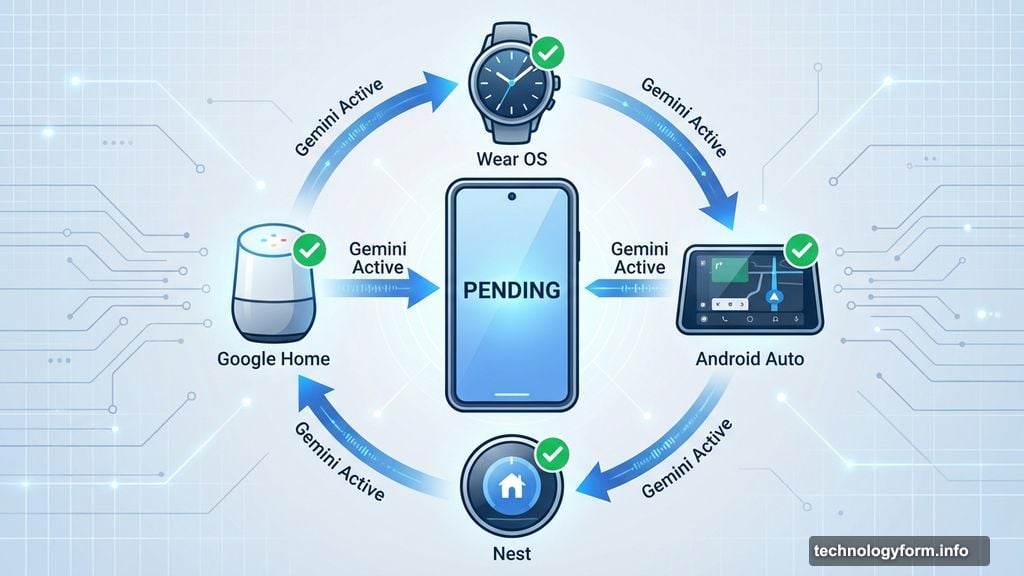
Wear OS smartwatches run Gemini now. Android Auto switched over too. Even Nest and Google Home devices made the jump. So the technology works. Google just needs more time to nail the Android phone experience specifically.
Plus, Google added a privacy feature this year. Users can now tap into Gemini’s assistant capabilities without having their conversations used for AI training. That’s a smart move considering how many people worry about privacy with AI tools.
The Real Challenge Google Faces
Replacing a voice assistant with a chatbot isn’t just a technical swap. It’s a fundamental shift in how people interact with their phones.
Google Assistant responds to voice commands instantly. Gemini wants to have conversations. Those are different use cases that require different user expectations and behaviors.
Many users might not want an AI chatbot at all. They just need quick voice commands for timers, calls, and navigation. Forcing everyone onto Gemini risks alienating users who prefer simple, reliable voice controls over conversational AI.
Google’s delay suggests the company finally realized this tension. Better to take extra time getting it right than rushing a transition that frustrates millions of users.