Google Search AI Mode Just Went Global. Publishers Aren’t Happy
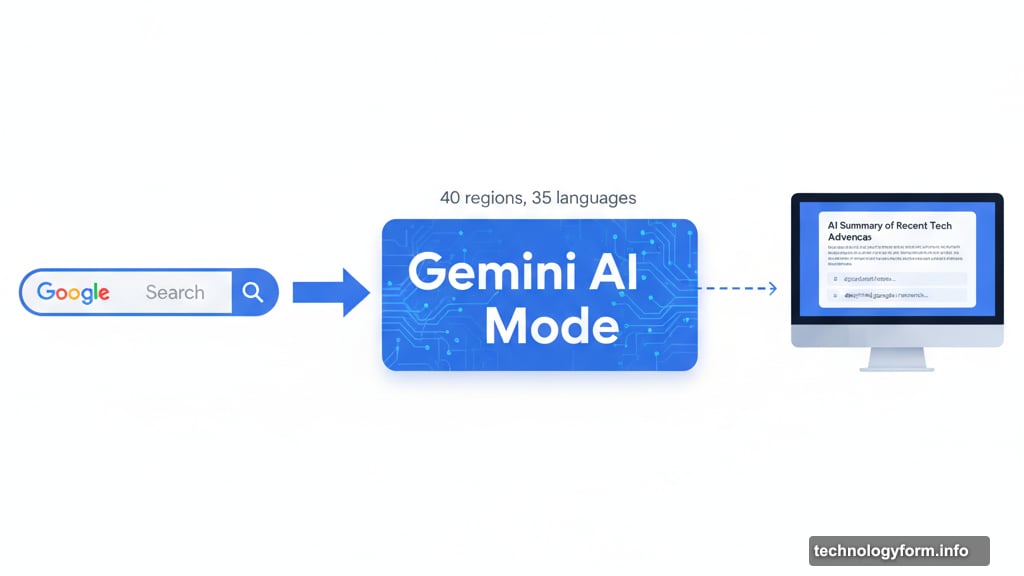
Google’s AI Mode in Search is spreading fast. The feature now works in 40 new regions and supports 35 new languages.
That sounds convenient for users. But website owners face a growing problem. Traffic keeps dropping as more people stop clicking through to actual websites.
What Changed This Week
Google announced the expansion on its blog. AI Mode now understands Arabic, Chinese, Croatian, Czech, Dutch, German, Greek, French, Malay, Russian, Thai, Vietnamese and dozens more languages.
The company built this on a custom Gemini model designed specifically for search. According to Google, the system grasps local language nuances well enough to avoid awkward translations or misunderstood queries.
Users in newly supported regions will start seeing AI Mode responses over the coming weeks. The rollout happens gradually, not all at once.
How We Got Here

Google started testing AI Mode back in March through its Labs program. Only select users could access it initially.
Then in May, the company opened it up to everyone in the United States. That marked a major shift in how Google Search works for millions of daily users.
By September, Google added Hindi, Indonesian, Japanese, Korean and Brazilian Portuguese. Now the expansion accelerates with 35 languages launching simultaneously.
Plus, Google recently improved how AI Mode handles visual prompts. You can upload images and ask questions about them. The system processes both text and images together.
Why Publishers Are Worried
Here’s the uncomfortable truth. AI Mode summaries reduce website clicks dramatically.
A Pew Research Center study documented the problem. When users see an AI-generated summary at the top of search results, they rarely click through to source websites. Instead, they read the summary and end their browsing session.
That’s terrible news for publishers who rely on search traffic. Fewer clicks mean less ad revenue and fewer subscribers.
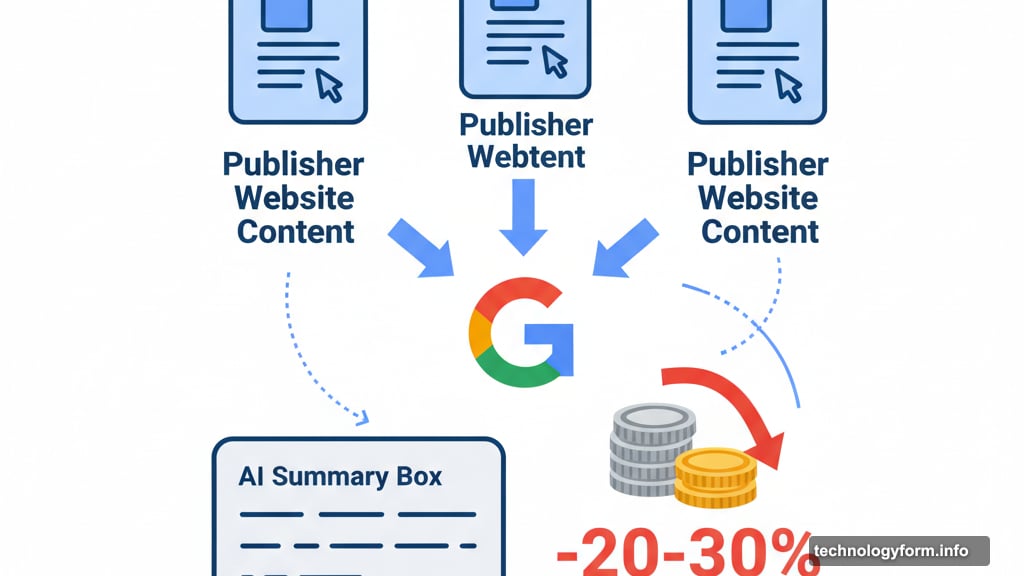
Moreover, Google’s AI Mode doesn’t always cite sources clearly. Users get answers without knowing which websites provided the information. So content creators produce the knowledge, but Google’s AI presents it without sending traffic back.
Some publishers report traffic declines of 20-30% since AI Mode became widespread. For websites that depend on search visibility, those numbers threaten their business model entirely.
The Technical Reality
Google says AI Mode makes search better. Users get quick answers without clicking through multiple websites.
But there’s a catch. The system only works because it trained on millions of web pages created by publishers. Those same publishers now watch their traffic evaporate as AI Mode answers questions directly.
Furthermore, AI Mode isn’t always accurate. The system occasionally generates incorrect information or misinterprets context. Yet users trust it because Google presents answers confidently.
Publishers can’t opt out easily either. Blocking Google’s crawlers means disappearing from search results entirely. That’s not a realistic option for most websites.
What This Means Going Forward
Google plans to add more AI Mode capabilities soon. The company says it will “graduate features from AI Mode into the core search experience” based on user feedback.
Translation? AI summaries will become standard across more search queries. Not just an optional mode.
So the trend accelerating now will likely continue. More languages get support. More regions gain access. More searches show AI summaries instead of traditional results.
For publishers, the math looks brutal. Create content that feeds Google’s AI, watch traffic decline, lose revenue, potentially shut down. Meanwhile, Google strengthens its position as the primary information gateway without sharing proportional value with content creators.
The web ecosystem built on search traffic faces fundamental restructuring. And nobody asked publishers if this change worked for them.
AI Mode might deliver better user experiences. But it’s reshaping the internet’s economics in ways that hurt the people who create the content making those AI answers possible. That tension isn’t going away. In fact, it’s about to get worse in 40 more countries.