OpenAI Is Building One Desktop App to Rule Them All
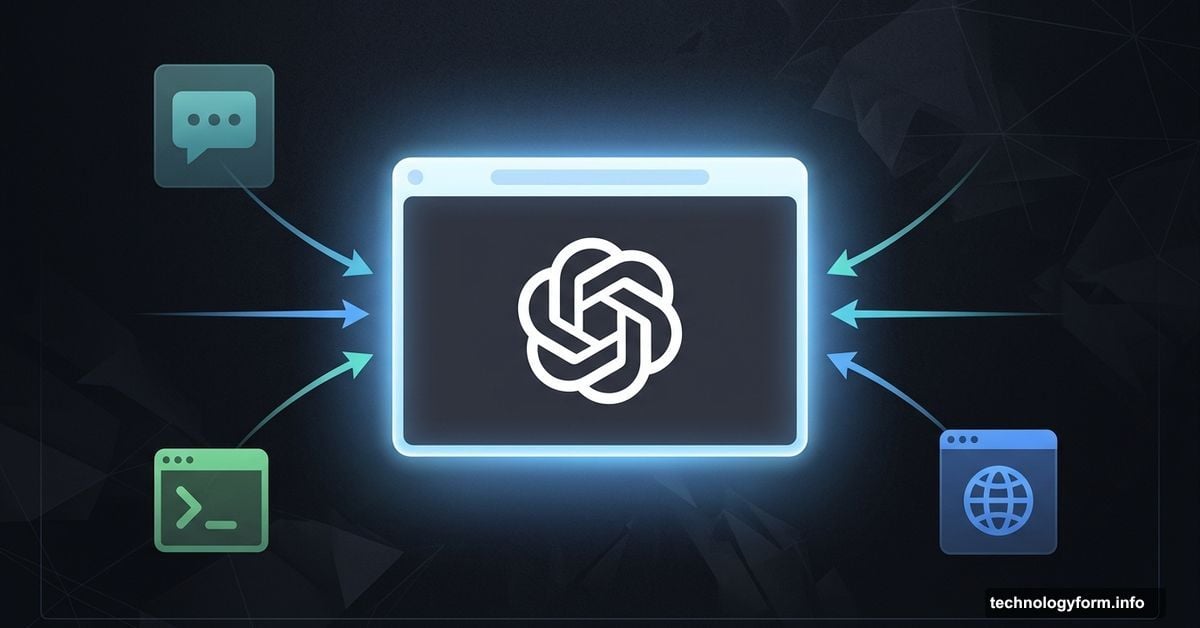
OpenAI is done juggling separate products. The company is reportedly merging ChatGPT, its browser, and its Codex coding app into a single desktop “super app” — and it’s a bigger deal than it might sound at first.
The news comes from the Wall Street Journal and CNBC, who both reported that OpenAI Chief of Applications Fidji Simo will lead the overhaul. She’ll have backup from OpenAI President Greg Brockman, and she’ll also help market the app once it launches.
So what’s driving this change? According to an internal note Simo sent to employees, the company realized it had spread itself too thin.
Too Many Apps, Not Enough Focus

Simo was pretty blunt about the situation in her message to staff. “That fragmentation has been slowing us down and making it harder to hit the quality bar we want,” she reportedly wrote.
That’s a surprisingly candid admission from a company that’s been launching products at a rapid pace. But it also makes a lot of sense. When your team is maintaining multiple separate apps, every bug fix, update, and new feature has to happen across all of them. That’s exhausting and inefficient.
By combining everything into one place, OpenAI can move faster and build a smoother experience for users. Think of it like switching from carrying three separate remotes for your TV, sound bar, and streaming box — to just one universal remote that controls everything.
Codex Is the Bet OpenAI Is Doubling Down On
Simo also replied publicly to the Journal’s reporting on X, and her message offered a glimpse into the company’s thinking.
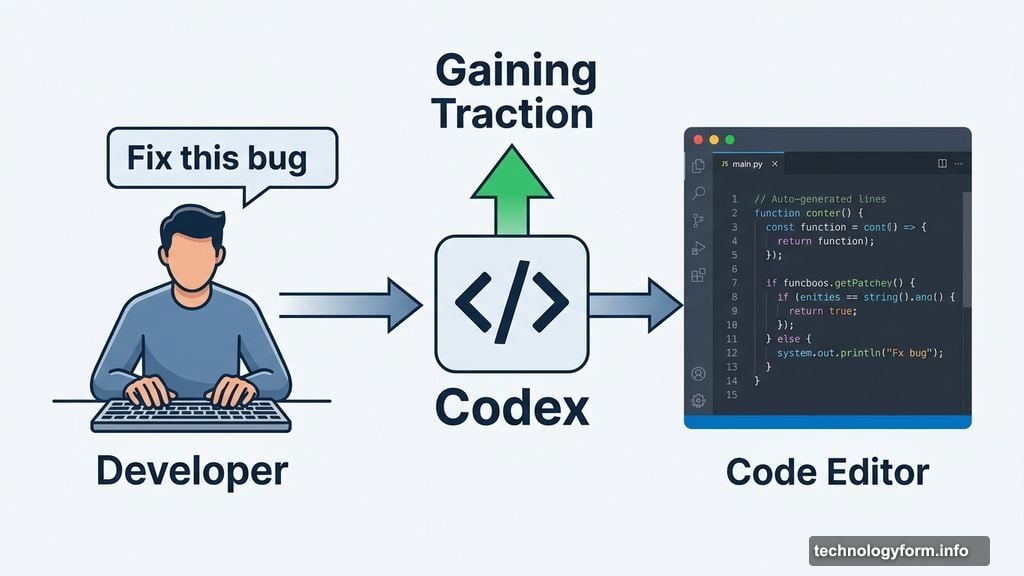
“Companies go through phases of exploration and phases of refocus; both are critical,” she said. “But when new bets start to work, like we’re seeing now with Codex, it’s very important to double down on them and avoid distractions.”
Codex, for those unfamiliar, is OpenAI’s code-generating tool. It lets developers write, edit, and debug software using natural language. And apparently, it’s gaining serious traction inside OpenAI right now. That momentum seems to be a big part of why the company is consolidating — they want to build on what’s working instead of spreading attention across too many places.
Agentic AI Is the Real Goal Here
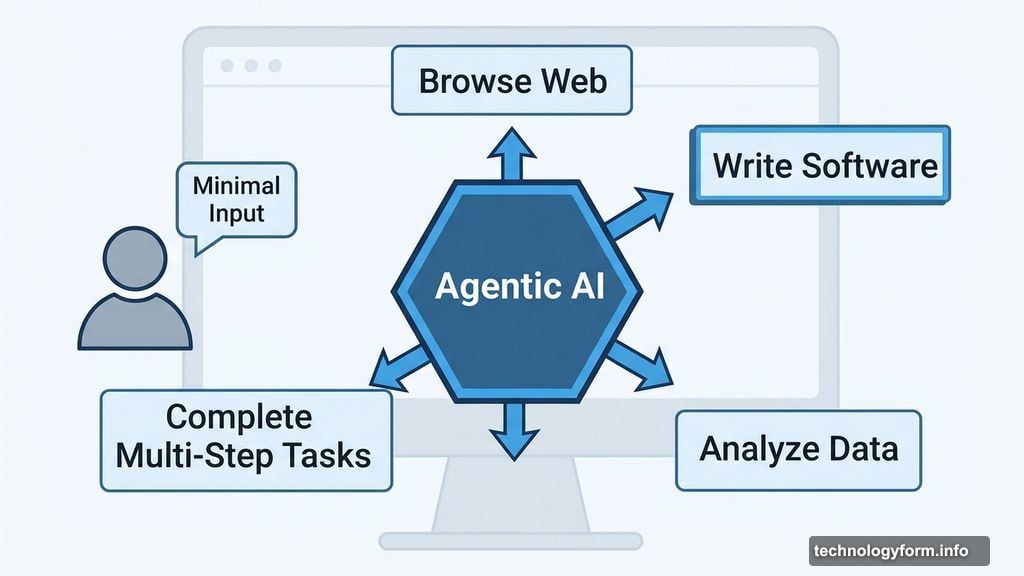
Here’s where things get really interesting. OpenAI isn’t just combining apps for the sake of a cleaner menu. According to reports, the unified desktop app will focus heavily on agentic AI capabilities.
Agentic AI is a bit different from the chatbot experience most people know. Instead of just answering questions, AI agents can take actions on your computer with minimal human input. They can write software, analyze data, browse the web, and complete multi-step tasks largely on their own.
At an all-hands meeting, Simo reportedly told employees that the company was “orienting aggressively” toward high-productivity use cases. That’s a strong signal that this super app won’t just be ChatGPT with a browser tab bolted on. It sounds like OpenAI wants to build something closer to a personal AI assistant that actually does things for you — not just talks about doing them.
What We Still Don’t Know
OpenAI hasn’t made any official announcement about the app yet. No release date, no screenshots, no pricing details. What we do know is that Simo’s note to employees signals this is a priority, not just an idea being floated around.
The company is clearly feeling competitive pressure. Rivals like Google, Microsoft, and Anthropic are all racing to build their own versions of AI-powered productivity tools. Having a fragmented lineup of separate apps makes it harder to compete against platforms that offer a more integrated experience from the start.
Pulling ChatGPT, a browser, and Codex into one cohesive desktop app could genuinely change how people interact with AI day-to-day. Whether OpenAI can actually deliver on that vision — and do it before competitors stake out that territory — is the real question worth watching.