Elon Musk’s Wikipedia Rival Just Went Live. It’s Already a Mess
Grokipedia launched Monday with big promises. Then it immediately crashed. Now it’s back online, and the problems run deeper than server issues.
Musk’s AI-powered encyclopedia claims to fix Wikipedia’s “propaganda problem.” But early examples show something different. The site appears to inject Musk’s worldview directly into supposedly neutral entries.
Let’s examine what actually launched and why it matters for information access online.
Wikipedia Clone or Something Else?
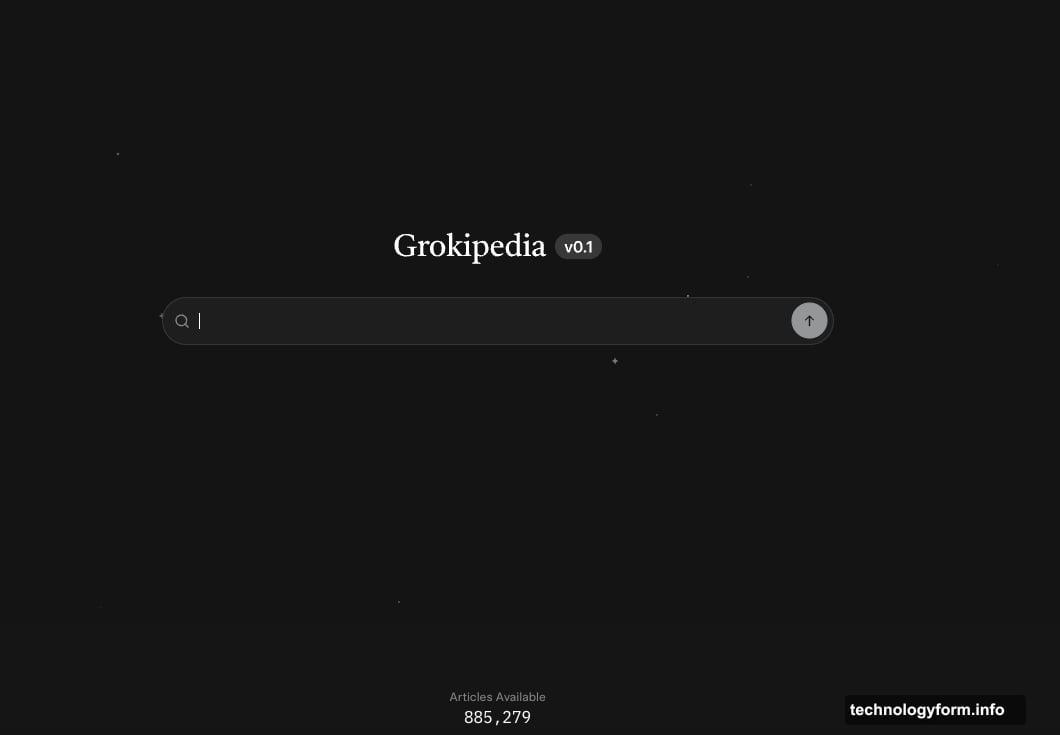
Grokipedia currently hosts over 885,000 articles. That sounds impressive until you realize where they came from.
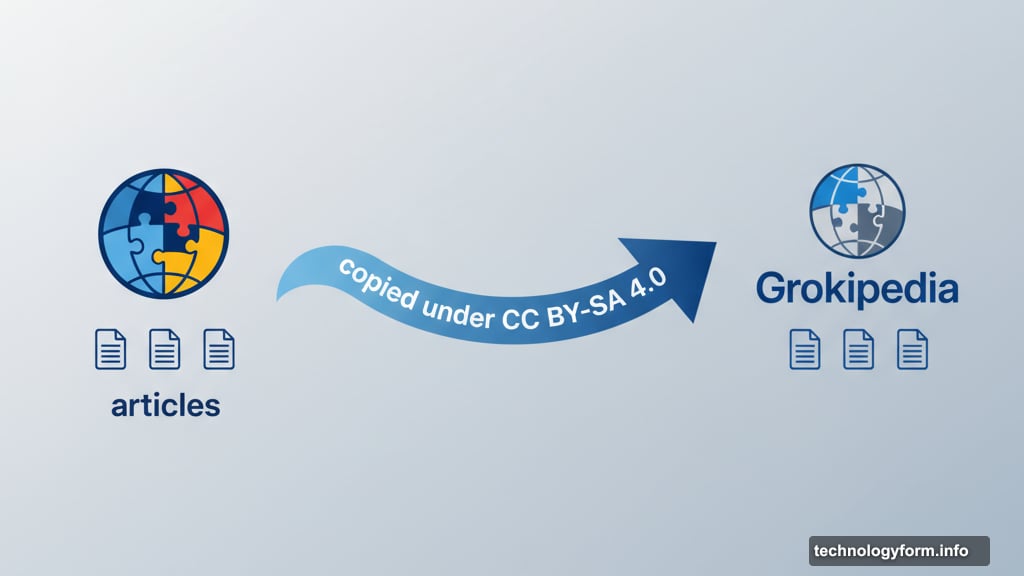
Many entries are nearly identical to Wikipedia articles. In fact, they’re directly copied. Small disclaimers note the content “is adapted from Wikipedia, licensed under Creative Commons Attribution-ShareAlike 4.0 License.”
So Musk built his Wikipedia alternative by copying Wikipedia. The irony is thick.
However, some articles diverge from their Wikipedia sources. Those differences reveal the real agenda behind Grokipedia.
The Bias Shows Up Quickly
Social media users spotted suspicious edits within hours of launch. The changes aren’t subtle.
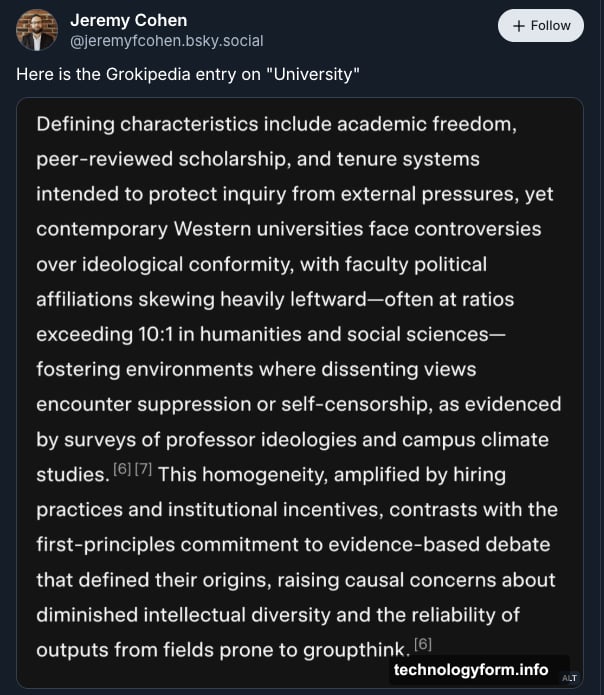
Take the entry for “university.” According to screenshots captured by Bluesky user Jeremy Cohen, Grokipedia’s version includes commentary about universities being “captured by left-wing ideology.” That’s not factual reporting. It’s editorial opinion presented as encyclopedia content.
Plus, Musk’s own entry reads like promotional material. Bluesky user Miles Lee captured a version that emphasizes Musk’s accomplishments while downplaying controversies. Wikipedia entries, for all their flaws, at least attempt balanced coverage through community oversight.
No Inline Citations Creates Problems
Wikipedia’s strength lies in its citation system. Every claim links to a source. Readers can verify information instantly. That transparency builds trust even when articles have issues.
Grokipedia strips out those inline citations. Articles make claims without immediate source verification. Instead, readers must trust that xAI’s Grok assistant accurately summarized information.
This matters more than it sounds. Without visible sources, correcting errors becomes harder. Readers can’t easily distinguish between well-sourced facts and AI-generated interpretations.
Moreover, the lack of citations makes propaganda insertion easier. Who verifies whether a claim about universities or political figures comes from reliable sources? The AI just asserts it.
The Server Crash Wasn’t Encouraging
Grokipedia briefly crashed shortly after launching. For a project positioning itself as Wikipedia’s successor, technical failures don’t inspire confidence.
Wikipedia handles billions of pageviews monthly with remarkable stability. That’s because thousands of volunteers and the Wikimedia Foundation maintain robust infrastructure. Building that takes time and expertise.
So launching a half-baked alternative that immediately crashes suggests Musk rushed this project. The goal seems to be generating headlines rather than creating genuinely useful reference material.
Musk’s Wikipedia Obsession Explained
Why does Musk hate Wikipedia so much? He’s repeatedly called it biased and accused it of spreading propaganda. Wikipedia founder Jimmy Wales has called these claims “factually incorrect.”
The real issue appears to be control. Wikipedia operates through community consensus. No single person or company controls what articles say. That democratic approach frustrates people who want their preferred narratives promoted.
Plus, Wikipedia doesn’t run ads. It relies on donations. Musk’s business model requires monetization. An ad-free, community-controlled encyclopedia doesn’t fit that vision.
Grokipedia lets Musk shape information however he wants. The AI assistant powering it reflects his values and priorities. That’s not fixing bias. That’s replacing one perspective with another.
What This Means for Online Information
Competing encyclopedias aren’t inherently bad. More sources of information can benefit everyone. But Grokipedia’s approach raises concerns.
First, it copies Wikipedia while criticizing it. That’s hypocritical. If Wikipedia is so terrible, why copy 885,000 articles from it?
Second, it removes accountability mechanisms. Wikipedia’s edit history, discussion pages, and citation requirements create transparency. Grokipedia offers none of that.
Third, it presents opinion as fact. Articles about universities shouldn’t include editorial commentary about political ideology. That belongs in opinion pieces, not encyclopedia entries.
Wikipedia Isn’t Perfect Either
To be fair, Wikipedia has real problems. Edit wars happen. Some articles reflect systemic bias. Citation quality varies. Volunteer editors sometimes push agendas.
However, Wikipedia’s flaws stem from human nature, not intentional design. The platform includes mechanisms for addressing bias. Anyone can propose changes. Disputes get arbitrated. Sources must be verifiable.
Grokipedia offers no such checks. The AI decides what’s true. Users can’t easily challenge entries or see how information gets generated. That’s less transparent than Wikipedia, not more.
The Propaganda Claim Rings Hollow
Musk delayed Grokipedia’s launch to “purge out the propaganda.” That statement reveals his misunderstanding of how knowledge works.
All information sources have perspectives. Bias is unavoidable. The question is whether systems exist to identify and correct it. Wikipedia tries through community review. Grokipedia tries through AI controlled by one person’s company.
Which approach seems more likely to produce balanced content? The answer is obvious.
Plus, if Grokipedia’s goal was removing propaganda, why do early entries include obvious editorial slant? The university article proves the project inserts new bias rather than eliminating existing ones.
Technical Issues Just Scratch the Surface
The launch day crash was embarrassing. But Grokipedia’s technical problems run deeper than server capacity.
How does the AI decide which Wikipedia edits to accept? How does it resolve disputes between sources? What happens when information changes rapidly? These questions lack clear answers.
Wikipedia has established processes for all these scenarios. Grokipedia has AI making judgment calls without transparency. That’s not progress.
Moreover, AI systems are expensive to run. Grok requires significant computational resources. Who pays for that long-term? Will Grokipedia eventually require subscriptions or ads? Those questions matter for sustainability.
The Bigger Picture on Information Control
This isn’t just about encyclopedias. It’s about who controls authoritative information online.
Tech billionaires increasingly want to own the platforms where people learn things. Musk bought Twitter to control discourse. Now he’s building an encyclopedia to control facts. That concentration of power is concerning.
Wikipedia’s distributed model isn’t perfect. But it’s better than letting wealthy individuals decide what counts as true. Community oversight beats AI controlled by companies every time.
Grokipedia represents a step backward for internet knowledge. It centralizes authority while claiming to democratize information. Don’t fall for it.
What Happens Next
Grokipedia will probably gain users. Musk’s platforms attract attention. Some people will prefer it to Wikipedia out of political alignment or curiosity.
However, it’s unlikely to replace Wikipedia as a trusted source. Academics won’t cite it. Researchers won’t rely on it. The lack of transparency and obvious bias undermines credibility.
Instead, Grokipedia might become another echo chamber. People who share Musk’s worldview will use it. Everyone else will stick with Wikipedia despite its flaws.
That outcome helps nobody. Fracturing authoritative information sources makes society more polarized, not better informed.
Musk had a chance to build something genuinely useful. He could have created an encyclopedia with better citation systems, faster updates, or improved accessibility. Instead, he copied Wikipedia, removed its best features, and injected his own biases.
The internet deserved better. Wikipedia, for all its problems, remains the superior option. At least there, you can see who wrote what and why. With Grokipedia, you just have to trust the AI knows best.
That’s not how knowledge should work.