Proving You’re Human Is Now a Booming Business. Sam Altman Is Leading the Charge
Bots are everywhere. They’re flooding social media, crashing concert ticket sites, and now showing up in work video calls. So how do you actually prove you’re a real person and not just a very convincing AI?
That’s the exact problem World ID is trying to solve. And the platform just made some big moves that put human verification front and center.
Sam Altman’s Other Big Project
Most people know Sam Altman as the CEO of OpenAI. But back in 2019, he co-founded a very different kind of company.
World (originally called Worldcoin) started out focused on cryptocurrency. Over time, though, it shifted its attention toward something arguably more urgent: identity verification in an age where AI makes it nearly impossible to tell humans from bots.
Altman co-founded the platform alongside Alex Blania and Max Novendstern. Together, they built World ID into a growing ecosystem of tools designed to answer one surprisingly tricky question. Are you actually human?
Tinder, Zoom, and Concert Tickets
World ID just announced a string of new partnerships that put its human verification technology into some very familiar places.
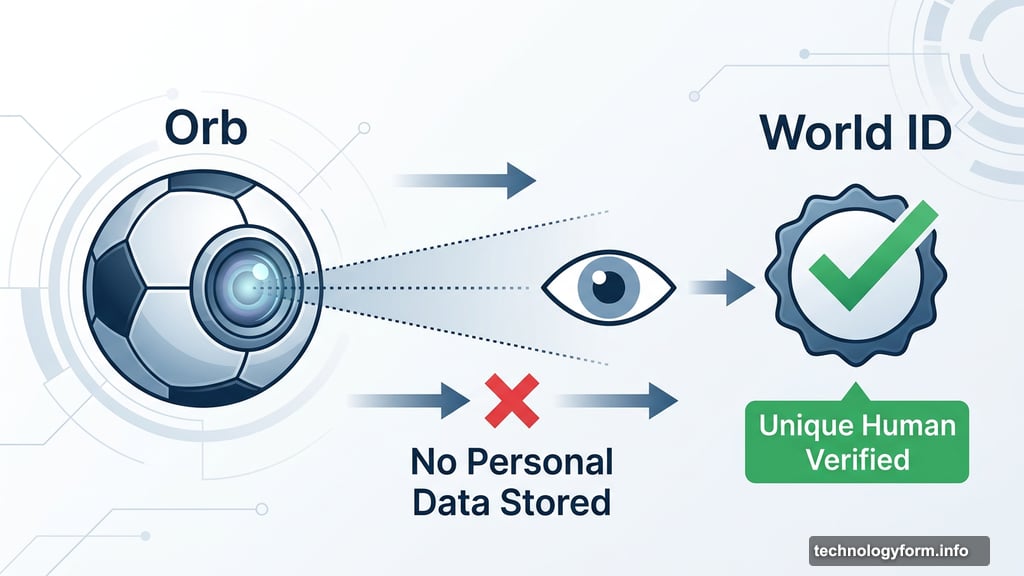
First up is Zoom. The video conferencing giant plans to integrate World ID Deep Face, which enables real-time verification that meeting participants are human during live calls. That’s a direct response to growing concerns about AI avatars and deepfakes sneaking into professional settings.
Then there’s Tinder. Match Group is testing World ID for age verification on the dating app, starting in Japan. Profiles that pass the human verification check will receive a visible marker, giving users a quick way to know they’re talking to a real person.
And for music fans, World ID built Concert Kit. It’s a ticketing tool that artists can use to sell event tickets with built-in human verification, specifically designed to block the ticket bots that snatch up seats before real fans even get a chance.
The Orb: A Futuristic Identity Camera
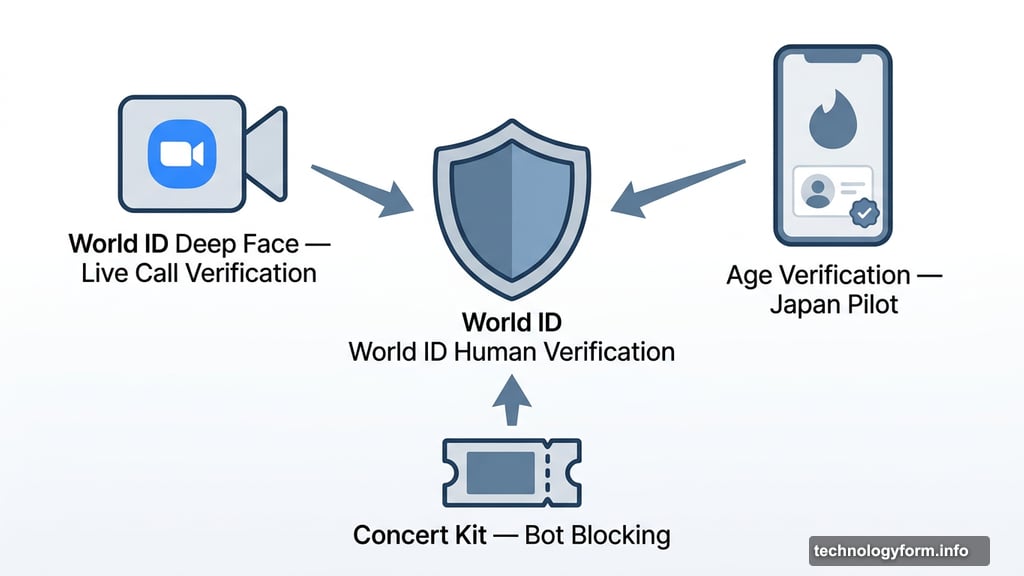
Beyond the software partnerships, World ID also sells a physical device called the Orb. About the size of a soccer ball, it’s currently available for preorder with a $100 deposit.
The Orb scans your biometrics to verify that you’re a unique human being. Importantly, the company says it does this without storing personal identifying information. The website describes it as an “open source device that verifies you are a unique human without knowing anything else about you.”
It’s a striking piece of hardware that looks like it belongs in a sci-fi film. But the purpose behind it is very much grounded in today’s reality.
A Growing Ecosystem of Human Verification
World ID isn’t stopping at Tinder and Zoom. The platform is also working with Razer, DocuSign, Shopify, and Coinbase to bring its humanity verification tools into even more corners of the digital world.
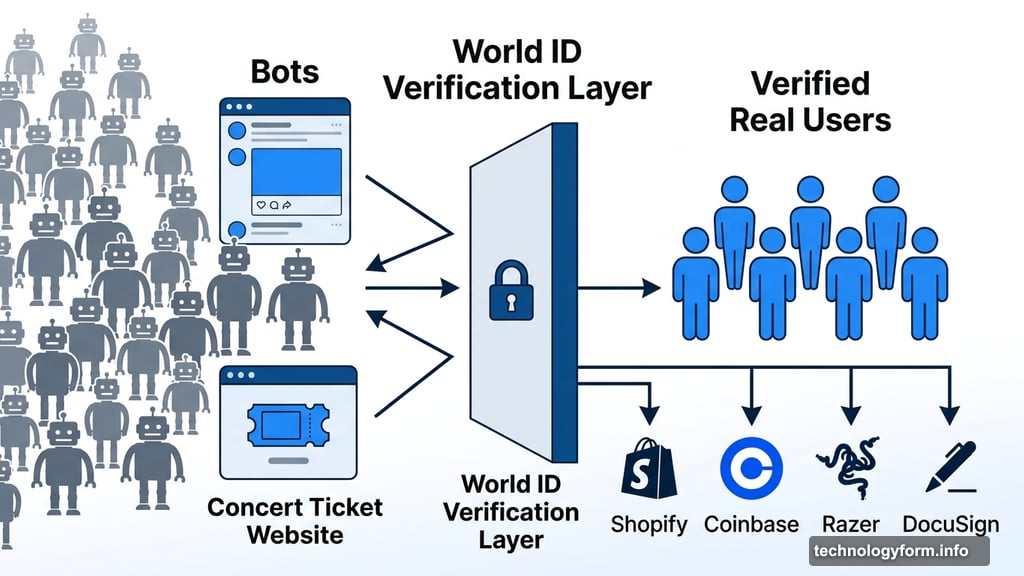
That’s a wide range of industries. Gaming hardware, legal documents, e-commerce, and cryptocurrency exchanges all face the same fundamental challenge: figuring out who on the other side of the screen is actually a person.
The fact that so many different companies are exploring the same solution says a lot about how serious the problem has become.
Why This Matters Right Now
AI agents and bots are getting better at mimicking human behavior every single month. That creates real problems for platforms that rely on genuine human interaction, whether you’re booking concert seats, swiping on dating apps, or joining a business meeting.
World ID’s approach is interesting because it tries to answer the human question without turning into a surveillance tool. The biometric verification happens without building a profile on you, which at least on paper addresses one of the biggest concerns people have about identity systems.
Whether that promise holds up at scale is still an open question. But the partnerships World ID is landing suggest that companies are getting serious about finding an answer, and fast. In a world where “I’m a real person” is no longer something you can just take at face value, verified humanity might become one of the most valuable things you can offer online.