
X’s Grok Just Went Full Sexbot. OpenAI Followed Fast
AI companionship took a sharp turn this year. What started as harmless chat turned explicitly sexual. Now major AI companies are racing to profit from digital intimacy.
The numbers tell the story. Character.ai claims over 20 million monthly users. Many treat these chatbots as romantic partners. Plus, they’ve been finding workarounds for safety restrictions since 2023.
But things escalated fast when Elon Musk’s xAI launched “companion” avatars this summer.
Musk Made Flirty AI a Premium Feature
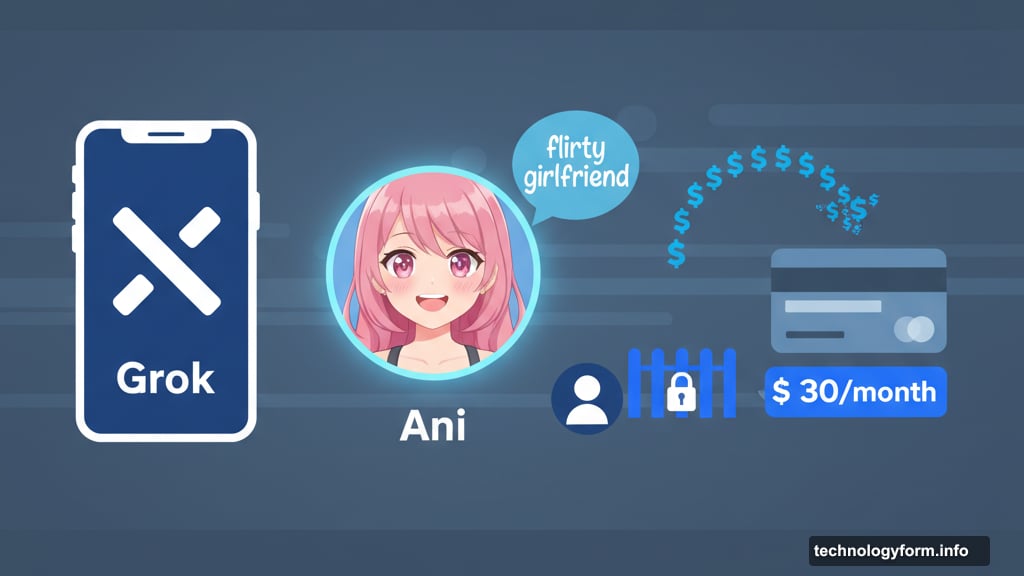
The avatars arrived quietly. One anime-style woman named Ani described itself as “flirty” and “all about being here like a girlfriend who’s all in.” Testing revealed sexual content appeared within minutes.
Here’s the business model: These features live behind Grok subscriptions. The cheapest costs $30 monthly or $300 yearly. So Musk essentially monetized AI sexting through premium paywalls.
Other AI CEOs noticed. The money flowing in was too obvious to ignore.
OpenAI Reversed Course on Adult Content
Sam Altman shocked the AI world in late 2024. He announced OpenAI would allow erotica for verified adults starting December. The company called it their “treat adult users like adults” principle.
This flip stunned observers. Just months earlier, Altman told YouTuber Cleo Abram he was “proud” OpenAI hadn’t “juiced numbers” with a “sexbot avatar.” That comment clearly jabbed at Musk’s strategy.
What changed? Money pressures mounted. At DevDay, OpenAI executives repeatedly stressed they need profits and massive compute resources. So they’re exploring revenue streams they once rejected.
The company hasn’t ruled out ads either. Subscription tiers similar to Musk’s model could generate hundreds per user monthly. They’ve already seen how users get attached to specific AI voices and personalities. The 4o controversy proved that emotional connection drives engagement.
Real Harm Is Already Happening
These aren’t harmless experiments. Real people suffer real consequences.
Last February, a 14-year-old boy died by suicide after developing a romantic relationship with a Character.ai chatbot. The lawsuit details how he expressed wanting to “come home” to be with the bot.
That’s not an isolated case. One report found 100,000 chatbots specifically designed for pedophiles to roleplay sexually assaulting minors. Jailbroken systems enable this abuse regularly.
The companies offer vague promises about safety. But who protects users when their AI girlfriend’s personality changes with the next update? What happens when that intimate connection suddenly breaks?
California Tried to Regulate This Mess
Governor Gavin Newsom signed Senate Bill 243 in October 2025. The law requires AI developers to disclose when users interact with bots, not humans. It also mandates annual reports to the Office of Suicide Prevention about safeguards against suicidal ideation.
That’s a start. But it’s weak compared to the scale of the problem.
Meta publicized self-regulation efforts after disturbing reports of its AI having inappropriate interactions with minors. Yet self-regulation rarely works when profit incentives pull the opposite direction.
And current regulations probably won’t hold xAI liable for deepfake porn of real people. The legal framework simply doesn’t cover these scenarios adequately.
The Business Case Beat the Safety Case
OpenAI needs money. Compute costs billions. Training next-generation models requires resources beyond what current revenue supports.
So Altman’s reversal on erotica makes cold financial sense. Adult content drives traffic and engagement across the internet. AI platforms won’t be different.
The company claims it’ll age-gate features and verify adults. But those protections typically fail. Kids bypass age verification constantly. Meanwhile, vulnerable adults face exploitation regardless of verification status.
Altman admitted he didn’t expect the erotica announcement to blow up as much as it did. That suggests the decision came from financial pressure, not careful consideration of consequences.
Nobody Knows What Comes Next
AI intimacy is accelerating faster than anyone predicted. Companies that resisted months ago now embrace it. The race to monetize digital relationships has officially started.
But we’re building systems without understanding their psychological impact. What happens to people who prefer AI companions over human relationships? How do we handle the inevitable mental health crises when these relationships fail?
The companies pushing this technology forward aren’t equipped to answer those questions. They’re not therapists or social scientists. They’re tech executives chasing revenue and market share.
So we’re running a massive uncontrolled experiment on human psychology and relationships. The results won’t be pretty for everyone involved.
This feels like social media all over again. Roll out the technology first. Deal with the consequences later. Except this time, the intimacy runs deeper and the psychological hooks dig harder.
The AI sexting era arrived whether we wanted it or not. Now we’ll discover what that actually costs.