DeepSeek’s New V4 Models Bring 1 Million Token Context to Open-Source AI
DeepSeek is back, and it’s making some bold claims about its newest models.
Just over a year after the Chinese AI lab took the world by surprise and shot to the top of Apple’s App Store charts, DeepSeek has released two new models: V4 Pro and V4 Flash. And the headline feature is genuinely impressive — a 1 million token context window, available in an open-source package.
“Welcome to the era of cost-effective 1 million context length,” the company said in its announcement.
What a 1 Million Token Context Window Means for You
Context length might sound like dry technical jargon, but it’s actually one of the most practical specs you can look at when comparing AI models.
Think of it like working memory. The bigger the context window, the more of your conversation the AI can actually hold in mind at once. So instead of “forgetting” what you said 20 messages ago, a model with a huge context window stays coherent and consistent across long, complex sessions.
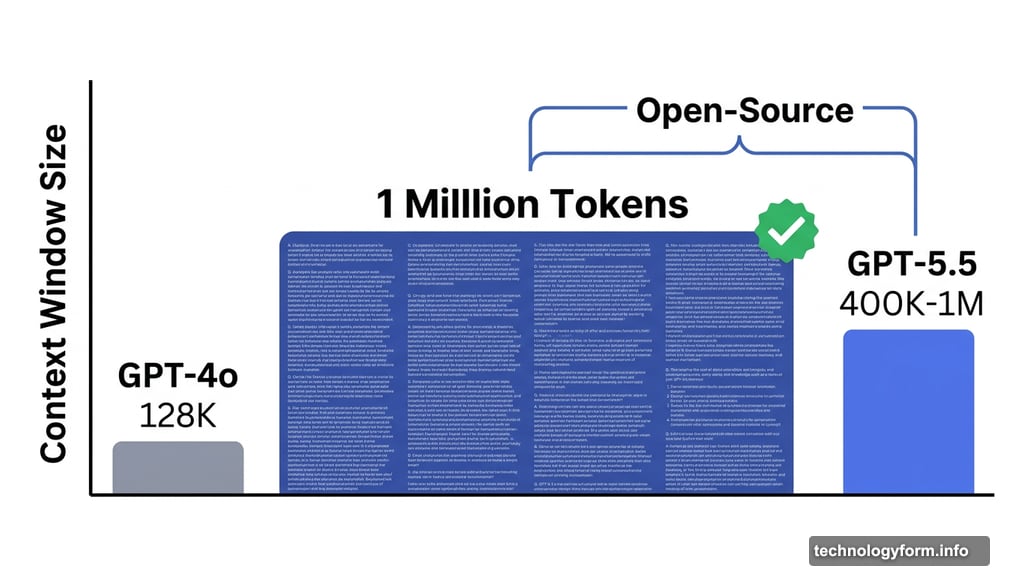
For comparison, OpenAI’s recently announced GPT-5.5 offers a context window ranging from 400,000 to 1 million tokens. DeepSeek is now playing in the same league — which is notable for an open-source model that anyone can download and modify freely.
V4 Pro vs V4 Flash: Two Models, Two Priorities
DeepSeek didn’t release just one model. Instead, it launched two versions built for different needs.
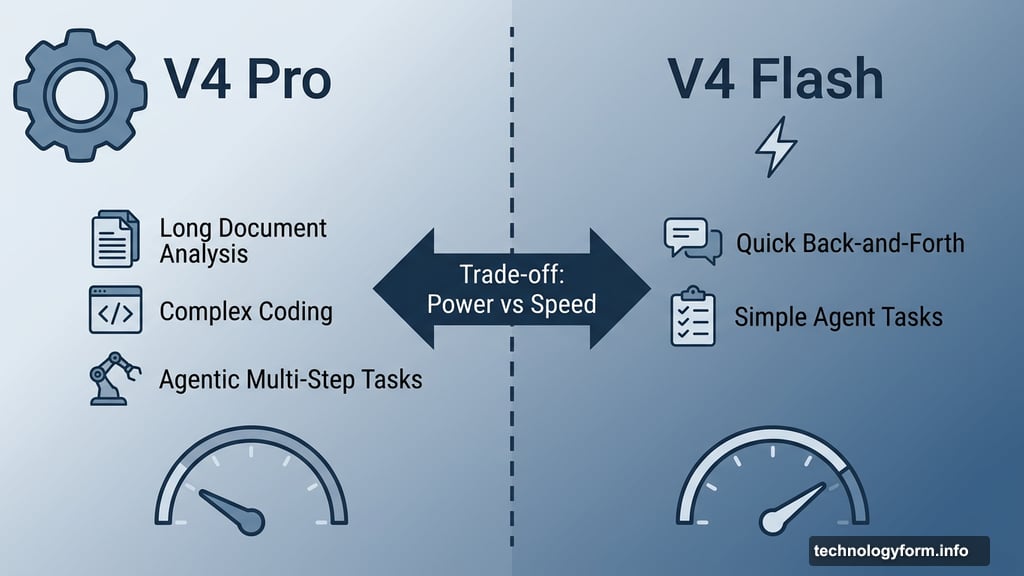
V4 Pro is the powerhouse. DeepSeek claims its reasoning abilities rival top closed-source models — meaning the likes of GPT-4o and Claude Opus. The company also says V4 Pro trails only Google’s Gemini 2.5 Pro when it comes to rich world knowledge, which is a genuinely confident claim. Plus, it comes with enhanced agentic capabilities, meaning it can handle complex, multi-step tasks more effectively.
V4 Flash is a different story. It’s not quite as powerful on paper, but it’s faster. DeepSeek says Flash’s reasoning abilities closely approach V4 Pro’s, and it performs on par with the Pro version on simpler agent tasks. So if you need quick responses without sacrificing much reasoning quality, Flash is worth a look.
The choice between them really comes down to what you’re doing. Heavy research, long document analysis, or complex coding projects? Go Pro. Quick back-and-forth tasks where speed matters more than raw power? Flash makes more sense.
Still Open-Source, Still Controversial
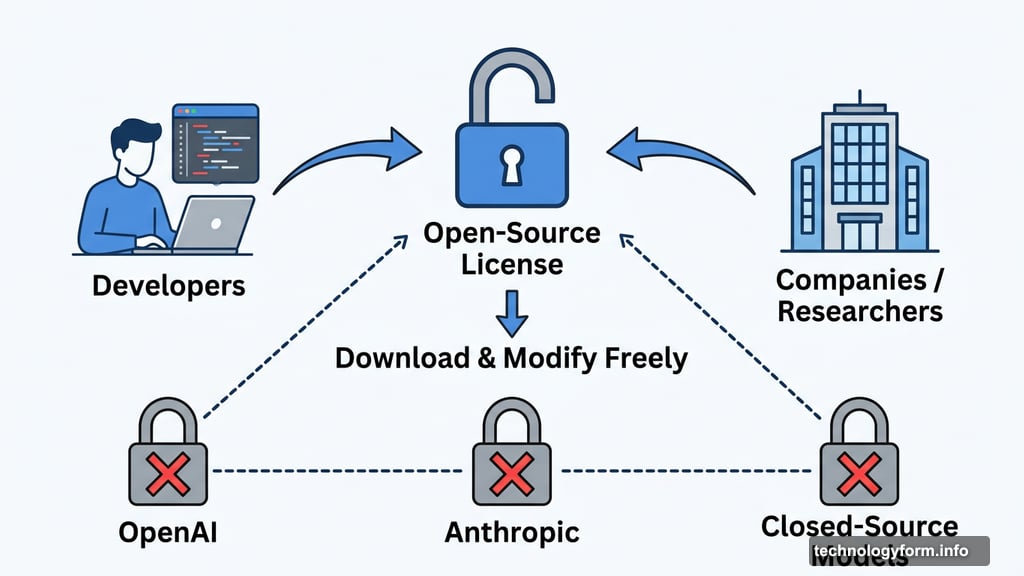
One of DeepSeek’s biggest advantages has always been its open-source approach. Unlike OpenAI or Anthropic, DeepSeek lets users download the underlying code and modify it however they want. That’s a big deal for developers, researchers, and companies that want to run AI on their own infrastructure.
But the controversy around DeepSeek hasn’t gone anywhere either.
Shortly after the original DeepSeek model went viral in early 2024, US federal agencies banned it from government devices over national security concerns. Authorities worried about potential risks tied to its Chinese origins. South Korea followed with its own move, pausing app downloads over privacy concerns.
None of that appears to have slowed development. DeepSeek keeps shipping, and the V4 release shows the lab isn’t stepping back from competing at the frontier level.
Should You Pay Attention to DeepSeek’s Claims?
Honestly, benchmark claims from any AI company deserve healthy skepticism. “Rivals top closed-source models” is exactly what every lab says when launching a new model. Real-world performance often tells a more complicated story.
That said, DeepSeek earned credibility the hard way — by releasing models that actually performed surprisingly well relative to their cost and openness. The original DeepSeek-R1 genuinely impressed a lot of developers who tested it seriously. So there’s reason to at least take V4 Pro for a spin before dismissing the claims.
If you’re already using open-source AI tools in your workflow, V4 Pro and V4 Flash are worth experimenting with. The 1 million token context window alone makes them interesting options for anyone dealing with long documents or extended coding sessions. Whether they truly rival the best closed-source models is something the community will sort out through real-world testing over the coming weeks.