YouTube Just Purged 3,000 Fake Gaming Videos That Spread Malware
Thousands of YouTube videos promising free game hacks and cracked software vanished overnight. They weren’t just scam content. They were part of a massive malware distribution network.
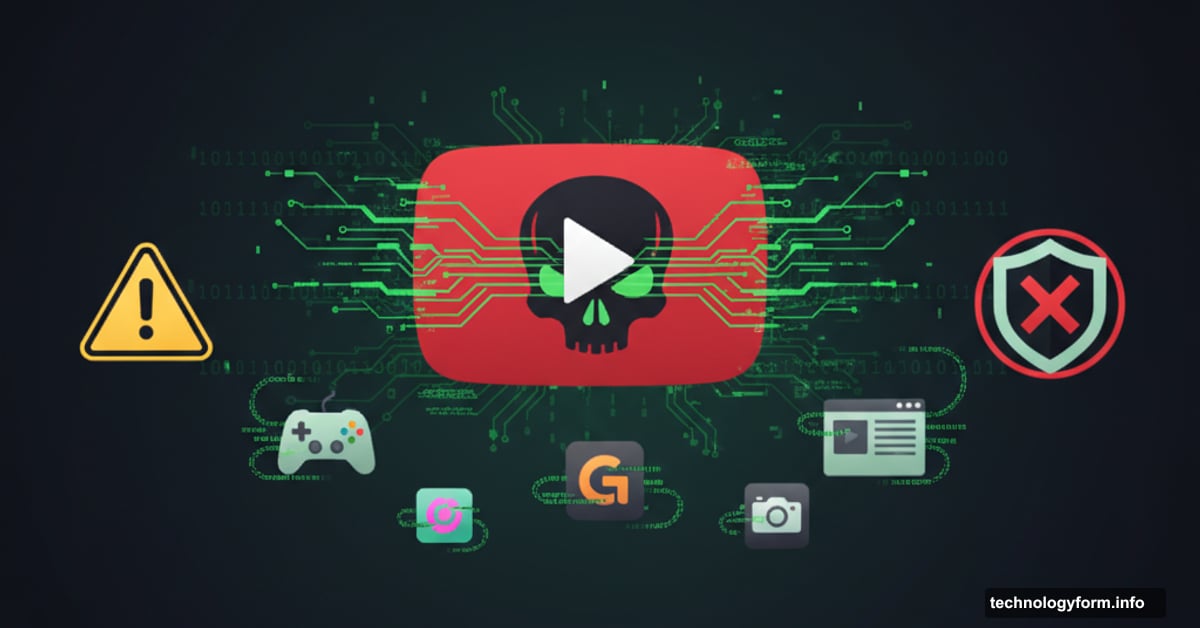
Check Point Research discovered what they call the “YouTube Ghost Network” – a coordinated campaign of malicious videos that exploited YouTube’s recommendation system to spread dangerous malware. These videos looked legitimate, accumulated hundreds of thousands of views, and fooled countless users into downloading infected software.
The scale is alarming. But what’s worse is how sophisticated the operation became.
How the Scam Actually Worked
These weren’t obvious spam videos with broken English and sketchy thumbnails. The Ghost Network created polished content that mimicked legitimate software tutorials.
Most videos fell into two categories: game hacks and software cracks. Both topics attract massive audiences willing to download files. Plus, both involve technically illegal content, making victims less likely to report problems.
One Adobe Photoshop crack video accumulated 293,000 views. Another targeting FL Studio reached 147,000 views. Both featured dozens of comments and appeared entirely legitimate based on engagement metrics.
Here’s the clever part. The network used multiple account types working together. Some accounts uploaded malicious videos. Others exclusively liked, commented, and subscribed to build credibility. A third group posted positive updates and fake success stories in comment sections.
This created an artificial trust ecosystem. Viewers saw high view counts and positive comments, naturally assuming the content was safe. That’s exactly what the attackers wanted.
The Malware Behind the Videos
The Ghost Network distributed three notorious malware strains through these fake downloads.
Rhadamanthys, Lumma stealer, and RedLine infostealers all made appearances. These tools steal passwords, cryptocurrency wallets, browser data, and sensitive files. Once installed, they silently harvest everything valuable from infected computers.
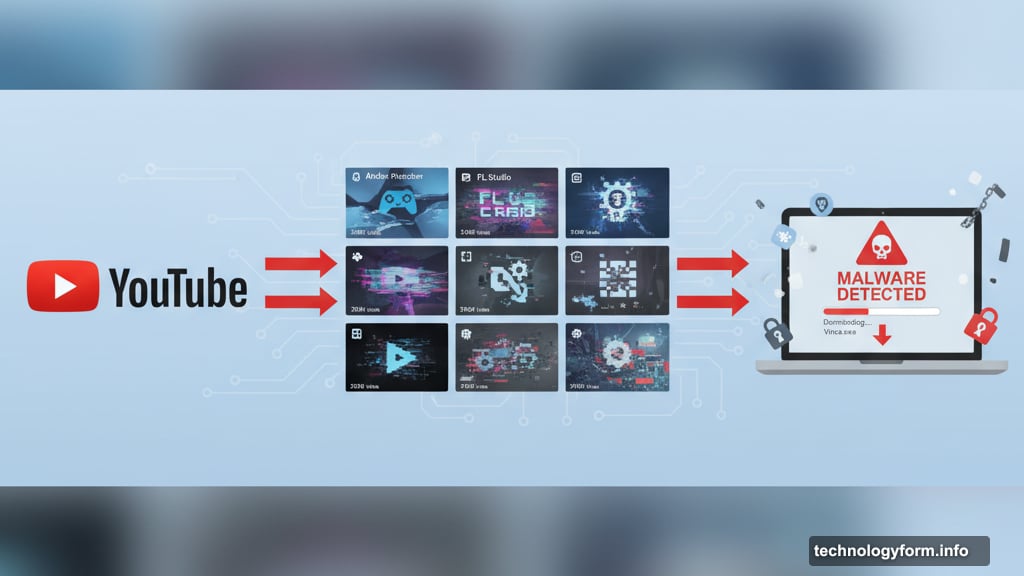
Infostealers represent a growing threat. Unlike ransomware that announces itself immediately, these programs operate invisibly for weeks or months. Victims rarely know they’re compromised until their accounts get drained or credentials appear in dark web marketplaces.
The Ghost Network specifically targeted users seeking pirated software. These individuals already operate in legally gray areas, making them perfect victims. They’re less likely to report infections and more willing to disable security software during installation.
Check Point traces this network back to at least 2021. But activity exploded in 2025, with video creation tripling compared to previous years. That suggests the operation became more profitable and scalable over time.
Trust Indicators Don’t Work Anymore
YouTube’s traditional trust signals failed completely against this campaign.
High view counts used to indicate safe content. So did positive comments and subscriber engagement. But when up to 50% of internet traffic comes from bots, those metrics mean nothing.
The Ghost Network proved that attackers can manufacture legitimacy at scale. They created entire ecosystems of fake accounts that behaved like real users. Even cautious viewers got fooled by the appearance of community approval.
Social media platforms face an impossible challenge. They need to encourage engagement while preventing coordinated manipulation. YouTube’s algorithm rewards popular content, which creates opportunities for attackers who understand how to game the system.
Similar campaigns appeared on Reddit and WeTransfer earlier in 2025. The Lumma malware showed up across multiple platforms, suggesting these operations share tactics or infrastructure. That coordination makes them harder to stop.
Why This Keeps Happening
Pirated software remains incredibly popular despite the risks. Millions of people search for free alternatives to expensive programs every day.
Attackers know this. So they position themselves exactly where desperate users look for cracked software. The strategy works because people seeking illegal downloads already accept some risk in exchange for free software.
But the real problem runs deeper. Software prices push many users toward piracy. A legitimate Adobe Creative Cloud subscription costs hundreds annually. FL Studio runs $199 for the cheapest version. Many people simply can’t afford these tools for occasional use.
That economic reality creates demand. Attackers exploit that demand with fake solutions. Then victims suffer the consequences while software companies and platforms play catch-up.
Google removed these 3,000 videos after Check Point reported them. But the Ghost Network likely continues operating under new accounts. The fundamental incentives haven’t changed.
How to Avoid These Traps
Never download cracked software. Period. The risks far outweigh any cost savings.
If you absolutely need expensive software, look for legitimate alternatives. Many companies offer student discounts, free tiers, or monthly subscriptions that cost less than dealing with malware infections.
Open source alternatives exist for most commercial software. GIMP replaces Photoshop for many tasks. Ardour works for audio production. LibreOffice handles documents and spreadsheets. These free tools aren’t perfect, but they’re infinitely safer than downloading mysterious files from YouTube.
Watch for fake engagement patterns. Lots of generic positive comments without specific details often indicate bot activity. Real users typically mention specific features or share actual experiences, not just “this worked great!”
Use antivirus software that catches infostealers. Not all security tools detect these threats effectively. Research which products specifically protect against credential theft and data exfiltration.
Most importantly, remember that free rarely means free. Someone always pays the cost. With cracked software, that someone is you when your accounts get emptied or identity gets stolen.
The YouTube Ghost Network succeeded because it understood human nature. People want free things. They trust popular content. They believe positive comments from strangers.
Those instincts made sense when the internet was smaller. Now they’re liabilities that attackers exploit ruthlessly. Stay skeptical, even when content looks legitimate.