Sora Lands on Android With New Cameo Tools and Video Editor
OpenAI just dropped Sora on Android. Finally.
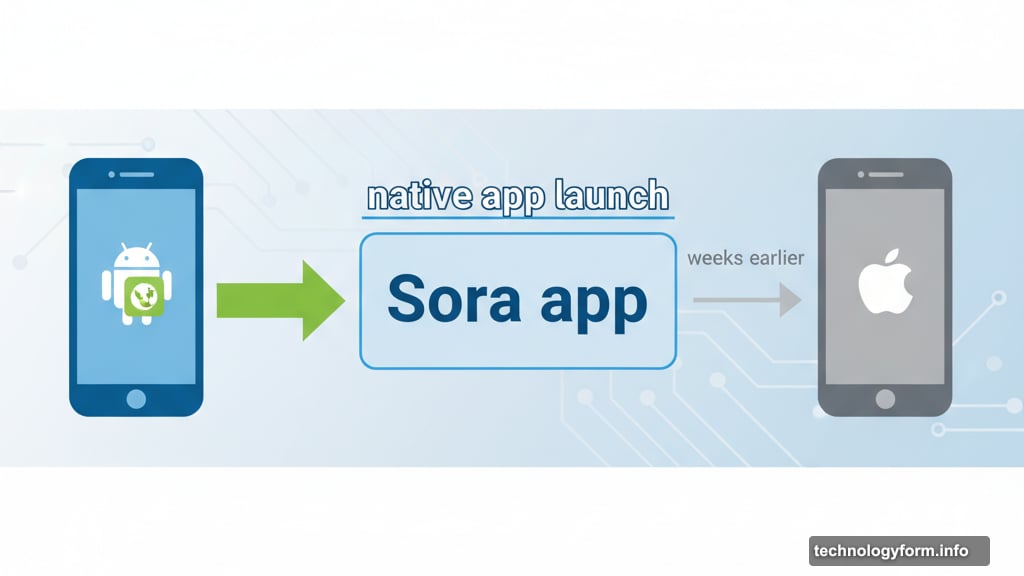
After weeks of iOS-only exclusivity, the AI video app now works natively on Android phones. That means no more clunky web browser workarounds. Plus, OpenAI packed in several new features that transform Sora from a quirky video generator into something resembling actual creative software.
But here’s what matters most. These updates reveal OpenAI’s real strategy for Sora. They’re not just chasing viral moments anymore. They’re building tools for serious creators.
Your Pet Can Star in AI Videos Now
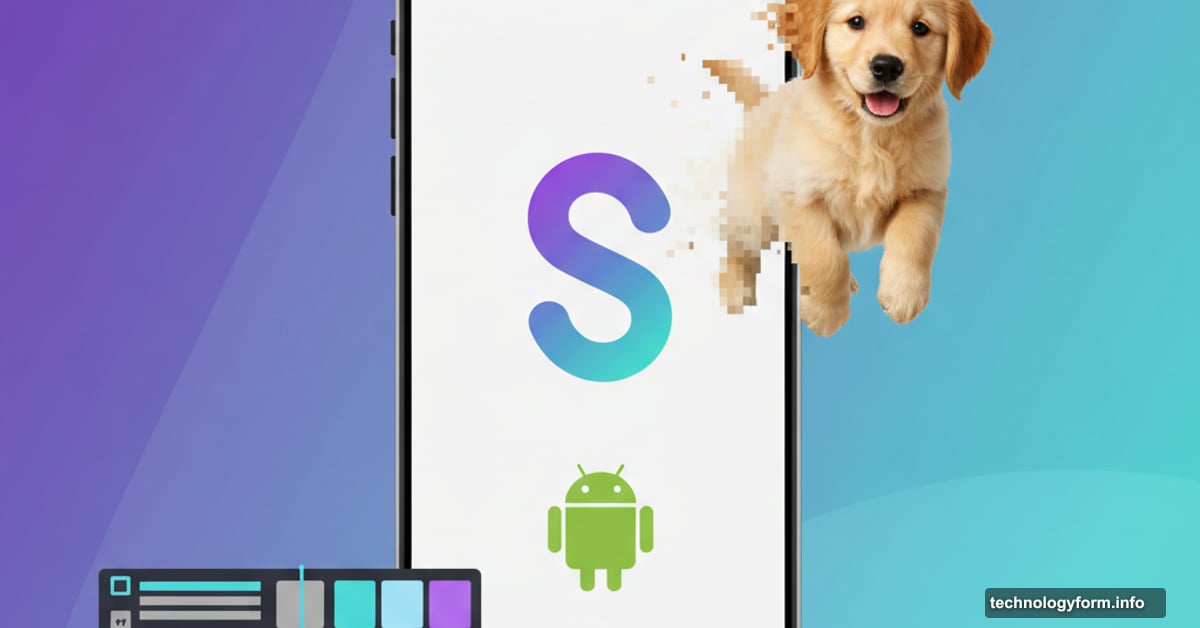
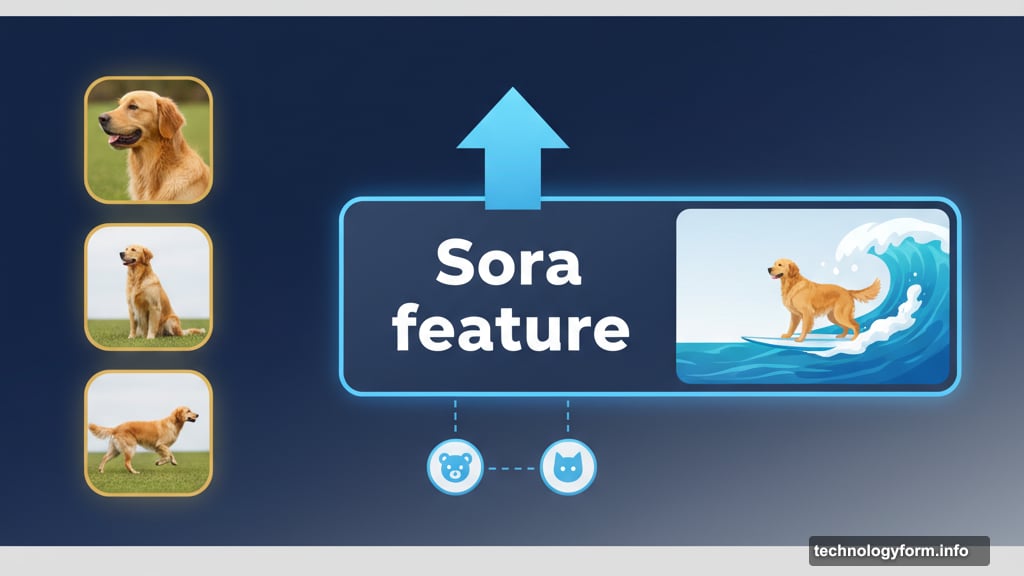
Sora’s cameo feature just expanded beyond human faces. Now you can feature your dog, cat, guinea pig, or even your favorite stuffed animal in AI-generated videos.
This matters more than it sounds. Previously, cameo only worked with people’s likenesses. That limited creative options significantly. But animals and objects open up entirely new possibilities for content creation.
The feature works exactly like human cameos. Upload a few photos of your pet or object. Then prompt Sora to place them in various scenarios. Your golden retriever can surf waves or your teddy bear can explore space stations.
OpenAI also added generated characters from existing Sora videos. So you can borrow characters other users created and remix them into your own content. Several Halloween-themed characters arrived recently, suggesting seasonal character drops might become regular.
Plus, the generation interface now highlights trending cameos in real-time. Think of it like Instagram’s Explore page but for AI video subjects. This social element encourages remixing popular characters rather than starting from scratch every time.
Basic Video Editing Finally Arrives
Sora now lets you stitch clips together directly in the app. This sounds simple. But it represents a massive shift in how OpenAI envisions Sora’s purpose.
Until now, Sora produced standalone clips. Each generation existed independently. You couldn’t combine them without exporting to another app. That made creating longer narratives nearly impossible within Sora itself.
The new editing tools change that calculation. You can now plan multi-shot sequences entirely within Sora. Moreover, OpenAI hints that more advanced editing features are coming soon. This suggests they’re building toward a full creative suite.
Why does this matter? Professional creators need editing capabilities. They won’t adopt Sora seriously without them. So OpenAI is clearly courting a different audience than casual users making funny clips.
However, the current editing tools remain basic. You can stitch clips together. That’s about it. No trimming individual clips, adjusting timing, or adding transitions yet. But those features seem inevitable given OpenAI’s stated direction.
Social Features Get More Personal
OpenAI is testing community-focused features beyond the global feed. That could mean channels for universities, workplaces, hobbies, or sports teams.
This addresses a real problem with Sora’s current design. The global feed feels chaotic and impersonal. You see random videos from strangers worldwide. But you can’t easily share videos with specific groups of friends or colleagues.
Community channels would fix that issue. Instead of broadcasting to everyone, you could share videos with people who actually care about your content. Your college friends could have a channel. Your coworkers could have another. Your hiking group could have yet another.
This mirrors how people actually use social media. Nobody posts everything to a single public feed anymore. Instead, they share different content with different audiences through group chats, Stories, or private accounts.
So Sora is finally catching up to how social media actually works in 2025. Plus, localized communities could reduce the feeling that Sora is just an endless stream of AI-generated chaos.
Longer Videos Cost More Now
Free users can make 15-second videos on iPhone and web. Pro users get 35 seconds on web. But if you hit your daily generation limit, you can pay $4 for 10 additional videos.
This pay-per-video model is new for Sora. Previously, you had daily limits based on your plan. Free users got 30 videos per day. Pro users got 100. Once you hit that limit, you waited until tomorrow.
Now you have the option to keep creating immediately by paying extra. It’s a straightforward monetization strategy. But it also reveals something important about OpenAI’s business model.
They’re betting that power users will regularly exceed their daily limits. Those users represent the revenue opportunity. Casual users might never pay extra. But serious creators could easily spend hundreds monthly on additional generations.
Your Sora account links directly to your ChatGPT account. So if you pay for ChatGPT Pro, you’re automatically a paying Sora user. This integration suggests OpenAI views their AI products as a unified ecosystem rather than separate services.
Pro Users Get Hollywood-Style Storyboards
Storyboarding arrived exclusively for Pro users on web. This feature lets you plan entire videos before generating them.
Storyboarding is standard practice in professional filmmaking. Directors sketch out each shot before filming. This planning prevents wasted effort and ensures creative vision translates to the final product.
But it’s unusual to see storyboarding in a consumer app. Most social media video tools skip this step entirely. They assume users want quick, spontaneous content rather than carefully planned productions.
So why did OpenAI add storyboarding? Because they’re chasing professional creators. Google’s AI filmmaking program Flow already includes storyboarding. OpenAI needs to match those capabilities to compete for serious users.
This professional pivot is happening fast. Just weeks ago, Sora felt like a toy for making funny clips with friends. Now it’s acquiring features that filmmakers actually use.
However, most Sora users won’t care about storyboarding. The app’s current vibe centers on short, casual videos. Professional-grade productions remain rare. But these tools suggest OpenAI is preparing for a different kind of creator.
The Real Strategy Behind These Updates
OpenAI is rebuilding Sora’s identity from scratch. They initially positioned it as a fun social app for sharing AI videos with friends. But that vision is shifting toward professional content creation tools.
The evidence is everywhere. Longer video limits. Video editing features. Storyboarding for complex productions. These aren’t features casual users requested. They’re features professionals need.
This makes sense strategically. The casual user market is crowded and difficult to monetize. TikTok, Instagram, and YouTube Shorts already dominate short-form video. Sora can’t compete directly with those platforms.
But the professional creator market is different. Those users need sophisticated tools and are willing to pay for them. Adobe, Final Cut Pro, and DaVinci Resolve prove that professional creators spend serious money on video software.
So OpenAI is betting they can carve out a niche as “AI-powered video production software” rather than “another social media app.” The recent updates all support this repositioning.
Whether it works depends on execution. Professional creators care deeply about quality, reliability, and control. Sora’s AI generation is still unpredictable. Plus, many professional creators remain skeptical of AI tools generally.
But OpenAI is moving quickly. They’re addressing creator needs faster than expected. The Android app, editing tools, and storyboarding all arrived within weeks of each other. This velocity suggests they’re serious about winning over professional users.
The question is whether Sora can deliver production-quality results consistently. Fun viral clips are one thing. Reliable professional tools are another. OpenAI has their work cut out for them.