Google’s Gemini Just Got Scary Good at Digging Through Your Digital Life
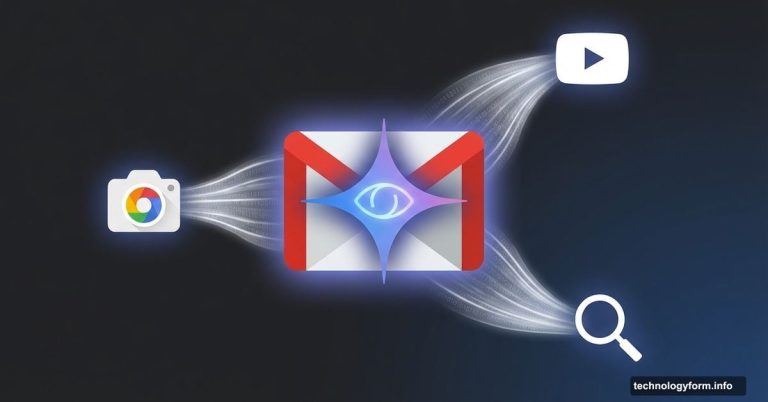
Google’s AI research tool can now read your emails. And your documents. And everything else you’ve ever saved to Drive.
Deep Research launched in March as Gemini‘s feature for creating comprehensive reports on complex topics. Back then, it only pulled from public web sources. Now it can mine your entire Google workspace for information. Plus, it’s available to everyone, not just paid subscribers.
This changes how AI interacts with your personal data. Let’s break down what just happened and why it matters for your privacy.
What Deep Research Actually Does Now
Deep Research writes reports by combining multiple sources into organized summaries. Think of it as having an assistant who reads hundreds of articles and documents, then compiles the key findings into one coherent report.
The original version searched the public web. Useful, but limited. Most people’s valuable information lives in private spaces like email threads, work documents, and chat conversations.
Now Gemini can access all of that. Gmail messages from years ago. Every spreadsheet in your Drive. Chat history with colleagues. Even buried PDFs you forgot existed.
So when you ask for a marketing analysis, Gemini doesn’t just pull generic industry data. It references your team’s notes, your competitive research, and actual conversations about strategy. The result is genuinely personalized rather than generic web summaries.
The Privacy Controls You Need to Know
Here’s the critical part. You control which services Gemini can access.
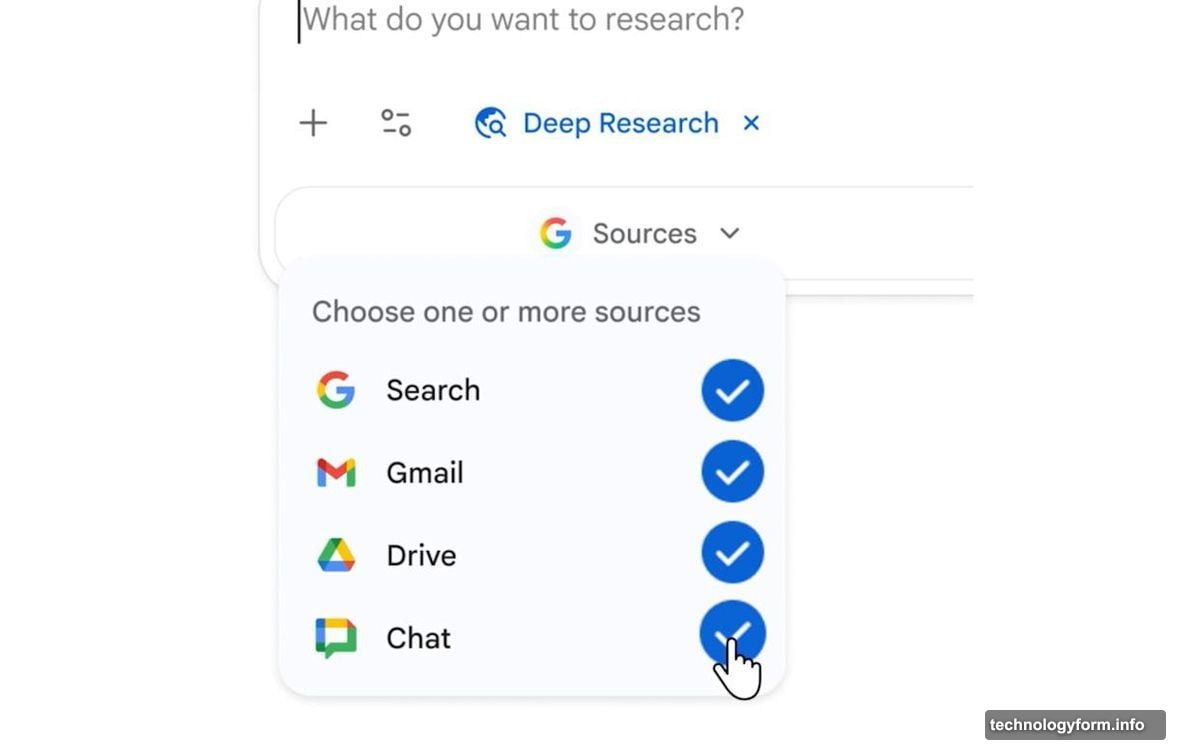
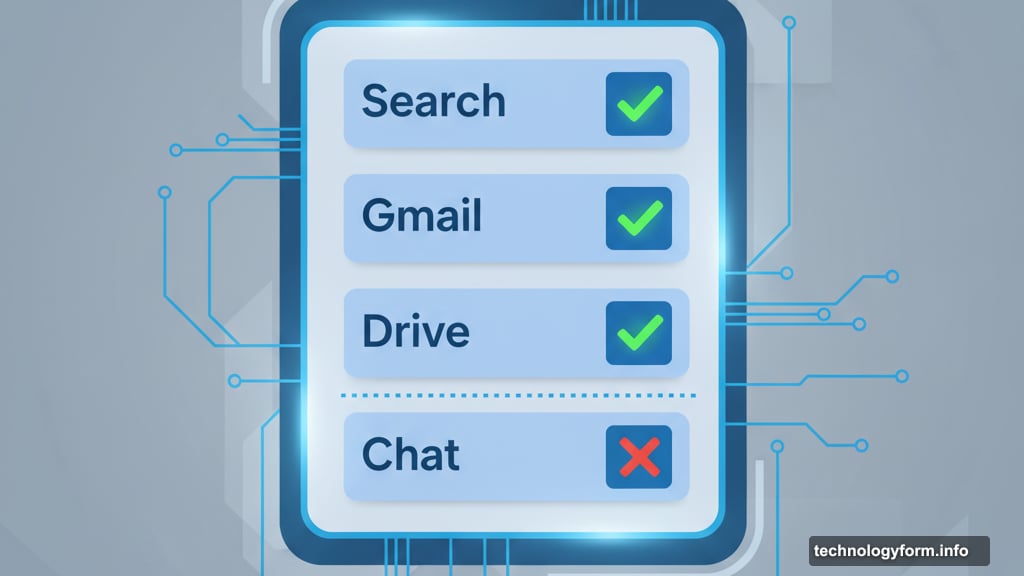
Google added a dropdown menu in the Deep Research interface. You’ll see checkboxes for Search, Gmail, Drive, and Chat. Each one toggles independently. That means you can give Gemini access to Drive documents without opening up your email history.
This matters because different people have different comfort levels. Some won’t mind AI reading work emails. Others keep sensitive personal correspondence mixed with business messages. The granular controls let you set boundaries.
However, remember this runs on Google’s servers. Once you grant access, Gemini processes your private information to generate reports. Google says it follows standard data protection policies. But you’re still letting an AI system analyze potentially sensitive content.
Moreover, there’s no partial access within services. If you enable Gmail, Gemini can theoretically read every message in your account. Not just work emails from the past month. Everything going back years.
How Companies Might Actually Use This
Cross-referencing personal and public data creates powerful possibilities for business analysis.
Take competitor research. You could ask Gemini to compare your company’s product roadmap against competitors’ public announcements. It would pull your internal planning docs from Drive and match them against press releases and industry reports from the web.
Or consider market analysis. Sales teams often have pricing negotiations scattered across dozens of email threads. Gemini could analyze all those conversations, spot patterns, and identify which objections come up most frequently. Then compare that against public pricing data from competitors.
Budget planning becomes easier too. Finance teams could have Gemini review past years’ spending from Drive spreadsheets, then research current market rates for services. The AI creates a comparison showing where costs increased beyond industry trends.
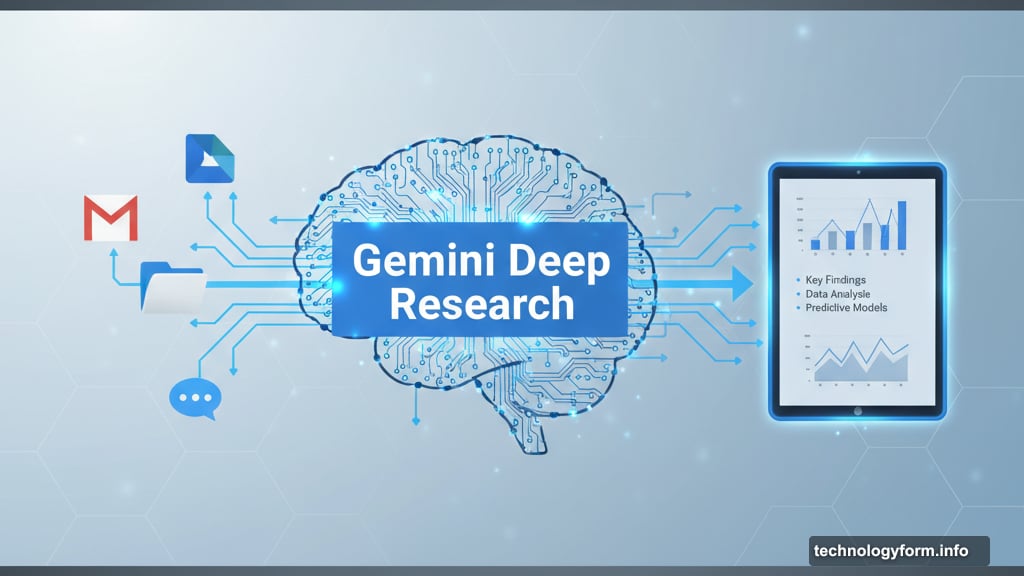
These use cases work because Gemini connects private context with public data. Generic AI tools can’t do that. They only see what’s publicly available.
The Desktop-Only Limitation Won’t Last
Right now, Deep Research with personal data access only works on desktop browsers. Mobile support is “coming in the next few days” according to Google.
That’s probably intentional. Desktop interfaces give more screen space for privacy controls and settings. Users can see exactly what they’re granting access to. Mobile apps make it easier to accidentally tap through permissions without reading them.
But mobile access is inevitable. Most people live in Gmail and Drive on their phones. They’ll want AI research capabilities wherever they work. So expect the feature to hit iOS and Android very soon.
The question is whether Google will keep the same granular controls on mobile. Smartphone interfaces often simplify settings to avoid cluttered screens. Let’s hope they don’t sacrifice privacy options for cleaner design.
What This Means for Free Users
Perhaps most surprising: this isn’t locked behind Gemini Advanced. Free users get it too.
Google typically reserves powerful features for paid subscribers. Gemini Advanced costs $20 monthly. Yet Deep Research with personal data access works on free accounts. That’s unusual.
Why give it away? Probably to drive adoption and gather usage data. Google wants people comfortable with AI analyzing their information. Making it free removes the friction of a paywall.
Also, it pressures competitors. Microsoft’s Copilot offers similar features but requires Microsoft 365 subscriptions. OpenAI’s ChatGPT can’t access your emails at all without manual uploads. Google just made their tool more capable and more accessible simultaneously.
Still, free users should remember: if you’re not paying, you’re often the product. Google learns from how you use Deep Research. That data trains future AI models. Nothing necessarily wrong with that, but worth knowing.
The Broader Privacy Questions
This feature highlights an uncomfortable reality about modern AI. It works best when it knows everything about you.
Generic AI assistants give generic answers. Personalized AI needs personal data. Google, Microsoft, and Apple all push toward AI that integrates deeply with your digital life. They argue it’s more useful that way.
They’re right. An AI that can read your emails genuinely provides better research reports. But “better” and “worth the privacy tradeoff” aren’t the same thing.
Consider what happens if there’s a data breach. Or if Google changes its data retention policies. Or if governments request access to AI training data. Your emails and documents become part of an AI system that’s harder to fully control or audit.
These aren’t hypothetical concerns. They’re real tradeoffs between functionality and privacy. Each person must decide where they stand.
Deep Research with personal data access represents impressive technology. It also represents a significant step toward AI that knows you intimately. Use the privacy controls. Think about what you’re sharing. And remember you can always turn it off.
The future of AI will be deeply personal. Make sure you’re comfortable with how personal yours gets.