Anthropic Drops Opus 4.6. Here’s Why It Matters Beyond Code
Anthropic just released its most powerful model yet. And this time, coding isn’t the whole story.
Claude Opus 4.6 arrived today with a clear mission. Sure, it crushes complex development work like previous versions. But Anthropic wants this model handling your presentations, spreadsheets, and financial analysis too. That’s a significant shift in strategy.
The company calls it a “direct upgrade” from Opus 4.5. More importantly, they claim it produces near-production-ready work on the first attempt. Less iteration means faster results. That matters when you’re racing deadlines.
PowerPoint Gets the AI Treatment
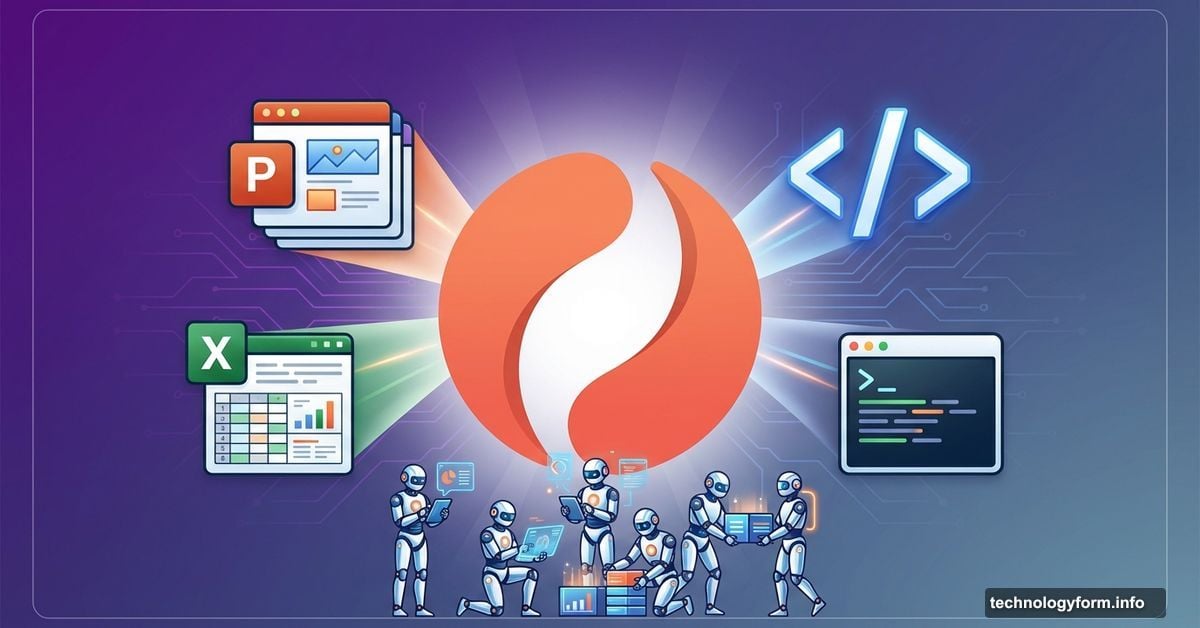
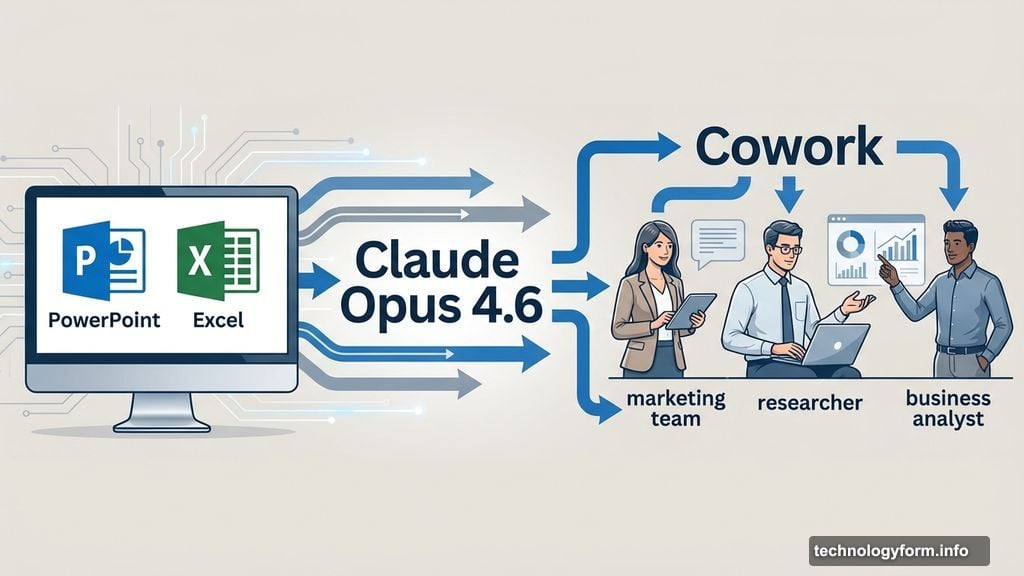
Here’s what caught my attention. Anthropic specifically invested in making Opus 4.6 better at PowerPoint and Excel work.
Why does this matter? Most AI model releases obsess over coding benchmarks. Meanwhile, millions of knowledge workers spend hours building presentations and wrangling spreadsheets. Anthropic spotted that gap.
The company also pushed its Cowork feature hard in the announcement. Think of Cowork as Claude Code for non-developers. It’s designed for marketing teams, researchers, and business analysts. Basically, anyone who doesn’t write Python for a living.
Plus, the model now offers a one-million token context window in beta. That’s massive. You can feed it entire project folders, multiple reports, or weeks of meeting notes. Then ask it to synthesize everything into a presentation deck.
Developers Still Get Major Upgrades
Don’t worry, coders. Anthropic didn’t abandon you.
Opus 4.6 specializes in long-horizon development tasks. Projects that normally take days? The company claims this model finishes them in hours. It handles everything from architecture planning to actual deployment.
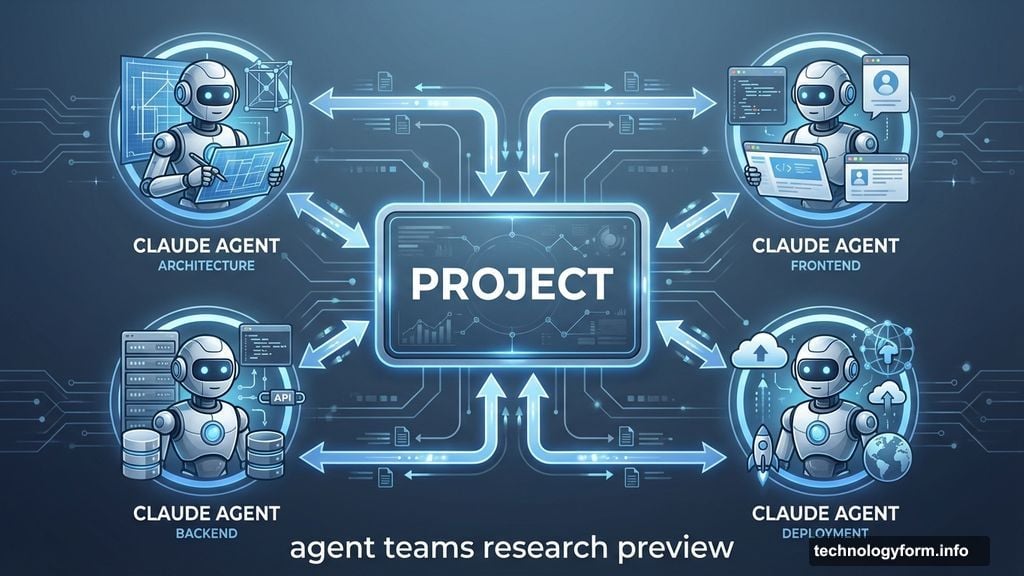
The really interesting part is “agent teams,” currently in research preview. Multiple Claude agents can now work together on one project. Each agent owns a specific component and coordinates with the others. Just like a real engineering team would operate.
Dianne Na Penn, Anthropic’s head of research product management, told The Verge they focused heavily on multi-agent experiences. Better output quality, faster speed, and improved collaboration between AI agents. That’s the technical investment behind this release.
Search and Financial Analysis Join the Mix
Anthropic highlighted two specific strengths beyond coding and document creation. Search functionality and financial analysis.
The search improvements mean Opus 4.6 can dig through massive datasets more effectively. Need to find specific information across hundreds of documents? This model supposedly handles that better than previous versions.
For financial analysis, the model can process complex spreadsheets, identify patterns, and generate insights. Investment firms and finance teams will probably test this hard. Those use cases demand accuracy and reliability.
However, Anthropic didn’t share specific benchmark numbers for these capabilities. So we’ll need to see real-world testing before declaring victory.
Safety Testing Got More Comprehensive
Anthropic claims this is their most thoroughly tested model for safety. They ran evaluations on user well-being, dangerous request refusal, and potential for secret harmful actions.
The cybersecurity angle is interesting. Opus 4.6 has stronger hacking abilities, which sounds scary. But that’s actually the point. The company included six new cybersecurity probes specifically to track potential misuse.
Think of it like this. Stronger capabilities require stronger safeguards. Anthropic knows their model can do more damage in wrong hands. So they tested extensively for vulnerabilities before release.
Still, every company says their safety testing is thorough. The real test comes when millions of users start pushing boundaries.
Same Pricing, Bigger Ambitions
Opus 4.6 costs the same as Opus 4.5. That’s smart positioning from Anthropic.
Instead of charging more for better capabilities, they’re trying to win market share. Get people using Claude for presentations and spreadsheets. Build dependency beyond just coding tasks.
OpenAI dominates general AI usage. Google has massive distribution through Workspace. Anthropic needs differentiation beyond “we’re really good at code.”
This release suggests their strategy. Build the most versatile knowledge work assistant. Not just the best coding model.
The Real Competition Starts Now
For months, Claude owned the developer mindshare. GitHub Copilot had distribution, but Claude had quality.
Now Anthropic wants more. They’re competing directly with Microsoft Copilot for Office work. Challenging Google’s Gemini integration in Workspace. Fighting OpenAI for general business applications.
That’s ambitious. Microsoft and Google have default distribution through their productivity suites. Anthropic needs to prove Claude is so much better that people switch tools.
Plus, multi-agent systems remain largely unproven at scale. The “agent teams” feature sounds incredible in theory. But coordinating multiple AI agents introduces complexity and potential failure points.
What This Means for Users
If you’re a developer, Claude Code with Opus 4.6 should handle longer, more complex projects. The multi-agent feature might speed up large codebases. But expect some roughness since it’s in research preview.
For business users, the PowerPoint and Excel improvements could save real time. Assuming the quality matches the hype. First drafts that actually work mean fewer revision cycles.
The expanded context window helps everyone. Feed Claude your entire project context upfront. Get answers that actually understand the full picture.
However, remember this is a subscription product. You’ll need Claude Pro or Team plans to access Opus 4.6. The pricing hasn’t changed, but it’s still a recurring cost.
Anthropic is making a bet. They believe AI will expand beyond coding into general knowledge work. Opus 4.6 is their opening move in that larger game.
Whether it pays off depends on execution. Can the model actually produce presentation-ready decks? Do the financial analysis features hold up under real scrutiny? Will agent teams coordinate smoothly or cause new headaches?
We’ll find out soon. The model launches today, so expect plenty of testing and feedback in coming weeks.