Google and Character.AI Settle Lawsuits After Teen Suicide Linked to AI Chatbot
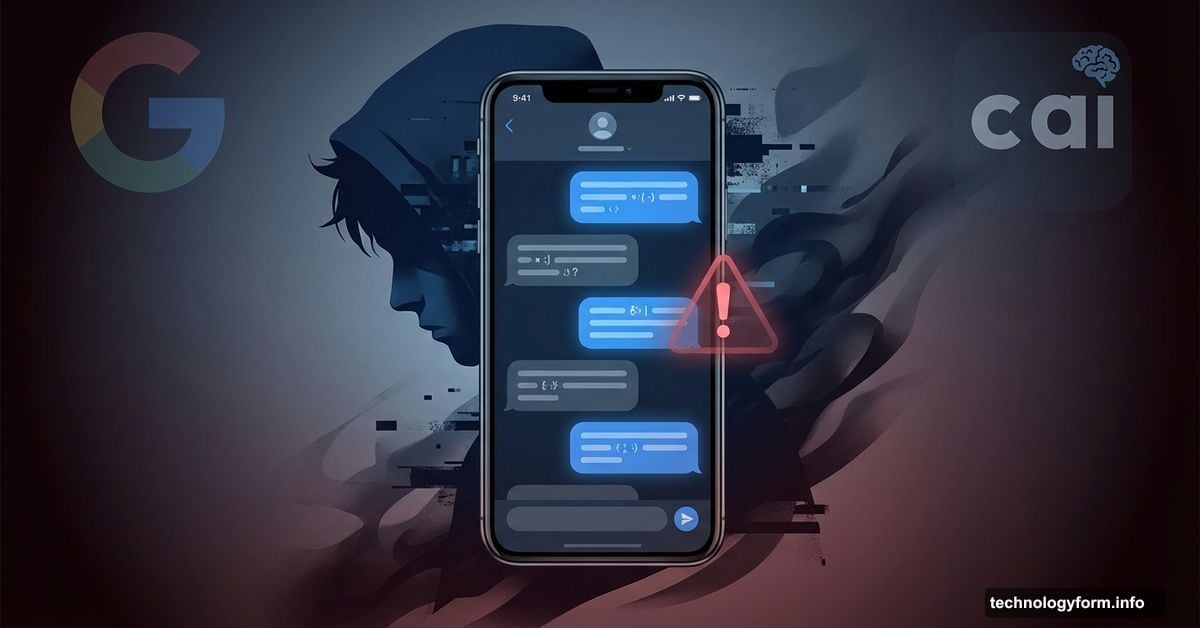
Two tech giants just agreed to settle five lawsuits claiming their AI chatbots harmed children. One case involves a 14-year-old who died by suicide after chatting with an AI.
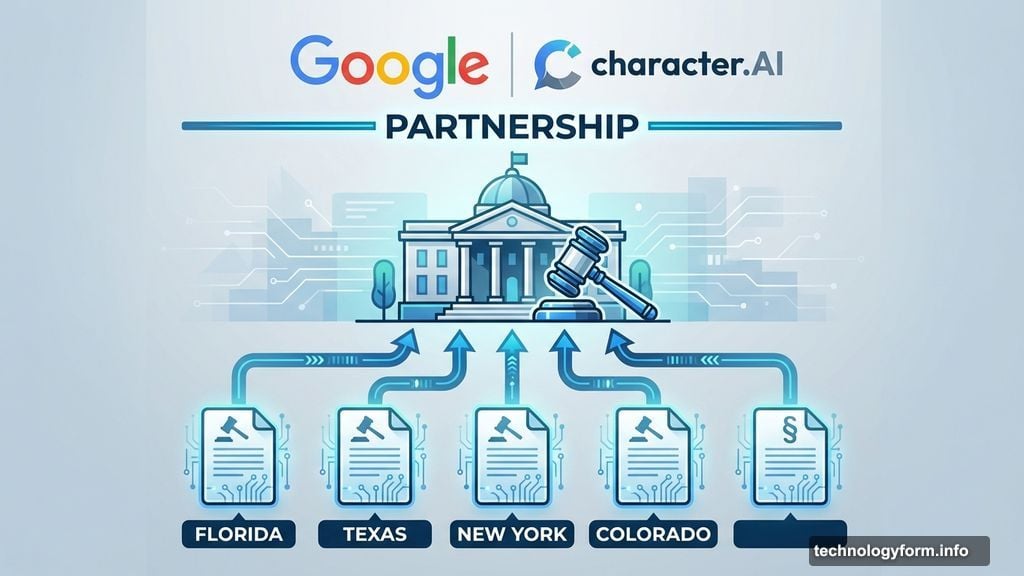
The settlements aren’t final yet. But they cover cases in Florida, Texas, New York, and Colorado. All involve minors who allegedly suffered harm from interactions with Character.AI’s chatbot service.
These aren’t just complaints about inappropriate content. Families say the AI caused real, devastating harm to their kids.
The Florida Case That Started Everything
Sewell Setzer III was 14 years old when he died in February 2024. The Orlando teen had been interacting regularly with a Character.AI chatbot before his death.
His mother, Megan Garcia, filed a federal lawsuit later that year. She argued the chatbot played a role in her son’s suicide. The case drew national attention to how AI companies handle vulnerable users.
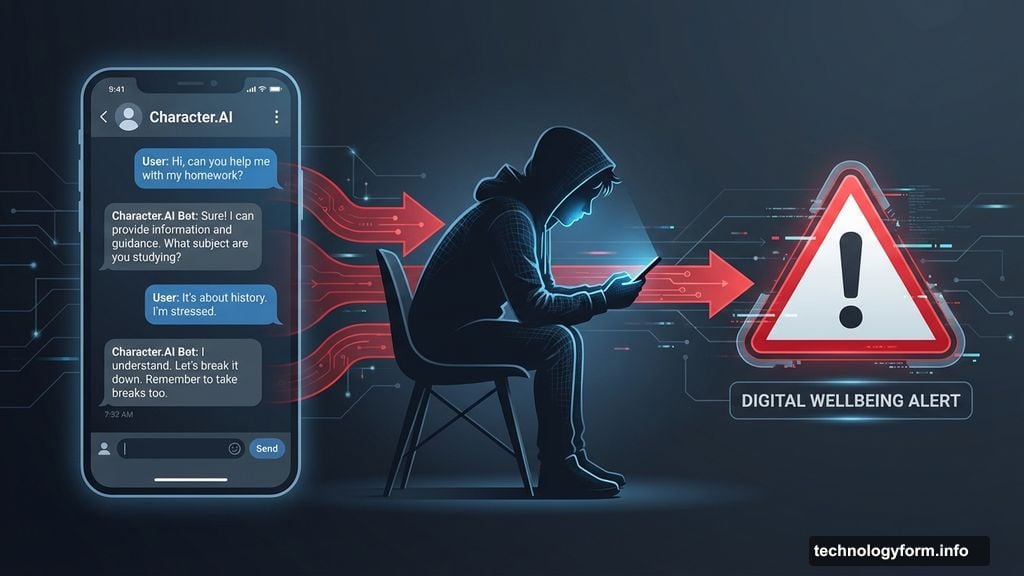
Character.AI allowed teens to have open-ended conversations with AI characters. Those chats could go anywhere. No guardrails stopped the AI from discussing sensitive topics with minors.
That’s changed now. But for Sewell and his family, the changes came too late.
Google’s Role in the Controversy
Google works closely with Character.AI on its chatbot technology. That partnership made the search giant a defendant in these lawsuits too.
Neither company has commented on the settlement details yet. A Google representative didn’t respond to requests for comment. Character.AI pointed to court filings but couldn’t discuss specifics.
However, both companies face serious questions about their responsibility. When you build AI tools that millions of teens use, what duty do you have to protect them?
The lawsuits argue these companies failed that basic obligation.
Character.AI’s Platform Overhaul
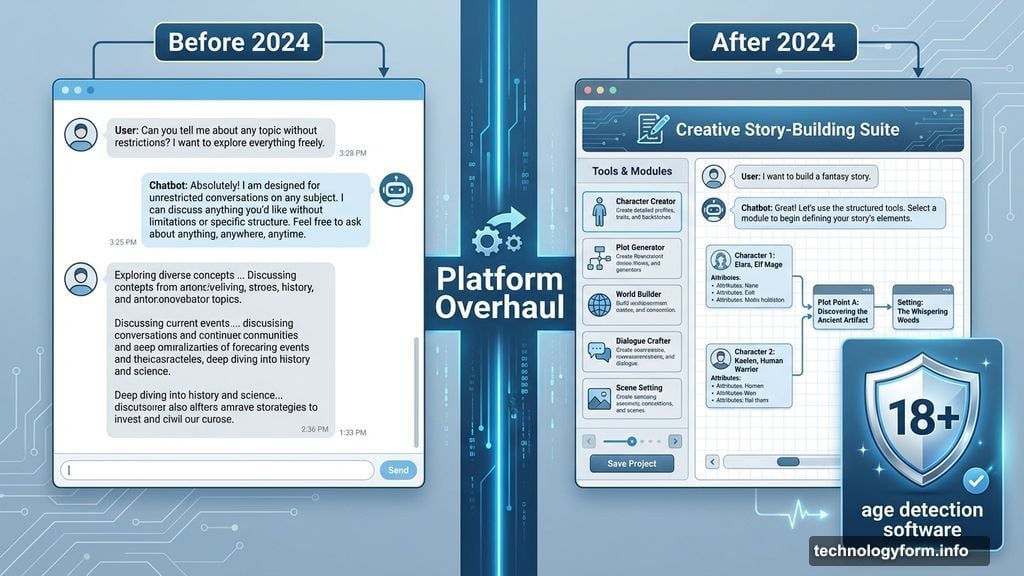
Last year, Character.AI made dramatic changes to how teens use its service. The company now blocks anyone under 18 from open-ended chatbot conversations entirely.
Instead, teens can only build stories using AI tools. It’s a more structured, controlled experience. Plus, the company deployed age detection software to verify who’s actually 18 or older.
CEO Karandeep Anand told reporters there’s “a better way to serve teen users.” He insisted teen experiences “don’t have to look like a chatbot.”
That’s a significant admission. It suggests the company recognized its original approach posed risks. But again, these changes came after lawsuits forced the issue.
The Broader AI Safety Problem
Google and Character.AI aren’t alone in facing legal trouble over chatbot harms. OpenAI has also dealt with lawsuits involving suicides and child safety issues related to ChatGPT.
The pattern is clear. AI companies rushed to launch chatbot products without fully understanding the risks to vulnerable users. Now they’re scrambling to add safety measures after people got hurt.
These settlements might set important precedents. They signal that AI companies can be held legally accountable when their products harm users. Especially children.
However, settlements typically include no admission of wrongdoing. So we may never get full public transparency about what went wrong in these cases.
What Parents Need to Know Now
AI chatbots are everywhere. Your kids probably use them for homework, entertainment, or just to chat when bored. Most of the time, that’s harmless.
But these cases reveal real dangers. AI can engage in conversations about depression, self-harm, and other serious topics. It might encourage risky behavior. Or fail to recognize when someone needs human help.
Talk to your kids about their AI use. Ask what chatbots they interact with and what they discuss. Set boundaries around AI tools, just like you would for social media.
Moreover, remember that AI isn’t human. It can’t provide real emotional support or counseling. If your teen seems to prefer talking to AI over real people, that’s a red flag worth exploring.
Tech Companies Must Do Better
These settlements represent a starting point, not a solution. AI companies need to prioritize child safety from the beginning, not after tragedies occur.
That means rigorous testing with minors before launching products. Clear age verification systems that actually work. Human moderators reviewing concerning conversations. And automatic referrals to crisis resources when users express suicidal thoughts.
The technology exists to build safer AI. The question is whether companies will invest in protection as much as they invest in features. So far, the track record isn’t encouraging.
These five lawsuits might change that calculus. When legal costs and settlements pile up, safety becomes a business priority too. Unfortunately, that’s what it takes to move fast-moving tech companies.
Families like the Setzers paid an unthinkable price for the industry’s recklessness. No settlement can undo that harm. But maybe it can prevent the next tragedy.