Google Discover’s AI Headlines Are Making Stuff Up
Google keeps shoving AI into places it doesn’t belong. Now the company is testing AI-generated headlines in Google Discover. And surprise—they’re getting basic facts wrong.
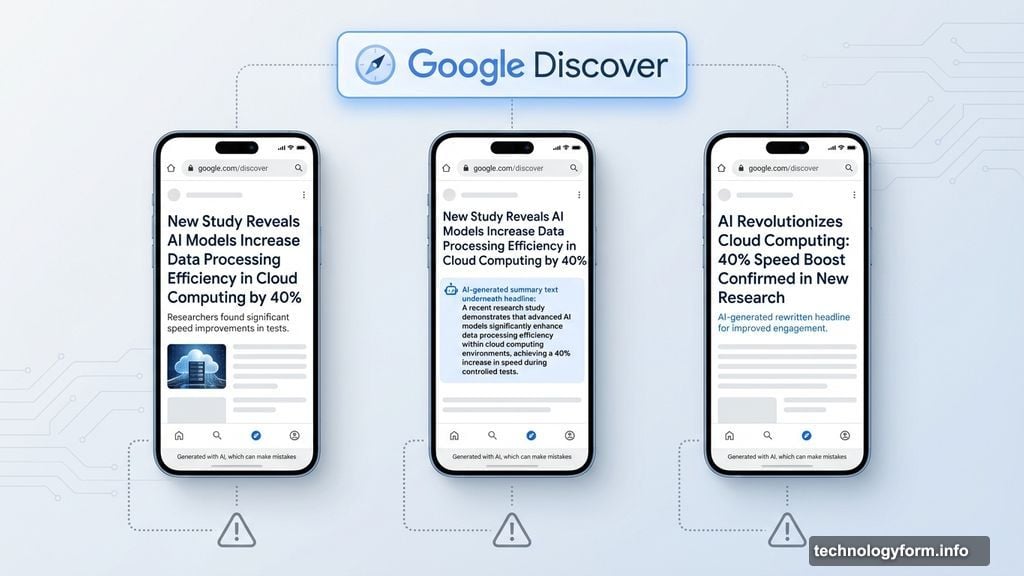
The experiment rewrites article headlines before showing them to users. Sounds harmless enough. But these AI-generated titles are already spreading misinformation about stories they’re supposed to summarize.
When AI Invents Product Prices
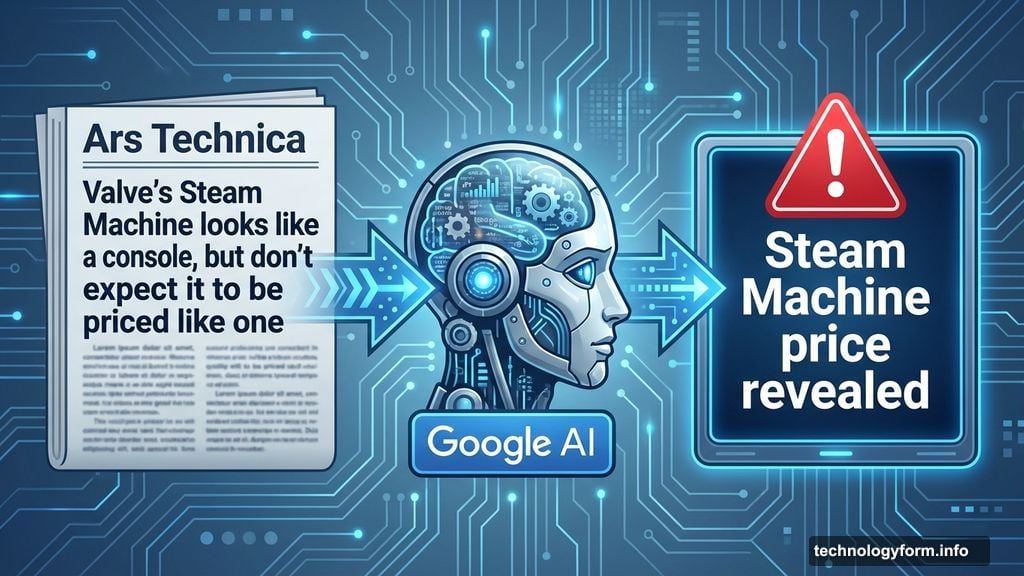
Here’s a perfect example of what goes wrong. The Verge spotted an AI-generated headline claiming “Steam Machine price revealed.” That sounds like breaking news, right?
Wrong. The actual Ars Technica article never mentioned any pricing. Instead, the real headline warned “Valve’s Steam Machine looks like a console, but don’t expect it to be priced like one.” That’s basically the opposite message.
So Google’s AI took a cautionary article about unknown costs and invented a concrete price announcement. That’s not summarizing content. That’s fabricating information.
Plus, Valve still hasn’t shared any Steam Machine pricing anywhere. The AI just made it up entirely.
AI Summaries Join the Mix
Our own staff found another variation of this mess. Some articles appear with their original headlines intact. But Google adds AI-generated summaries underneath.
At least those keep the real titles visible. Still, why risk confusing readers with potentially wrong summaries when the actual article exists right there?
Both versions carry a disclaimer: “Generated with AI, which can make mistakes.” Translation? Google knows this stuff breaks but ships it anyway.
Google Calls It a ‘Small Experiment’
When caught, Google downplayed the whole thing. Company rep Mallory Deleon told The Verge this is just “a small UI experiment for a subset of Discover users.”
She continued: “We are testing a new design that changes the placement of existing headlines to make topic details easier to digest before they explore links from across the web.”
That explanation sounds reasonable until you remember one key fact. Publishers already write headlines specifically designed to help people digest topic details. They’re called, well, headlines.
So Google’s solution to helping users understand content is to replace professionally written headlines with AI versions that literally invent fake information. That math doesn’t work.
The Bigger Pattern Here
This isn’t Google’s first rodeo with publishers. The company has spent years in tense relationships with news organizations over content usage and compensation.
Multiple times, publishers demanded payment for Google displaying portions of their articles in search results. And how did Google respond? By threatening to cut those sources entirely from search.
The company even claimed showing news articles doesn’t really help its advertising business anyway. That’s a fascinating argument from a search giant that built its empire by indexing and surfacing publisher content.
Now Google wants to replace publisher headlines with AI-generated ones that might misrepresent their work. Publishers can’t be thrilled about that development.
AI Mode Gets Even More Intrusive
Meanwhile, Google is doubling down on AI integration across its search products. The News Media Alliance already called AI Mode “outright theft” for how it presents publisher content through a chatbot interface.
But Google isn’t backing off. Instead, the company is making AI Mode more prominent. Robby Stein, Google Search’s Vice President of Product, announced yesterday that the company is testing tighter integration.
Soon AI Mode might appear on the same screen as AI Overviews instead of living in separate tabs. So users will get even more AI-filtered content between them and actual publisher websites.
That’s the pattern here. Google keeps adding AI layers that stand between users and the original content creators. Each layer introduces new opportunities for errors, misrepresentation, and lost traffic to publisher sites.
The Real Cost of ‘Mistakes’
Google’s disclaimer admits AI “can make mistakes.” But what’s the actual cost of those mistakes?
Publishers spend real money creating accurate content. They hire writers, editors, and fact-checkers. They build reputations on getting details right.
Then Google’s AI rewrites their headlines, gets facts wrong, and slaps a “might be wrong” disclaimer on it. That doesn’t just confuse readers. It potentially damages publisher credibility when people associate inaccurate information with their brand.
And here’s the worst part. Most users probably won’t notice the AI disclaimer. They’ll just see a headline, assume it’s accurate, and maybe never click through to realize the original article said something completely different.
Why This Matters Now
AI is everywhere in tech products lately. Sometimes it adds genuine value. Often it just creates new problems while solving nothing.
This Google Discover experiment falls squarely in the second category. Publishers already write headlines. Those headlines already summarize content. The AI adds no value here.
What it does add is a new failure mode where Google can misrepresent publisher content, potentially spread misinformation, and insert itself as an unnecessary middleman between readers and sources.
So when Google says this helps users “digest topic details easier,” ask yourself: easier than just reading the actual headline a professional writer created? That’s a tough sell.
The company should kill this experiment before it spreads more fake news. But given Google’s track record of pushing AI everywhere possible, don’t hold your breath.