Google Dodged a Breakup. Now It’s Raking in Billions
Google started 2025 staring down three massive lawsuits that could have torn the company apart. Chrome might have been sold. Its ad business faced a forced split. Android could have lost its app store grip.
None of that happened. Instead, Google just posted its first-ever $100 billion revenue quarter and convinced judges to let it keep operating mostly as-is. So how did a company facing existential threats end up stronger than ever?
Courts Went Easy on Search Monopoly
Judge Amit Mehta ruled Google a monopolist in search last August. But the punishment? Pretty mild.
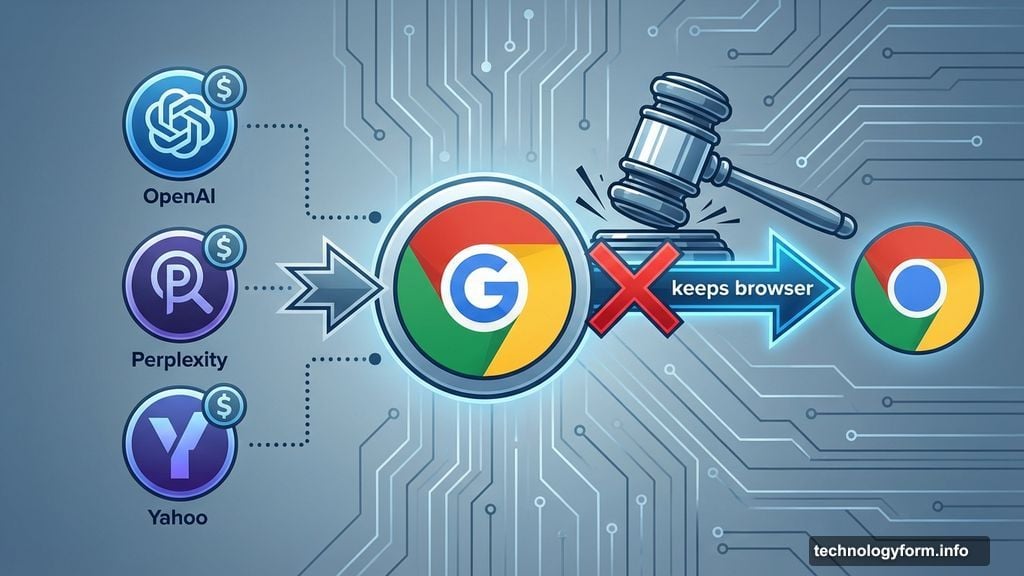
The Department of Justice wanted Google to sell Chrome. That would have removed one of Google’s main tools for funneling users to its search engine. OpenAI, Perplexity, and Yahoo all showed interest in buying the browser.
Instead, Mehta said forcing a Chrome sale would be “incredibly messy and highly risky.” Google keeps its browser. It can even keep paying Apple and others for prominent placement, though with some restrictions.
The main remedy requires Google to sell search data to rivals at marginal cost. But only a subset of data. And only once, not regularly. Plus, Google plans to appeal the monopoly ruling itself.
Critics called these remedies toothless. Google’s lawyers must have popped champagne. A process that could have dismantled Google’s core business ended with a data-sharing requirement that won’t help competitors much.
Ad Tech Case Looks Less Scary Now
Google lost another antitrust trial in April over its ad business. The DOJ wants to force a sale of both Ad Exchange and Ad Manager.
But Judge Leonie Brinkema dropped hints she’d rather see a settlement. She suggested behavioral changes might work better than structural ones. Structural remedies take forever to implement and face lengthy appeals.
So Google might escape this one mostly intact too. The momentum to break up Big Tech seems to be fading just as Google needs it to.
Epic Victory Turned Into Settlement
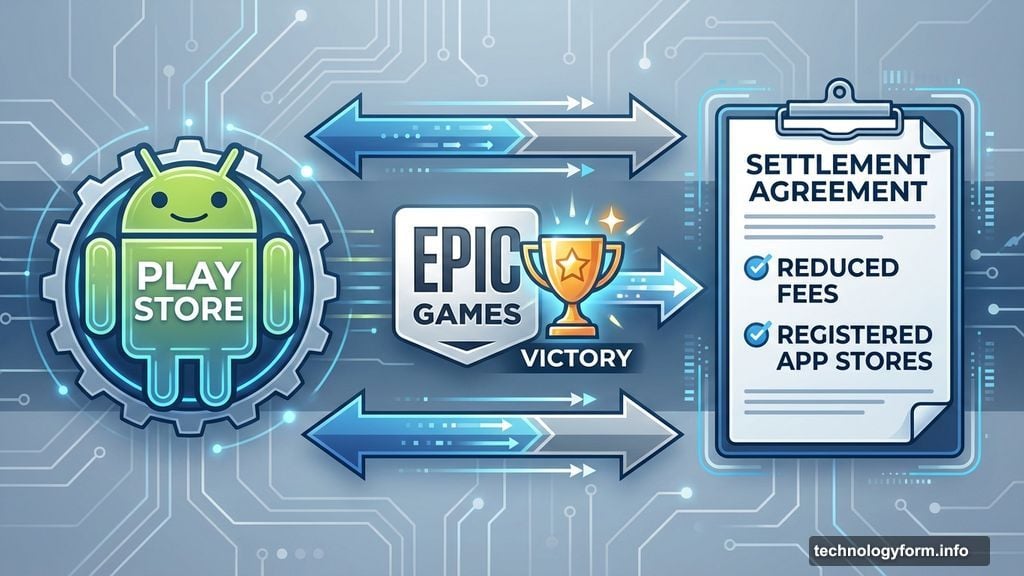
Google lost to Epic Games over Android’s app store two years ago. It lost the appeal this summer too. Epic declared “total victory.”
The court forced Google to allow alternative payment methods in Play Store apps. Eventually, it must list rival app stores in its own storefront.
But Google negotiated a settlement with Epic instead. Under the deal, Google reduces app store fees and creates a new “Registered App Stores” class. The settlement would apply worldwide, not just the US.
The judge still needs to approve this deal in a hearing next month. But if it works, Google keeps control of Android right as it prepares to launch an Android-powered PC operating system in 2026.
Trump Administration Proved Flexible
President Trump isn’t naturally a Google fan. But money helps smooth relationships.
YouTube paid $22 million to settle a lawsuit over Trump’s suspended account. Trump directed that money toward the White House’s new ballroom. Google separately kicked in $5 million for the same ballroom. The company also donated $1 million to Trump’s inauguration.
None of that directly relates to Google’s antitrust cases, of course. But a happy president never hurts your legal prospects.
AI Wins Started Piling Up
Google’s AI models dominated 2025. Veo 2 became the first video generator to go viral on social media, beating Sora. Nano Banana Pro emerged as perhaps the most convincing image generator available. The Gemini 2 launch apparently sent OpenAI into “code red” panic mode.
But models don’t generate massive profits yet. Hardware does. Google plays both sides of this game, which gives it an edge over rivals like OpenAI and Anthropic who burn investor cash on model development.
Google Cloud hit $15 billion in quarterly revenue, largely driven by AI demand. That’s the clearest sign AI is actually making Google money, not just costing it.
Tensor Chips Enter the Big Leagues
Google designed its own Tensor Processing Units (TPUs) for years to power Google Cloud. But its seventh-generation chip, Ironwood, marks a shift.
For the first time, Google will sell TPUs directly to other companies. Anthropic plans to buy a million chips to power Claude. Meta reportedly sits close to a multibillion-dollar deal.
Google isn’t challenging Nvidia’s GPU dominance yet. But it took the first real steps toward becoming a serious competitor in AI hardware sales.
Pixel Hardware Finally Leads
Google’s Pixel phones pushed Android forward this year instead of following other manufacturers.
The Pixel 10 series became the first major Android flagship with Qi2 charging support. The 10 Pro Fold achieved IP68 dust and water resistance, a first for foldable phones.
These aren’t huge revenue drivers. Pixel phones never will be. But they signal Google is innovating in hardware again, not just coasting.
Revenue Hit Record Highs
Google posted over $100 billion in revenue for a single quarter in October. That’s a first. Income reached $31 billion, providing a massive buffer for AI investments.
Most money still comes from ads. But Google Cloud’s growth shows AI is starting to pay dividends. And unlike pure AI companies, Google has steady income to fund its bets.
The company can afford to experiment with AI, pour billions into data centers, and still make money hand over fist. That advantage matters when the AI industry looks increasingly bubbly.
What Could Still Go Wrong
Google hasn’t won everything. Appeals and remedies remain pending in all three major cases. Judges could still force an ad business split, threatening Google’s largest revenue stream.
And if the AI bubble pops, Google’s massive investments might not pay off. The company is betting tens of billions that AI will transform search and computing. That’s not guaranteed.
But compared to where things stood 12 months ago, Google’s position looks remarkably strong. CEO Sundar Pichai faced the prospect of a dismembered company. Instead, he’s running a mostly intact business making record profits.
For a year that started with existential threats, Google’s ending looks pretty comfortable. The 2026 problems can wait until 2026.