How I Used AI to Stop Losing the Battle Against Home Maintenance
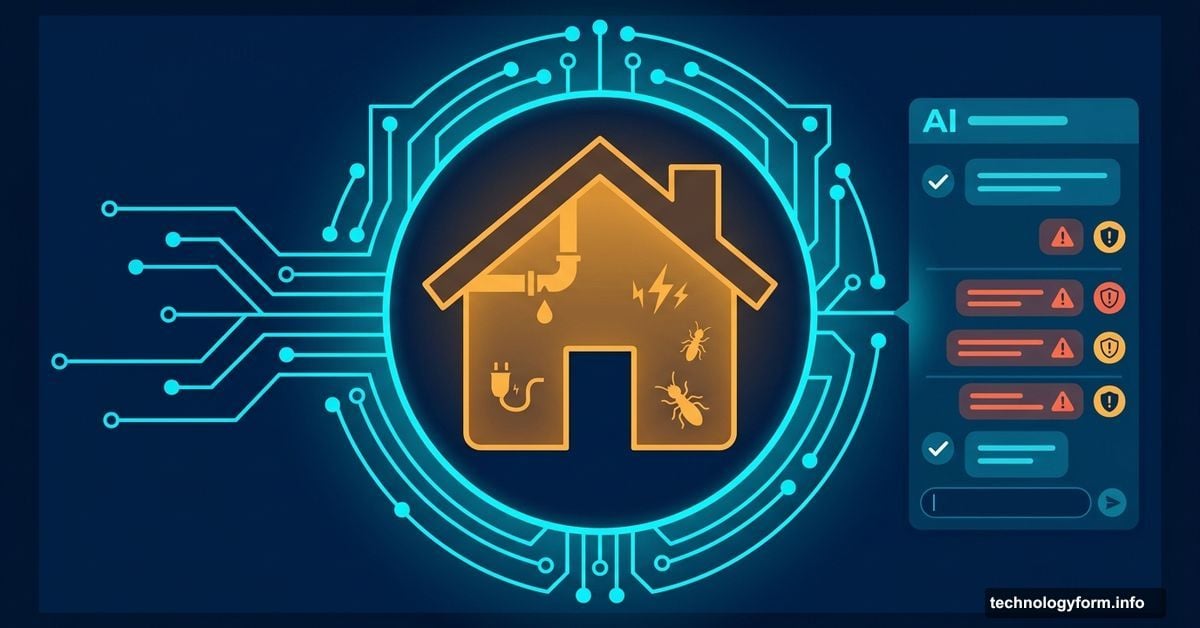
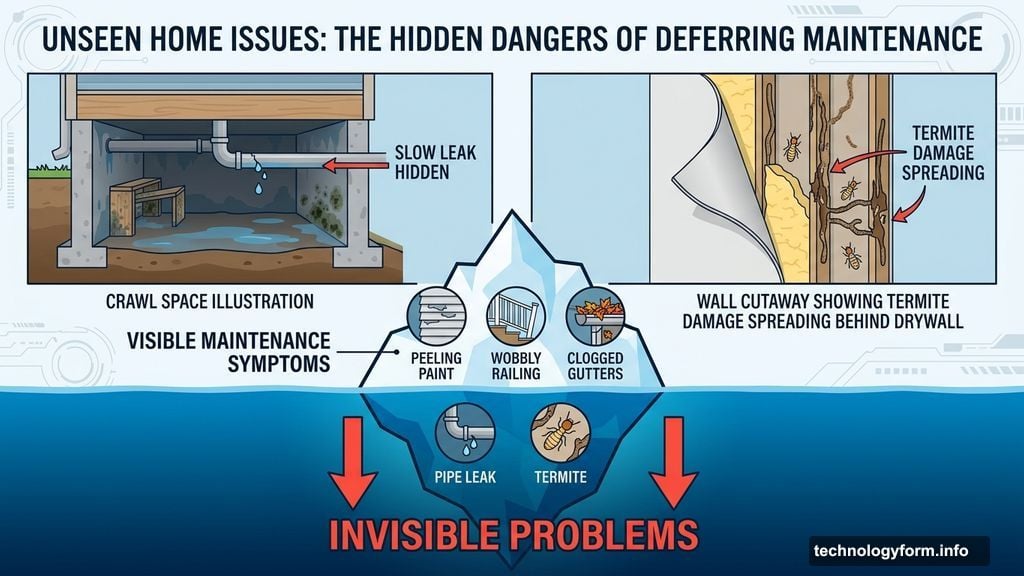
Home maintenance is sneaky. The jobs you can see — peeling paint, wobbly railings, clogged gutters — are annoying but manageable. It’s the invisible problems that really hurt you. The slow pipe leak hiding in your crawl space. The termite damage quietly spreading behind your walls. By the time you notice, you’re already deep into an expensive mess.
So I started experimenting with AI chatbots to help me stay one step ahead. The results were surprisingly useful — not perfect, but genuinely helpful. Here’s what I found.
Your Insurance Policy Probably Hides Useful Benefits
Most homeowners pay their insurance premiums, file a claim when disaster strikes, and never think much about it in between. But those 20-to-30-page policies are packed with coverage details most people miss entirely.
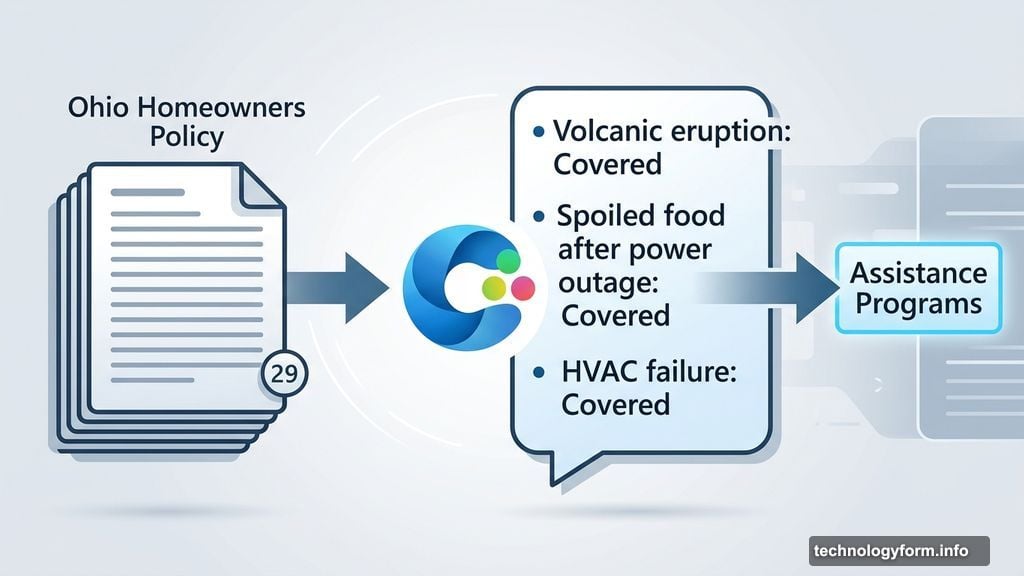
I uploaded a standard 29-page Ohio homeowners policy to Microsoft Copilot and asked it to break down what was actually covered. The summary was eye-opening. Volcanic eruption damage? Covered. Spoiled food after a power outage? Also covered. Damage from a failing HVAC system? Yes, that too.
Now, AI isn’t a lawyer, and you should absolutely double-check anything it tells you against the actual document. But having a plain-English breakdown you can actually read and reference? That alone saves serious time and frustration. Especially heading into a record-breaking heat season where HVAC failures become a real risk.
Plus, Copilot flagged assistance programs buried in the policy that could help offset maintenance costs. That’s the kind of detail that’s easy to miss when you’re wading through dense legal language on your own.
Gemini Spotted the Problems I Didn’t Know to Look For
New homeowners often discover the hard way that houses come with surprises. A pool sounds dreamy until you’re dealing with chlorine levels and flooded water pumps. An older home sounds charming until someone mentions knob-and-tube wiring.
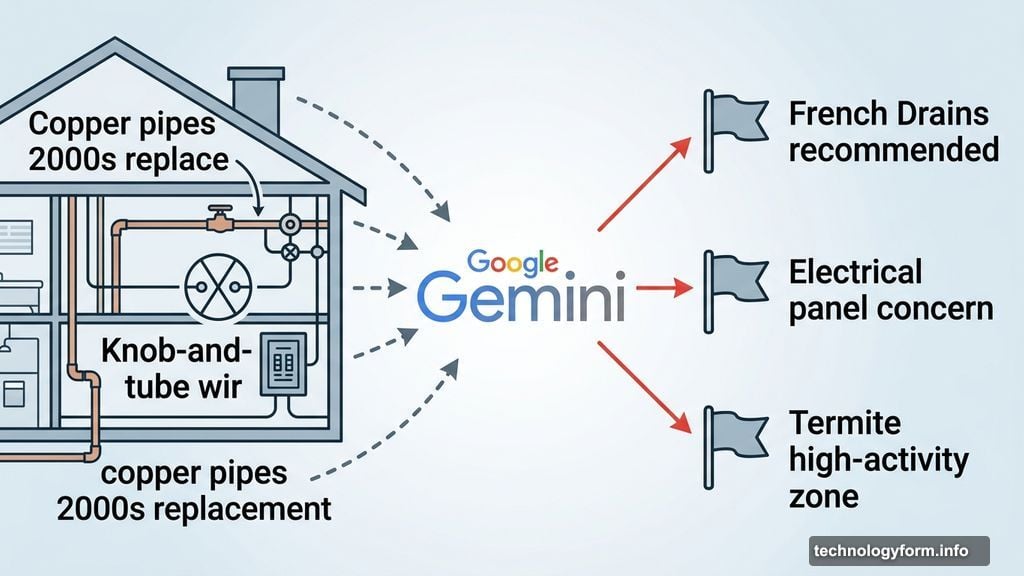
I asked Google’s Gemini to flag the likely trouble spots for my specific type of home. The results were uncomfortably accurate. It correctly identified that my plumbing had been replaced with copper pipes in the early 2000s, suggested French drains as a smart addition — which we’d just had installed right before two straight weeks of heavy rain — and raised concerns about the electrical panel.
The termite warning hit hardest. Gemini flagged my area as a high-activity zone and recommended a professional inspection. We’d never had one done. Seeing “high-activity zone” in plain text makes the urgency feel very real, very fast.
That’s the real value here. AI doesn’t just remind you about the maintenance jobs already on your radar. It surfaces the ones you didn’t even know to worry about.
Claude Helped Me Figure Out What Was Destroying My Garden
Sometimes what looks like a small, isolated problem is actually a warning sign of something bigger. I noticed what I assumed was a gopher leaving piles near my garden beds. Gophers can devastate a lawn fast, so I wanted to deal with it quickly before things got worse.
I uploaded screenshots from a nighttime video I’d taken to Claude and asked it to identify the creature. Claude determined it was most likely a vole, not a gopher — an important distinction since they behave differently and respond to different deterrents.
From there, Claude generated a list of strategies for keeping voles away from my flowering plants and poppies. It suggested everything from castor oil sprays to habitat modification. Bless its optimistic digital heart for believing in the castor oil approach.
For what it’s worth, the only method I’ve personally found that truly works against both gophers and voles is underground wire mesh. But having a starting point — especially one that correctly identified the animal — saved me from wasting time and money on the wrong solutions.
What AI Gets Right and Where It Falls Short
The honest answer is that AI chatbots are genuinely useful research partners for home maintenance, but they’re not infallible. They can misidentify problems, miss regional specifics, or give advice that sounds reasonable but doesn’t quite match your actual situation.
The smart approach is to treat AI outputs as a starting point, not a final answer. Use the chatbot to generate questions, identify risk areas, and understand your options. Then verify anything that matters — especially insurance claims, structural concerns, or pest identification — with a qualified professional.
Think of it like having a knowledgeable friend who reads a lot. They can point you in the right direction and flag things you’d never think to ask. But you’d still want a plumber to actually fix the pipe.
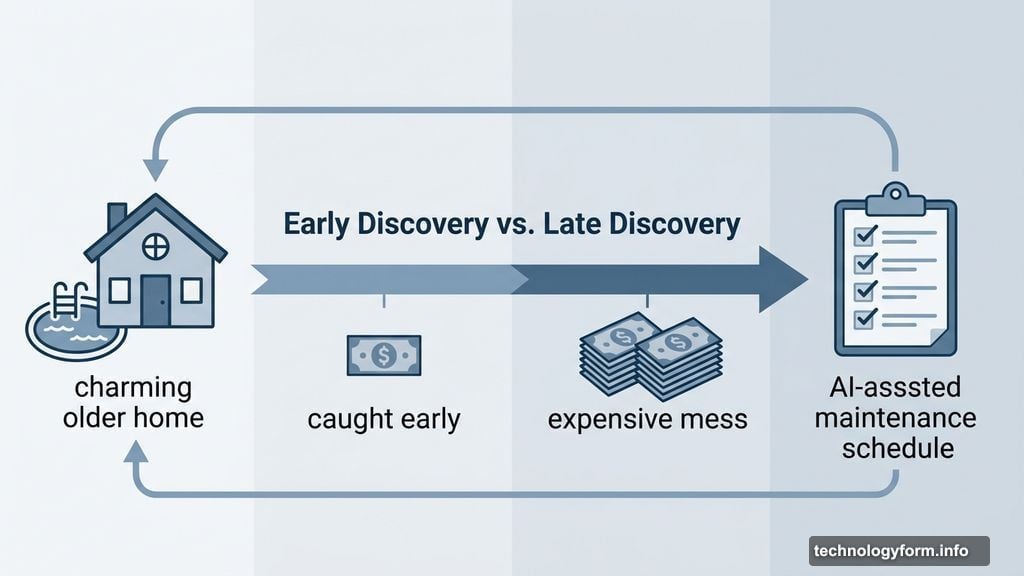
Used thoughtfully, AI tools genuinely help you work smarter on home maintenance. They surface hidden insurance benefits, flag risk factors specific to your home’s age and type, and help you identify problems before they spiral into expensive emergencies. That’s a pretty good return for a few minutes of prompting.