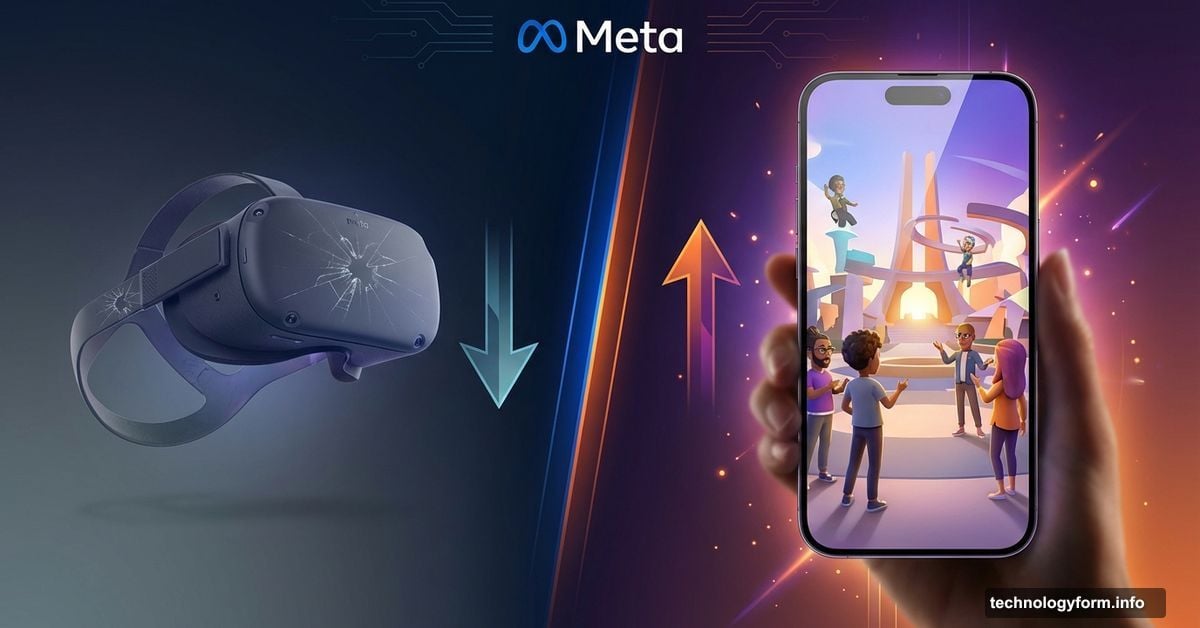
Meta’s Metaverse Just Went Mobile. The VR Dream Got Smaller.
Meta’s grand vision for an immersive virtual world just took a significant detour. Horizon Worlds, the company’s closest attempt at building a real metaverse, is officially splitting away from the Quest VR platform — and going mobile-first.
If that sounds like a quiet retreat from the bold metaverse promises of a few years ago, well, it kind of is. But the move also tells us a lot about where Meta thinks its future actually lives.
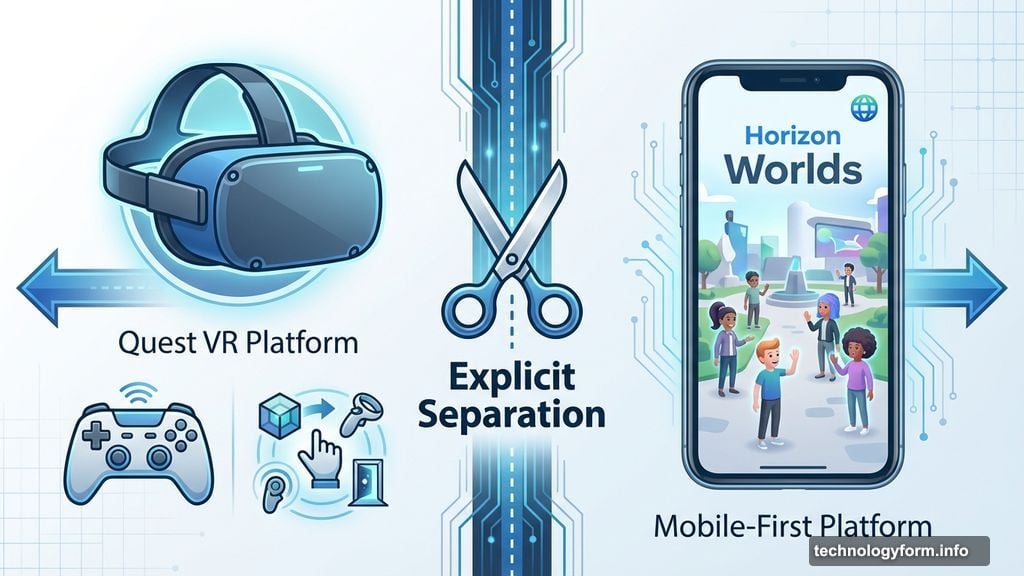
Horizon Worlds and Quest Are Now Two Separate Things
Samantha Ryan, Meta’s VP of Content at Reality Labs, broke the news in a recent blog post. The message was clear and direct.
“We’re explicitly separating our Quest VR platform from our Worlds platform in order to create more space for both products to grow,” Ryan wrote. “We’re doubling down on the VR developer ecosystem while shifting the focus of Worlds to be almost exclusively mobile.”
So think of it this way. Quest is now purely a gaming and VR platform. Horizon Worlds, on the other hand, is becoming something closer to a social gaming app you open on your phone. Two products, two very different directions.
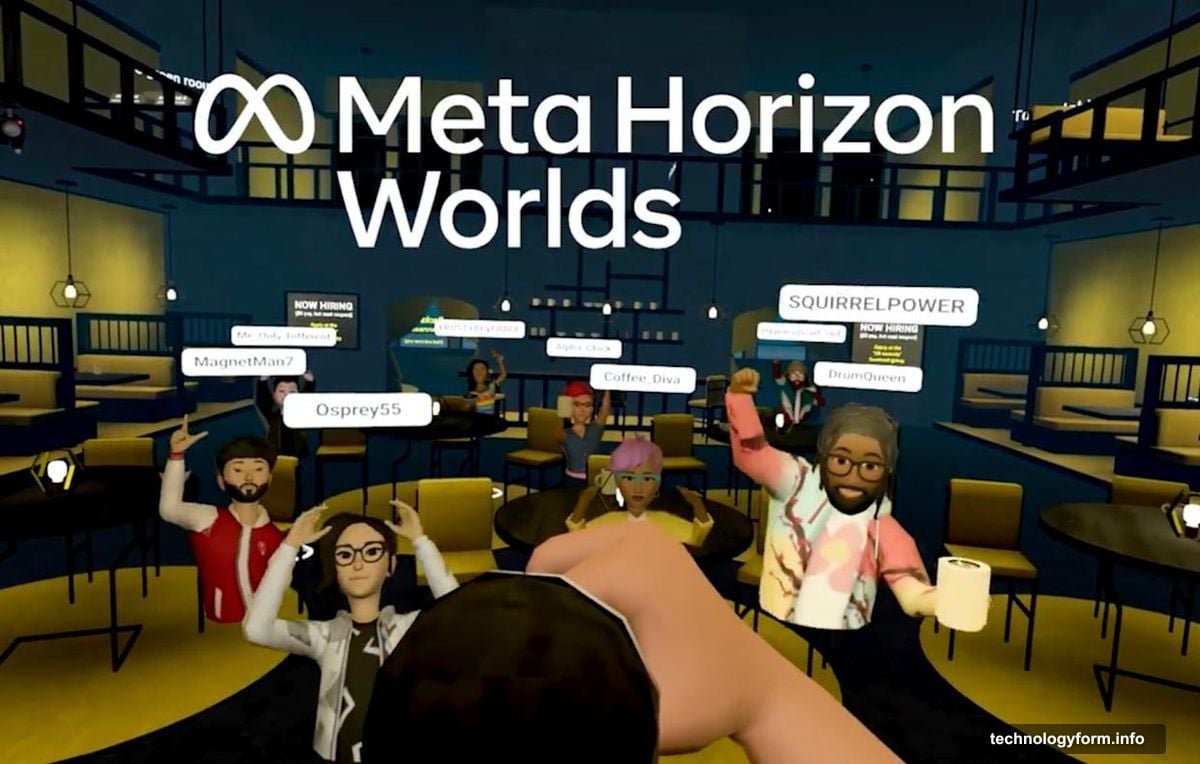
Meta has actually been building mobile and web versions of Horizon Worlds since at least 2023. So this isn’t a sudden pivot so much as an official acknowledgment of where the product was already heading.
Why Mobile Makes More Sense Than VR
Here’s the honest reality. Horizon Worlds never quite found its footing as a VR experience. The platform struggled to attract and keep users, and Meta’s costly Reality Labs division has faced significant cuts this year, including the closure of several of its own VR game studios.
Meanwhile, Mark Zuckerberg has made it clear that AI hardware — especially smart glasses — is where his attention is now focused. The metaverse dream, at least in its original headset-strapped form, has quietly stepped back.
Going mobile-first opens Horizon Worlds up to a much bigger audience. Meta’s own framing here is telling. The company believes it can more easily scale Worlds by connecting it to “billions of people on the world’s biggest social networks.” That’s a very different pitch than “everyone will eventually own a VR headset.”
Roblox and Fortnite Are the Real Competition Now
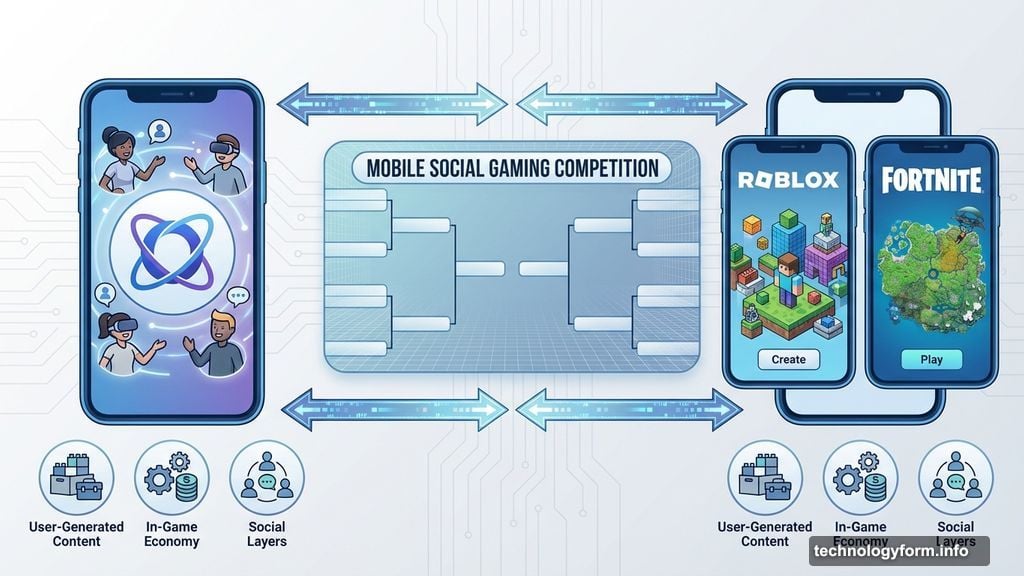
Once you strip away the VR requirement, Horizon Worlds starts looking a lot like Roblox or Fortnite. Both platforms feature user-created worlds, in-game economies, and social experiences built around games — and both run just fine on a phone.
That’s now essentially the space Meta is targeting. User-generated content, monetizable games, and social layers built on top of familiar mobile habits.
To help developers make the jump, Meta is rolling out new monetization tools, better discoverability features, a dedicated Deals tab, and improved ways for creators to connect directly with their players. Whether those tools are enough to pull developers away from already-established platforms like Roblox remains to be seen.
Quest Isn’t Going Away — Not Even Close
Before VR fans panic, it’s worth being clear. Quest is not being abandoned. Meta is still investing in its VR gaming ecosystem and actively supporting third-party developers publishing games on the platform.
In fact, Business Insider reported in December 2025 that Meta was developing a gaming-focused Quest headset. Meta CTO Andrew Bosworth confirmed earlier this year that multiple Quest devices remain on the company’s roadmap. So the hardware side of the business is pushing forward.
The library of games available on Quest will likely matter even more now that Horizon Worlds is headed elsewhere. A strong gaming catalog keeps existing headset owners engaged and gives new buyers a reason to invest.
What This Really Signals
This split feels like Meta finally getting honest with itself. Building a fully immersive virtual world where everyone hangs out was an extraordinary ambition. But the user numbers never matched the vision, and the costs were enormous.
Turning Horizon Worlds into a mobile platform is a much more grounded bet. It trades the sci-fi metaverse dream for something that could actually compete in today’s gaming market. And keeping Quest as a dedicated VR gaming device lets that hardware find its own identity without being weighed down by a platform people weren’t really using.
Whether Horizon Worlds can carve out real ground against Roblox and Fortnite is a genuinely tough challenge. Those platforms have years of head start and deeply loyal communities. But at least now, Meta is competing on a battlefield where the rules are already clear — and where billions of people already carry the hardware in their pockets.