OpenAI’s Sora App Lost Half Its Users in Two Months
Remember when Sora was supposed to be the next TikTok? That dream died fast.
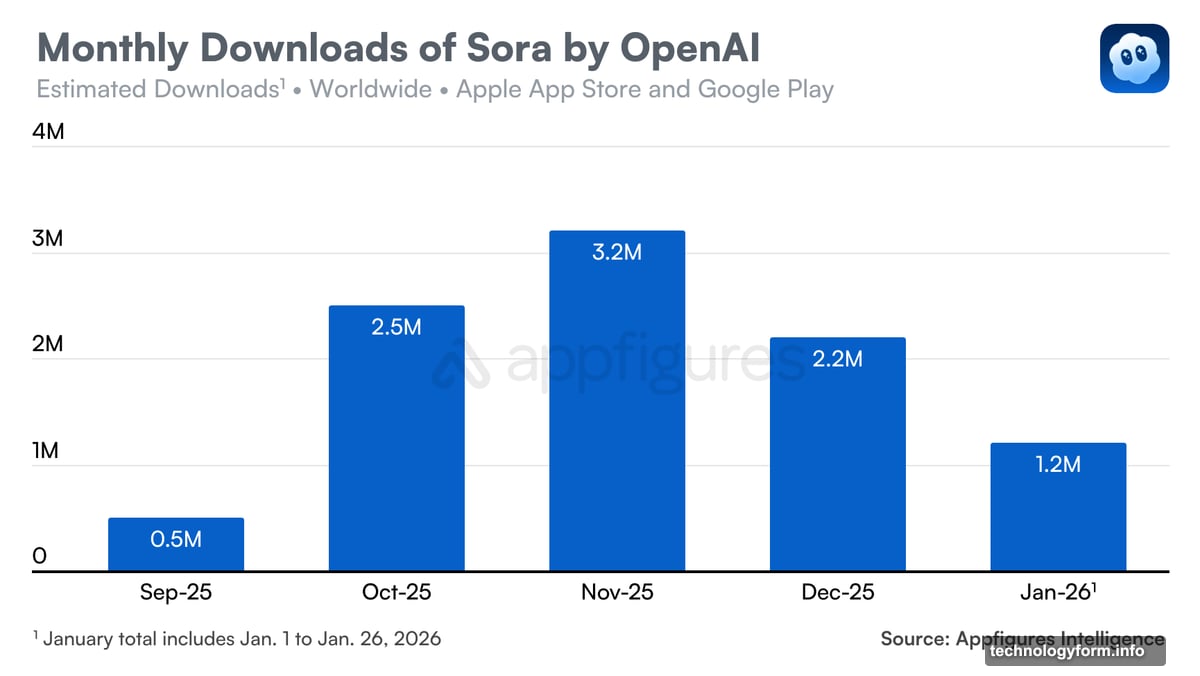
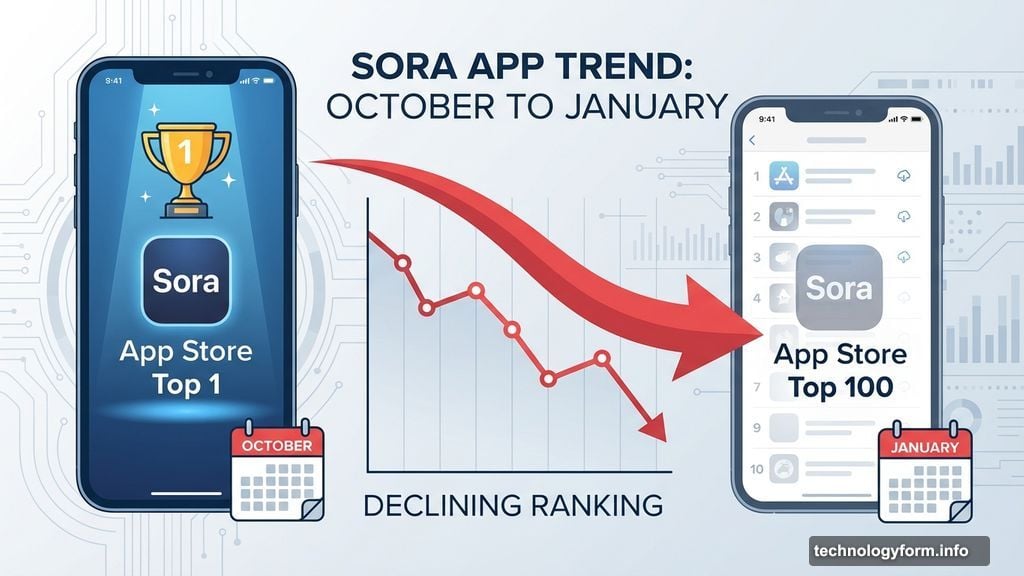
OpenAI’s video-generation app exploded onto the App Store in October, hitting number one faster than ChatGPT itself. Now it’s barely holding onto the Top 100. Downloads dropped 45% in January alone. Consumer spending fell 32%. The hype train completely derailed.
What went wrong? Three things killed Sora’s momentum, and none of them are easy fixes.
Hollywood Forced OpenAI to Cripple the App
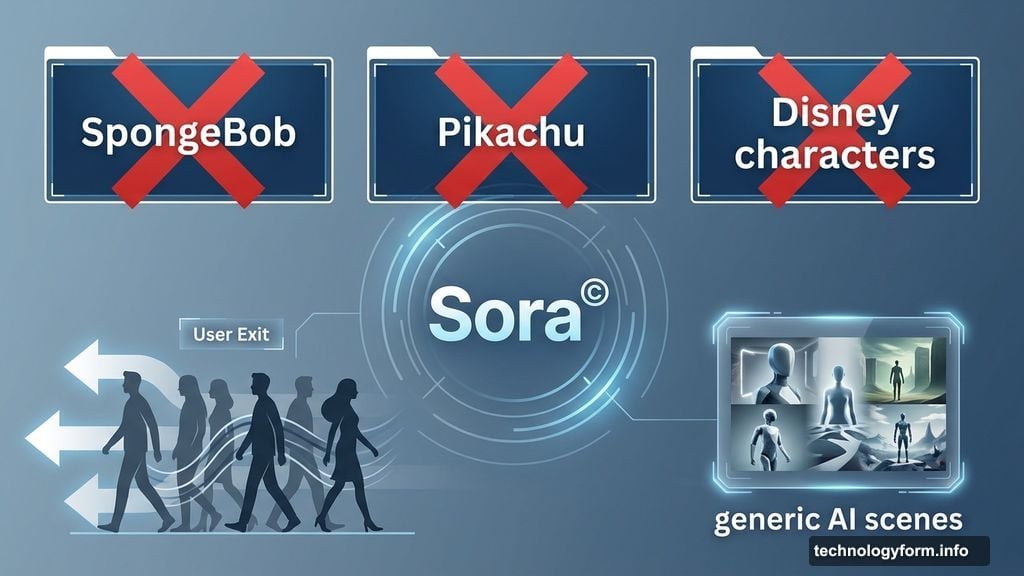
Sora launched with a massive problem. Users could generate videos featuring SpongeBob, Pikachu, and basically any copyrighted character they wanted. Studios freaked out immediately.
OpenAI’s initial response made things worse. They told Hollywood studios to opt out if they didn’t want their IP used. Studios pushed back hard. So OpenAI reversed course and switched to an opt-in model with stricter copyright controls.
But here’s the catch. Those viral character videos drove adoption. Take away SpongeBob and Pikachu, and suddenly Sora becomes way less interesting. Users wanted to create memes and mashups with recognizable characters. Without that freedom, they left.
Plus, Disney signed a deal last month allowing users to create videos with its characters. That sounds great. Except it hasn’t moved the needle on downloads or spending at all. One possible reason? Some truly disturbing videos people made with Disney characters before the restrictions kicked in.
Nobody Wants Friends Using Their Face for AI Videos
Sora’s signature feature lets you cast yourself and friends as characters in AI videos. Sounds fun until you think about it for five seconds.
Most people don’t want others generating videos with their likeness. Even close friends. The potential for embarrassment or worse is too high. So users avoided that feature, which was supposed to be Sora’s differentiator.
Without familiar faces and without popular IP characters, Sora videos became generic. Just AI-generated scenes with random characters doing random things. That’s not compelling enough to build a social network around.
The app also lets users remix shared videos and add music, sound effects, and dialogue. But remixing generic AI content doesn’t create the viral loops that made TikTok addictive. User engagement dropped as a result.
Competition Crushed Sora’s Early Advantage
Sora launched iOS-only and invite-only. Still hit 1 million downloads faster than ChatGPT. But that head start evaporated quickly.
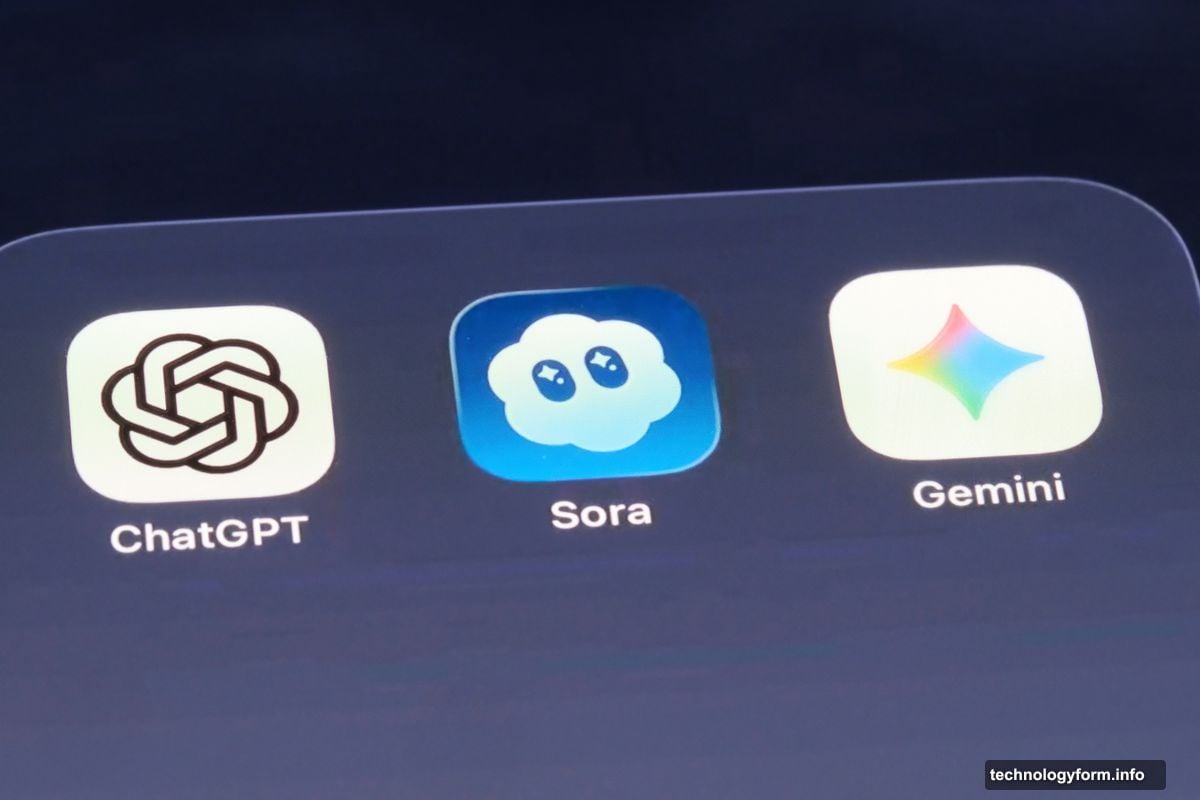
Google’s Gemini app gained serious traction, especially with its Nano Banana model for video generation. Meta launched AI-powered Vibes video in its Meta AI app around the same time Sora took off. Both companies have massive distribution advantages OpenAI can’t match.
Meta AI comes pre-installed on billions of devices. Gemini integrates with Google’s entire ecosystem. Sora needs users to specifically download and pay for a standalone app. That’s a much harder sell, especially after the initial curiosity fades.
December data shows the problem clearly. Downloads dropped 32% month-over-month during the holidays, when most apps see growth. People got new phones and had free time. They chose Gemini and Meta AI instead of Sora.
The Numbers Tell a Brutal Story
Sora has 9.6 million total downloads across iOS and Android. That sounds decent until you compare it to ChatGPT’s hundreds of millions of users. Consumer spending hit $1.4 million total, with $1.1 million from the U.S. alone.
January spending dropped to $367,000, down from December’s peak of $540,000. On the U.S. App Store, Sora sits at number 101 overall. Its best ranking is number 7 in Photo & Video. On Google Play, it’s number 181 among free apps.
Those rankings aren’t death sentences. But the trajectory is terrible. A 45% monthly decline in downloads means Sora is bleeding users fast. Without a major pivot, those numbers will keep falling.
The geographic breakdown shows similar problems. Japan, Canada, South Korea, and Thailand round out the top five markets after the U.S. But none of those markets generate significant revenue. International expansion hasn’t saved the app.
Can Sora Stage a Comeback?
OpenAI faces tough choices. Relax copyright restrictions and risk legal battles with Hollywood. Keep restrictions tight and watch users leave for less restrictive competitors. Neither option looks great.
More licensing deals like the Disney partnership could help. But that Disney deal didn’t boost downloads or spending. Studios will demand high fees for IP access. Those costs will either cut OpenAI’s margins or get passed to users through higher subscription prices.
The fundamental problem runs deeper. Video generation works great as a feature inside existing apps. As a standalone social network? Much harder sell. TikTok succeeded because of human creativity and authentic content. AI-generated videos lack that authenticity.
Some called Sora the “TikTok of AI.” That comparison looks ridiculous now. TikTok built a cultural phenomenon. Sora built a viral moment that faded in weeks. The app might survive as a niche tool for creators. But the vision of an AI video social network? That dream is dead.
OpenAI needs to decide fast whether to double down on Sora or cut losses. The current trajectory leads nowhere good. And with Google and Meta dominating AI video generation, the window to turn things around is closing fast.