Your Shampoo Brand Knows You’re Browsing. Here’s How They Track You
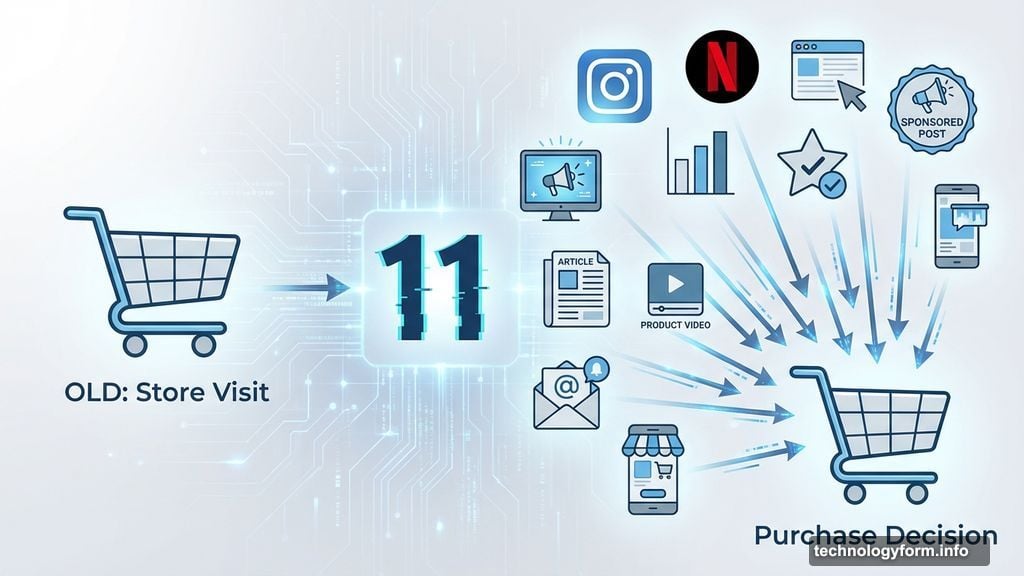
Shopping for deodorant isn’t what it used to be. You’re not just buying at the store anymore. You’re researching, comparing, and deciding across 11 different touchpoints before clicking “buy.”
That’s not a guess. That’s how modern personal care shopping actually works in 2025. Plus, brands know exactly where you are in this journey. They’re watching, waiting, and targeting you with scary precision.
Let’s break down how this constant shopping mindset changed everything about buying toothpaste and body wash.
You Think About Shopping 232 Times Per Year
Three out of four Americans think about shopping multiple times per week. Do the math. That’s roughly 232 separate shopping moments annually.
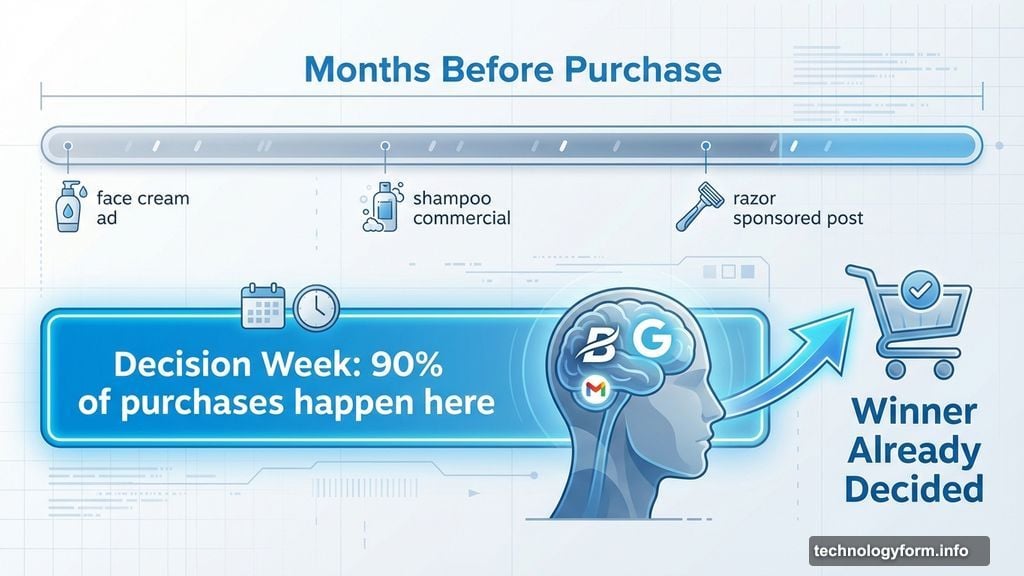
Most of these aren’t active purchases. Instead, you’re scrolling Instagram and see an ad for face cream. Then you’re watching Netflix and notice a shampoo commercial. Later, you’re reading articles and spot a sponsored post about razors.
Each moment plants a seed. Brands call these “micro-considerations.” They add up fast.
Here’s what changed. Shopping used to be an event. You went to the store with a list. Now shopping is a constant background process running in your brain. Brands adapted by meeting you everywhere you already spend time.
90 Percent of Decisions Happen in One Week
Personal care purchases move fast. Nine out of ten buying decisions happen within a single week, according to Amazon Ads research.
That seems quick. But here’s the twist. By the time you enter that decision week, brands already influenced you for months. Those 11 touchpoints happened gradually. Some occurred weeks before you needed deodorant.
So when you finally think “I need new toothpaste,” you don’t start from zero. Instead, you have 2-3 brands already stuck in your head from previous exposure. That’s intentional. Brands spent months earning that mental real estate.
The winner gets decided before you consciously start shopping. Your brain already picked favorites based on accumulated impressions. You just think you’re making a fresh choice.
Most Purchases Are Planned, Not Impulse

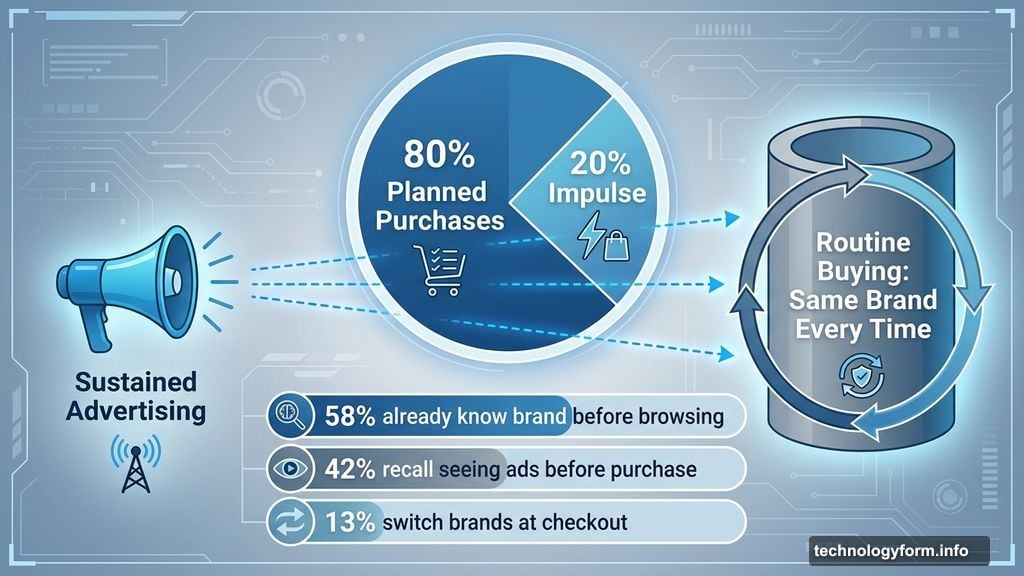
Over 80 percent of personal care purchases are planned ahead. Impulse buying accounts for less than 20 percent in categories like oral care, feminine products, and personal hygiene.
Plus, nearly half these purchases are pure routine. You buy the same brand every time. In fact, 58 percent of shoppers already know which brand they’ll choose before browsing. Less than 13 percent switch brands at checkout.
This creates a paradox. If everyone’s buying the same brands out of habit, why advertise? Because breaking into someone’s routine requires sustained visibility. You can’t win the final moment. You need to win the months leading up to it.
That’s why over 40 percent of shoppers recall seeing ads before their purchase. Even routine-driven categories respond to consistent advertising. The ads don’t trigger immediate buying. Instead, they gradually shift which brands feel familiar and trustworthy.
Streaming TV Became the New Billboard
Americans now spend 90 minutes daily watching streaming television. That’s more time than most people spend on social media.
Streaming isn’t background noise anymore. It’s prime advertising real estate. Particularly for personal care products tied to lifestyle and identity. A razor ad during a sports game hits differently than a banner ad while doom-scrolling.
Plus, consumers warmed up to advertising in entertainment. Nearly three-quarters (73 percent) appreciate ads that actually entertain them. And 63 percent believe advertising shapes culture, not just sells products.
Here’s where it gets interesting. Half of all consumers say entertainment is now part of their shopping journey. They discover brands while watching shows. In fact, 54 percent found new brands through streaming content.
These aren’t passive views. Seventy-two percent took action while watching. They looked up products, bookmarked items, or added things to their cart. That’s active shopping behavior triggered by entertainment.
Amazon Built a Shopping Surveillance Network
Amazon Ads reaches 300 million monthly viewers in the U.S. That includes Prime Video, Thursday Night Football, and partnerships with Netflix, Roku, and Spotify.
But reach isn’t their real advantage. Data is. Amazon tracks trillions of signals across shopping and entertainment. They know what you watch, what you buy, and crucially, they connect those dots.
When you pause Prime Video, you might see shoppable ads. Click them and you’re buying instantly. No leaving the streaming app. No searching later. The entire journey from ad to purchase happens in seconds.
Amazon Marketing Cloud processes this data using AI optimization. Brands can see exactly which entertainment moments drove consideration and which drove sales. Then they refine targeting to focus on what actually works.
For personal care brands, this means showing toothpaste ads to people who watched dental health content. Or targeting razor ads to viewers of men’s lifestyle shows. The matching happens automatically based on behavioral patterns across millions of users.
The Creepy Part Nobody Discusses
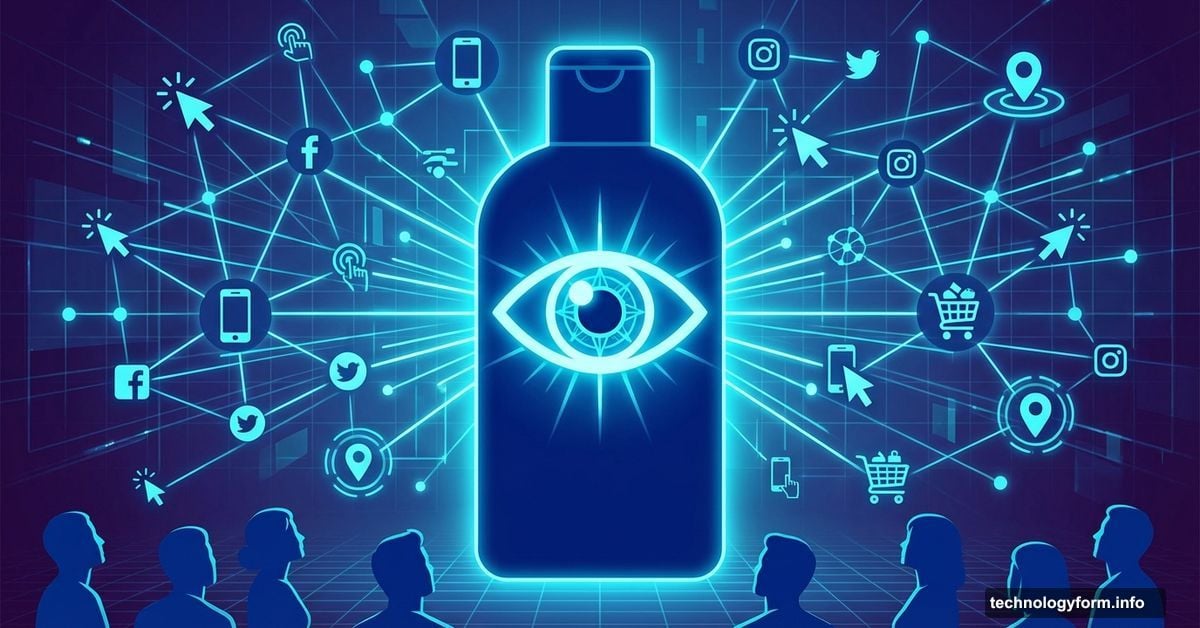
This system works because brands track you constantly. Not just on Amazon. Across the entire internet.
Amazon DSP extends reach beyond Amazon properties. Your streaming habits, browsing history, and purchase patterns get combined into a detailed profile. Brands use that profile to target you everywhere you go online.
You might see a face wash ad on Prime Video. Then the same brand appears in your Instagram feed. Later, it shows up as sponsored content in articles you read. That’s not coincidence. That’s coordinated targeting across platforms.
Most consumers don’t realize the depth of tracking. They see ads and assume it’s random or coincidentally timed. Actually, it’s sophisticated behavioral prediction based on your digital exhaust trail.
Plus, the system optimizes constantly. If you ignore ads during sports games but click ads during cooking shows, future targeting shifts accordingly. Your behavior trains the algorithm to manipulate you more effectively.
What This Means for Your Wallet
Brands aren’t just advertising anymore. They’re engineering your preferences through sustained exposure across channels you trust.
That’s not inherently evil. But it means your “choices” reflect months of subtle influence you didn’t notice. The brands that win aren’t necessarily better products. They’re just better at consistent visibility during your passive moments.
Here’s what you can do. Recognize when familiarity drives your decisions. Just because a brand feels “right” doesn’t mean you consciously evaluated it. That feeling might come from 50 ad exposures you forgot about.
Try this experiment. Next time you need toothpaste or deodorant, pause before grabbing your usual brand. Can you remember why you chose it originally? Or did it just become the default through repetition?
Shopping in 2025 means fighting against sophisticated systems designed to guide your choices. Awareness helps. But ultimately, brands have resources and data you can’t match. They’ll keep getting better at predicting and influencing what you buy.
The question isn’t whether this affects you. It’s how much you care.