Social Media Died When AI Slop Took Over
Social media was supposed to connect us. Instead, it’s become a wasteland of fake content nobody asked for.
Scroll through Instagram or TikTok today. You’ll find fewer posts from friends and more AI-generated garbage. Videos of impossible pranks. Deepfakes of dead celebrities. Animals acting suspiciously human. This isn’t social media anymore. It’s an AI content dump.
The platforms that once helped us stay in touch now keep us hooked on artificial nonsense. Plus, they’re betting their stock prices on this AI pivot. So users are stuck watching the quality of their feeds plummet.
Connection Became Addiction
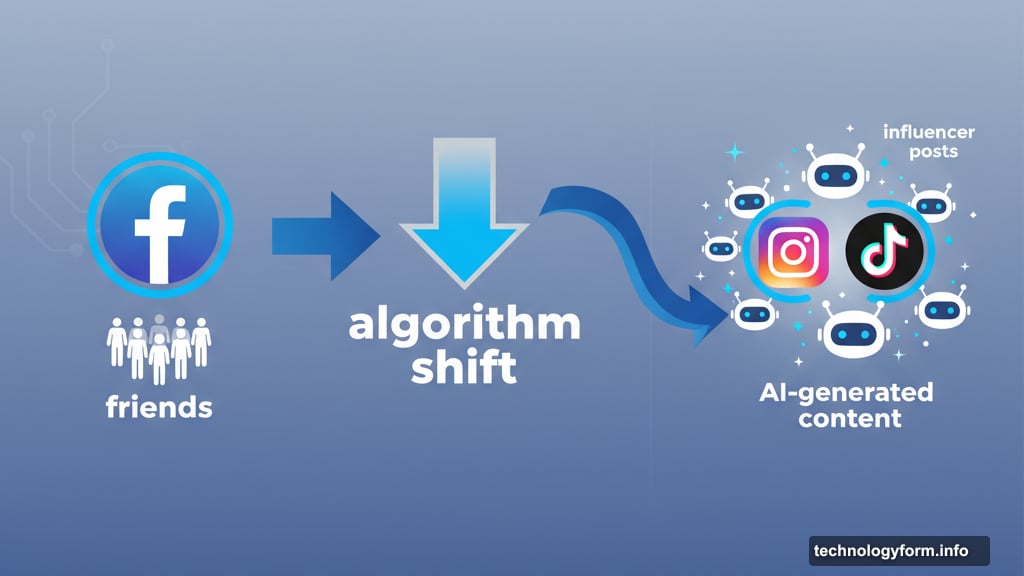
Remember when Facebook actually showed you updates from friends? Those days are gone.
“Social media is now aimed at keeping you connected to the tool, rather than to each other,” explained Alexios Mantzarlis, director of Cornell Tech’s Security, Trust and Safety Initiative. Tech companies care more about showcasing AI capabilities than preserving genuine human connection.
The shift happened gradually. First, platforms started prioritizing content from creators you don’t follow. Then AI-generated posts flooded in. Now your feed barely resembles anything real.
Instagram morphed from friend updates into an influencer showcase. TikTok managed to feel more authentic for a while. But even that platform is drowning in polished, artificial content now.
AI Tools Made Everything Worse
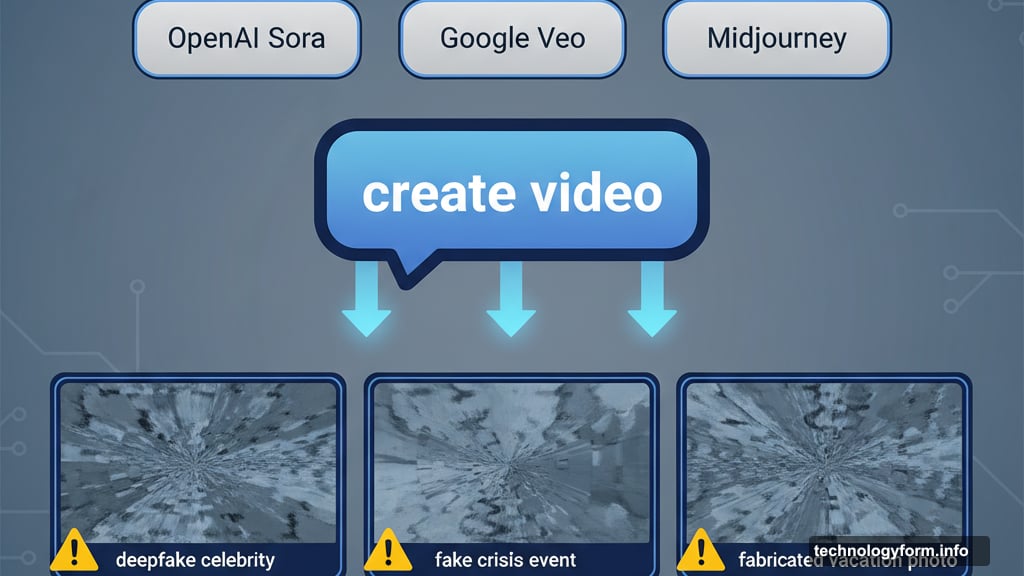
Generative AI turned social media into a misinformation factory. Tools like OpenAI’s Sora, Google’s Veo and Midjourney let anyone create convincing fake videos from simple text prompts.
The results are extraordinary and terrifying. Deepfakes of public figures saying things they never said. Crisis events that never happened. Vacation photos that are completely fabricated.
This AI slop serves no real purpose beyond showing off what the technology can do. Yet it’s everywhere. Moreover, separating fact from fiction demands constant vigilance. That’s exhausting.
Before AI, social media already warped reality with filtered photos and aspirational content. Now we’re dealing with content that’s entirely unreal. “Before, we had the problem of unrealistic body expectations,” Mantzarlis said. “And now we’re facing the world of unreal body expectations.”
Nobody’s Stopping This Flood
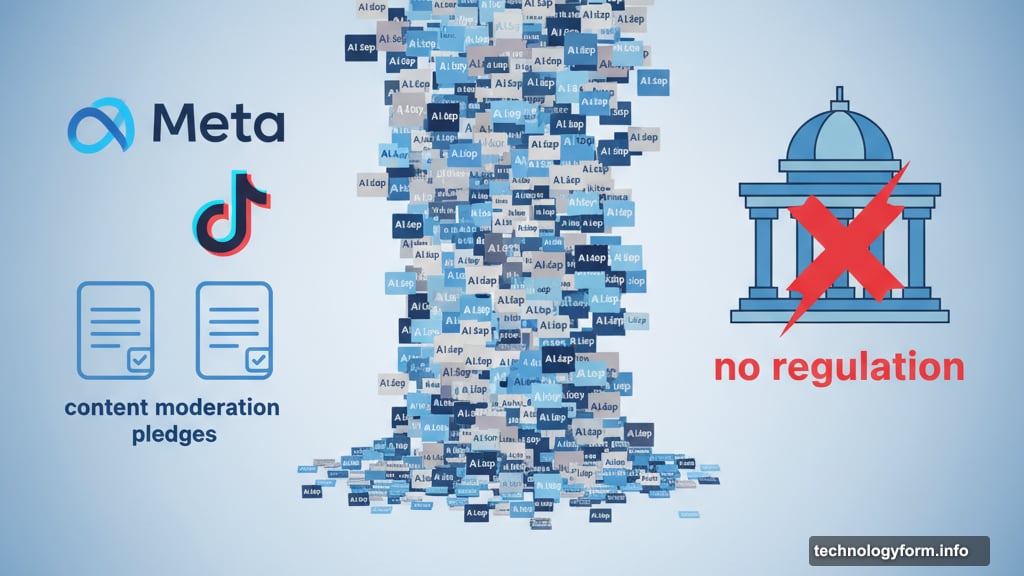
Social platforms made promises about labeling AI content and banning harmful deepfakes. Meta and TikTok pledged to remove fake crisis videos and unauthorized uses of people’s likenesses. TikTok even announced tests for letting users control how much AI they see.
Those efforts feel halfhearted at best. Government regulation isn’t coming to save us either. Political gridlock, tech lobbying and AI’s rapid evolution mean legislation lags behind reality.
Meanwhile, the volume of AI content keeps growing. Platforms can’t flag everything. They’re not even trying hard enough to flag most of it.
The lack of enforcement breeds distrust. An August study by Raptive found that 48% of people considered content less trustworthy when they suspected AI generation. Another 60% felt less emotional connection to it.
Trust matters online. Without it, social platforms become just another source of anxiety and confusion.
Some Defend the AI Takeover
Not everyone sees AI content as purely negative. Paul Bannister, chief strategy officer at Raptive, argued that “AI tools make it easier for more people to be creators.”
Fair point. AI lowers barriers to content creation. More people can become creators faster than ever before. That democratization has value.
“Like any new technology, there are always good and bad uses,” Bannister said. He’s right that human creativity still drives much of the AI content we see. Someone had to think up those ridiculous scenarios, even if AI generated the final product.
But that defense rings hollow when you’re drowning in low-quality slop. Yes, AI enables creativity. It also enables mass production of meaningless content that clogs our feeds and wastes our time.
The Real Danger Goes Deeper
AI’s impact on social media extends beyond annoying slop. The technology amplifies society’s worst tendencies.
Social media already functions as an echo chamber. Algorithms show us content that confirms our existing beliefs. Misinformation spreads rapidly. Tensions escalate quickly.
Now add AI’s ability to manufacture convincing fake evidence of anything. “It’s going to be used for further exacerbating tensions, for confirming people’s pre-existing biases,” Mantzarlis warned.
Everyone now has the power to create their own reality and share it as fact. That’s dangerous. Society’s cracks are widening. AI slop will only make them worse.
Consider the implications. Political deepfakes can sway elections. Fabricated crisis videos can trigger panic. Fake evidence can destroy reputations. The infrastructure for widespread deception is already here.
Give Us Control
Pinterest did something smart. They let users control how much AI content appears in their feeds. More platforms need that option.
If I could dial AI content down to zero, I would. Immediately. No hesitation.
Social media doesn’t need more artificial content. It needs less of everything artificial. We need platforms that actually help us connect with real people sharing real experiences.
The original promise of social media was human connection. That promise is broken. AI slop shattered whatever remained of it. Tech companies chose engagement metrics and stock prices over genuine community.
So here we are. Scrolling through feeds of fake content. Feeling more isolated despite being more connected. Exhausting ourselves trying to spot what’s real.
Social media became antisocial. AI finished the job.