Free ChatGPT for Teachers Just Killed the Classroom Budget Problem
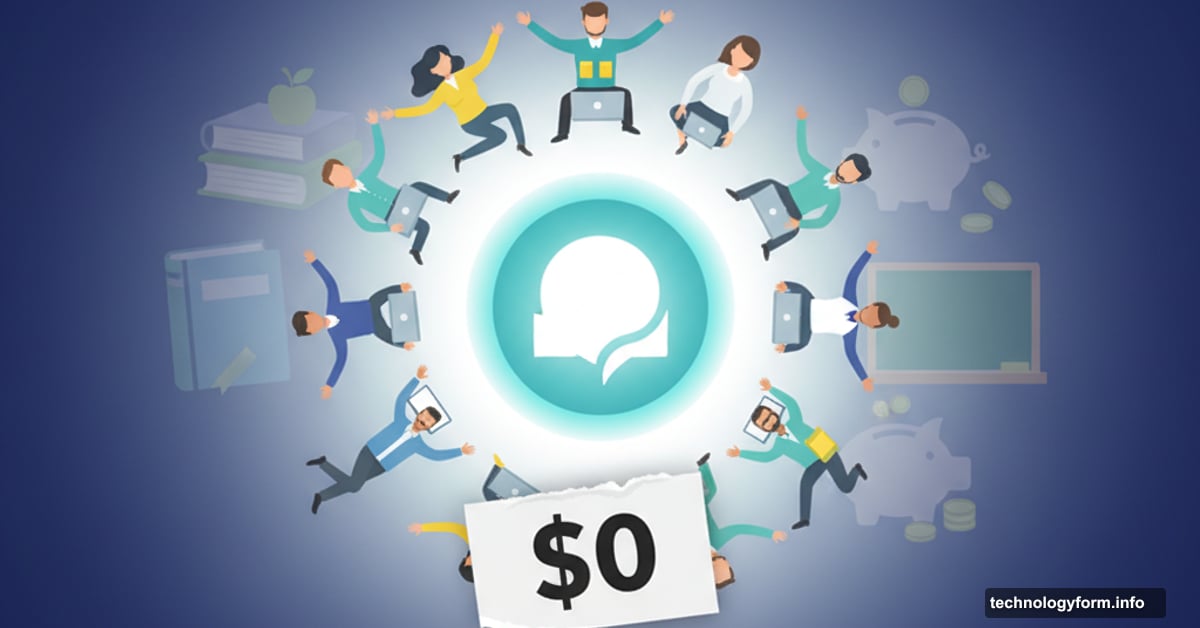
OpenAI handed every US teacher unlimited access to GPT-5.1. No cost. No catch. At least not until June 2027.
This changes how schools work with AI tools. Instead of paying per seat or rationing access, teachers now get the full platform. That includes advanced features most schools couldn’t afford before.
Plus, the timing matters. School budgets are tight. Technology spending gets scrutinized heavily. So a free premium AI tool solves a real problem for districts trying to modernize without breaking the bank.
What Teachers Actually Get
ChatGPT for Teachers isn’t a stripped-down education version. It’s the full GPT-5.1 Auto experience with zero message limits.
That means unlimited conversations with the most capable model OpenAI offers. Teachers can generate images, upload files, connect external apps, and use the built-in search feature. Moreover, the platform remembers context across sessions, making it actually useful for ongoing lesson planning.
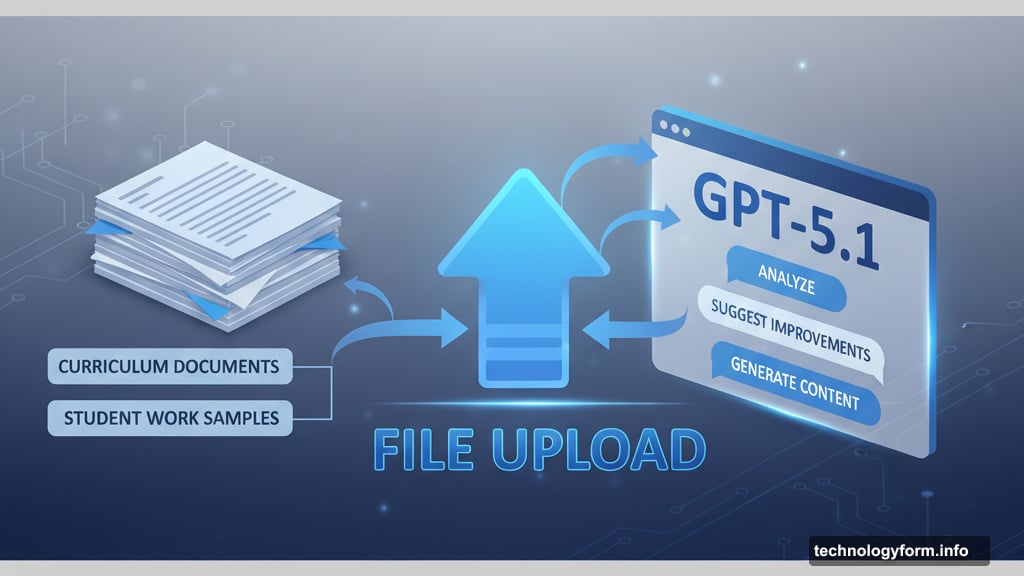
The file upload capability matters more than it sounds. Teachers can drop in curriculum documents, student work samples, or resource materials. Then ask GPT-5.1 to analyze them, suggest improvements, or generate related content. That’s a genuine time-saver for busy educators.
Privacy Gets Taken Seriously
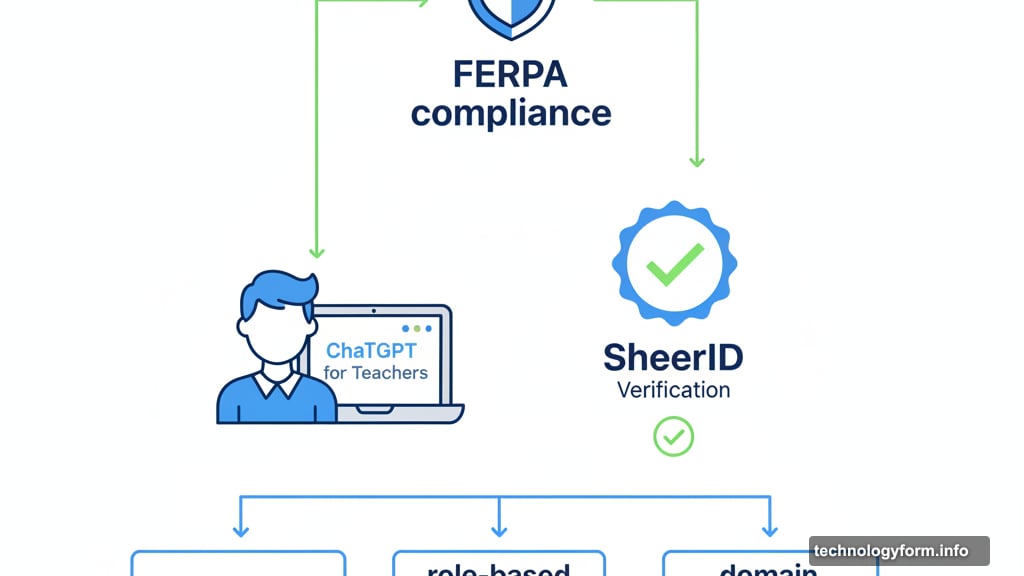
Here’s where OpenAI made smart choices. The teacher workspace complies with FERPA regulations automatically.
What does that mean? Anything shared in ChatGPT for Teachers stays private. OpenAI won’t use it to train future models. Student information remains protected by default. So teachers can upload real classroom materials without worrying about data leaks.
The verification process runs through SheerID, which confirms educator status securely. No manual approval process. No waiting for district IT departments. Teachers verify their credentials and start using the platform immediately.
District administrators get control too. They can manage accounts with role-based access, SAML SSO authentication, and centralized domain management. That keeps security consistent across multiple schools without creating administrative headaches.
Collaboration Finally Works
Individual teacher access only goes so far. The real power comes from shared workflows.
ChatGPT for Teachers lets educators share conversations with colleagues. That means one teacher can start planning a unit, share the chat, and another teacher can build on it. No more starting from scratch when multiple teachers cover the same material.
Custom GPTs add another layer. Teachers can create specialized AI assistants for specific tasks. Generate vocabulary quizzes. Adapt texts for different reading levels. Suggest differentiated activities. Then share those custom tools across their school or district.
The platform integrates with tools teachers already use. Canva for design work. Google Drive for file management. Microsoft 365 for document creation. So the AI fits into existing workflows instead of forcing teachers to learn entirely new systems.
Study Mode Changes Student Interaction
Students don’t just get answers dumped on them. Study Mode walks them through problems step by step.
This approach mirrors good tutoring. Instead of solving a math problem directly, the AI asks guiding questions. It prompts students to think through each step. Only after students engage with the process does it provide fuller explanations.
For teachers, that changes the homework equation. Students can get help without someone just doing the work for them. Meanwhile, teachers can see what concepts students struggle with based on their AI interactions.
Real Adoption Already Happened
OpenAI claims 800 million weekly ChatGPT users. Among those, teachers are disproportionately active.
Three in five educators already use some AI tool. That’s not future speculation. That’s current reality. So ChatGPT for Teachers builds on behavior that’s already widespread instead of trying to create new habits.
The platform includes examples from teachers actively using these tools. New users see concrete ideas for lesson planning, student feedback, and curriculum development. That lowers the learning curve significantly.
OpenAI partnered with the American Federation of Teachers to support 400,000 K-12 educators. Similar collaborations exist with education ministries in Estonia and Greece. These partnerships suggest serious investment in educator training, not just technology deployment.
The Economics Make Sense Now
Schools traditionally pay per seat for software licenses. That gets expensive fast when you’re talking about premium AI access.
Free access through June 2027 removes that barrier entirely. Districts can roll out AI tools without budget battles or funding approval processes. Teachers can experiment without worrying about cost justification.
But here’s the catch everyone should notice. June 2027 is when the bill comes due. Will schools pay for continued access? Will OpenAI maintain free tiers? Or will districts face difficult decisions about tools teachers now depend on?
For now, though, the economics work. Schools get premium capabilities. Teachers save prep time. Students gain AI literacy. Nobody pays anything.
Why This Timing Matters
AI in education moves fast. Districts trying to develop policies often lag behind teacher adoption.
ChatGPT for Teachers gives schools a structured way forward. Instead of teachers using consumer ChatGPT accounts with unclear privacy protections, districts now have a compliant option. That helps IT departments and administrators sleep better at night.
The platform also shifts the conversation from “should we use AI” to “how do we use it well.” Schools can stop debating whether AI belongs in classrooms. Instead, they can focus on training, implementation, and best practices.
The Real Question Nobody’s Asking
OpenAI just gave away premium access to millions of educators. That’s a lot of compute power with zero revenue.
Why do it? The obvious answer is market positioning. Get teachers comfortable with ChatGPT. Make it indispensable. Then when 2027 arrives, schools will pay to keep the tools they’ve integrated into daily workflows.
Plus, student exposure matters. Kids who grow up using ChatGPT in school become the workers who demand it in professional settings. That’s long-term customer development disguised as educational philanthropy.
But honestly? Even knowing the strategy, the tool still helps teachers right now. The prep time saved is real. The collaboration features work. The privacy protections matter.
So use it. Build workflows around it. Train your staff on it. Just remember June 2027 is coming. And when it does, you’ll need budget approval for something your school can’t function without.