Why Chatbots Fail at Home Security Questions
AI chatbots mess up security advice constantly. I’ve tested them repeatedly, and the results aren’t pretty.
These tools excel at summarizing recipes or explaining concepts. But ask about your home’s safety? They hallucinate facts, miss critical updates, and offer vague answers that waste your time. Let’s examine exactly where they fail and why you need better sources.
Tesla Spying Myths and AI Hallucinations
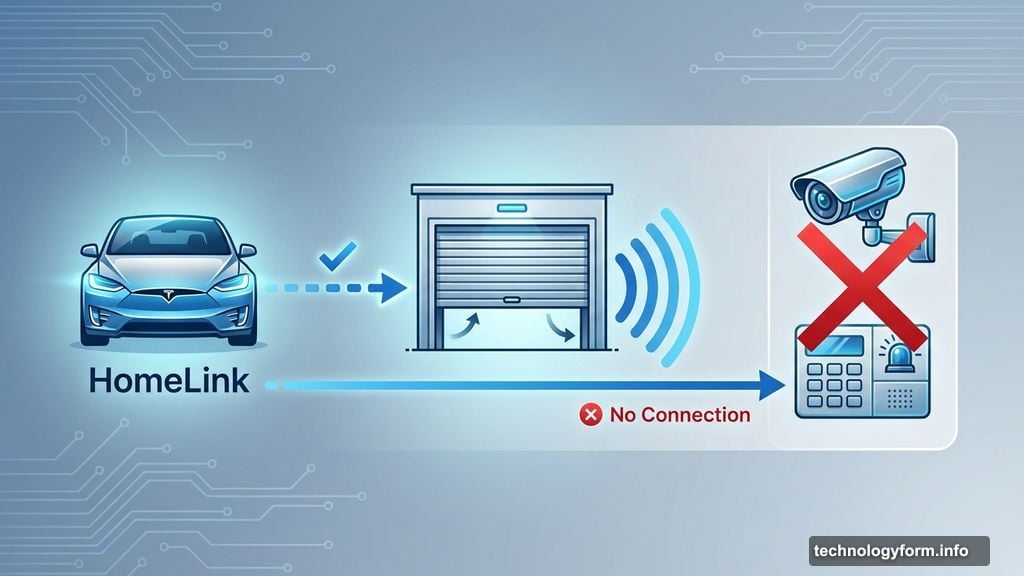
One Reddit user asked a chatbot about Tesla connections to home security systems. The AI confidently claimed Teslas could access and monitor home security setups.
Complete fiction. Teslas use HomeLink to open compatible garage doors. That’s it. No security system access exists.
This represents a classic AI hallucination. The chatbot mashed together real features with imagined capabilities. Google Gemini suffers from similar issues, fabricating details that sound plausible but aren’t true.
When I tested ChatGPT with the same question, it avoided that specific mistake. However, it omitted HomeLink entirely. So you still don’t get accurate information. Just different types of errors.
Real-Time Disaster Tracking Isn’t Their Thing
Conversational AI completely fails during natural disasters. I tested this during Hurricane Milton’s approach.
I asked ChatGPT whether my home faced danger and where Milton would hit. The response? “Consult local weather channels and emergency services.” Thanks for nothing.
These systems can’t process real-time data effectively. They lack current weather patterns, evacuation routes, or emergency updates. Meanwhile, actual disasters demand immediate, accurate information.
Better alternatives exist. Watch Duty provides live wildfire tracking. Weather apps show current storm paths. Local news stations broadcast evacuation orders. Skip the chatbot entirely when disaster threatens.
Security Breach Histories Come Out Wrong
AI chatbots should excel at summarizing company security records. Instead, they butcher timelines and miss crucial events.
Take Ring’s security history. ChatGPT mentioned Ring experienced security incidents but couldn’t specify when. It omitted the 2024 policy change that restricted police access to cloud data. It skipped Ring’s customer payout completion this year.
So you get a vague “yes, problems happened” without context about severity, timing, or resolution.
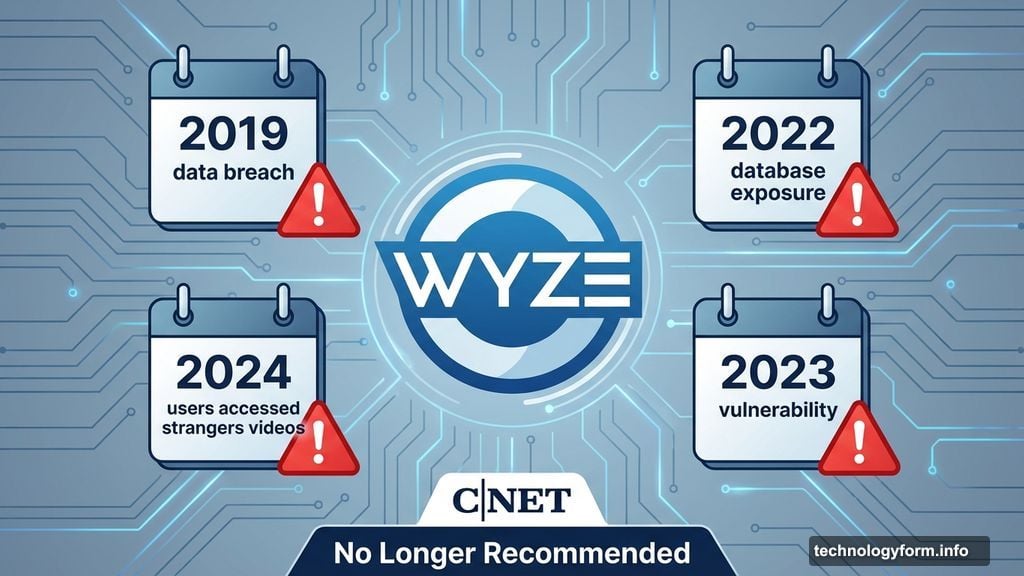
Wyze’s track record looks even worse under AI scrutiny. ChatGPT called Wyze a “good option” while mentioning one 2019 data breach. But it missed the 2022 database exposure. And the 2023 vulnerability. And the 2024 incident where users accessed strangers’ home videos.
CNET stopped recommending Wyze for good reasons. ChatGPT doesn’t grasp why those reasons matter or how patterns of failures indicate systemic problems.
Subscription Requirements Stay Mysterious
Simple question: Does Reolink require subscriptions? ChatGPT can’t answer clearly.
The response rambled about “basic features” possibly being free while “advanced features” might need subscriptions. I asked specifically about the Reolink Argus 4 Pro. Same vague nonsense about some things being free and others possibly requiring payment.
Zero useful numbers. No tier breakdowns. Nothing actionable.
Meanwhile, Reolink’s subscription page shows exact pricing. Classic tier costs $6 to $7 monthly for LTE cameras. Upgraded tier runs $15 to $25 for extra cloud storage and smart alerts. Finding those numbers takes 30 seconds of actual research.
Plus, CNET maintains detailed guides about security camera subscriptions across brands. Real answers exist. Chatbots just can’t deliver them reliably.
Brand Comparisons Come With Blind Spots
AI struggles to evaluate security brands fairly. It misses context about why certain companies earn recommendations while others don’t.
ChatGPT can list features. It compiles specifications. But it fails at weighing factors like:
- Frequency of security vulnerabilities over time
- How quickly companies patch discovered flaws
- Whether data breaches resulted from negligence
- Customer service quality during incidents
- Transparency about limitations and risks
These nuanced judgments require understanding industry standards and tracking company behavior across years. LLMs aren’t equipped for that analysis yet.
Never Share Personal Details With Chatbots
Critical warning: Never give chatbots your home address, living situation, or payment information.
ChatGPT suffered bugs before that exposed private user data. Other users could spy on conversations containing personal details. That’s terrifying when discussing home security.
LLM privacy policies remain vague about data usage. They update terms regularly. Many allow profiling and selling collected information. Social media already scrapes too much personal data. Don’t hand over more directly.
Be careful phrasing questions too. Avoid revealing identifying details even in how you ask. Bad actors constantly look for exploitable information.
If you’ve shared your address online too freely already, guides exist to help remove that data from public databases. Take those steps now.
Where to Find Real Security Answers
Skip the chatbot for home security questions. Use these resources instead:
For brand research: Check CNET’s security camera and system reviews. We test products thoroughly and track company security histories. Our recommendations reflect actual performance and trustworthiness.
For disasters: Monitor Watch Duty for wildfires. Use weather apps with live satellite data. Follow local emergency services on social media. These sources provide current, actionable information.
For subscriptions: Visit manufacturer websites directly. Read detailed breakdowns on sites like CNET that compare costs across brands. You’ll get exact pricing and tier details.
For breaches: Search news archives for specific company names and “data breach” or “security vulnerability.” Look for patterns across years. Check if companies addressed problems transparently.
For product specs: Manufacturer websites and professional reviews tell you what devices actually do. Not what AI thinks they might do.
The Core Problem With Security AI
Chatbots optimize for agreement and quick answers. That creates fundamental conflicts with security needs.
Security requires skepticism. Chatbots avoid disagreement. Security demands current information. Chatbots train on old data. Security needs specifics. Chatbots prefer vague summaries.
These aren’t bugs. They’re features of how LLMs work. The systems aren’t designed to handle topics where wrong answers create real harm.
Your home’s safety matters too much for hallucinated facts and outdated summaries. Stick with expert sources that test products, track security records, and update information as situations change.
That’s how you make informed decisions that actually protect your home and family.