You Can’t Trust Your Eyes Anymore. Instagram’s Boss Just Admitted It
Instagram head Adam Mosseri dropped a truth bomb to close out 2025. Photos and videos? You can’t believe them anymore.
For decades, we assumed images captured real moments. That assumption just died. AI can now create flawless fakes indistinguishable from reality. So we’re entering an era where skepticism beats trust every single time.
Mosseri’s warning lands late. We’ve spent years watching AI image tools evolve from curiosity to crisis. But his 20-slide manifesto reveals how platforms like Instagram plan to survive when nothing looks real anymore.
The Professional Look Became the Red Flag
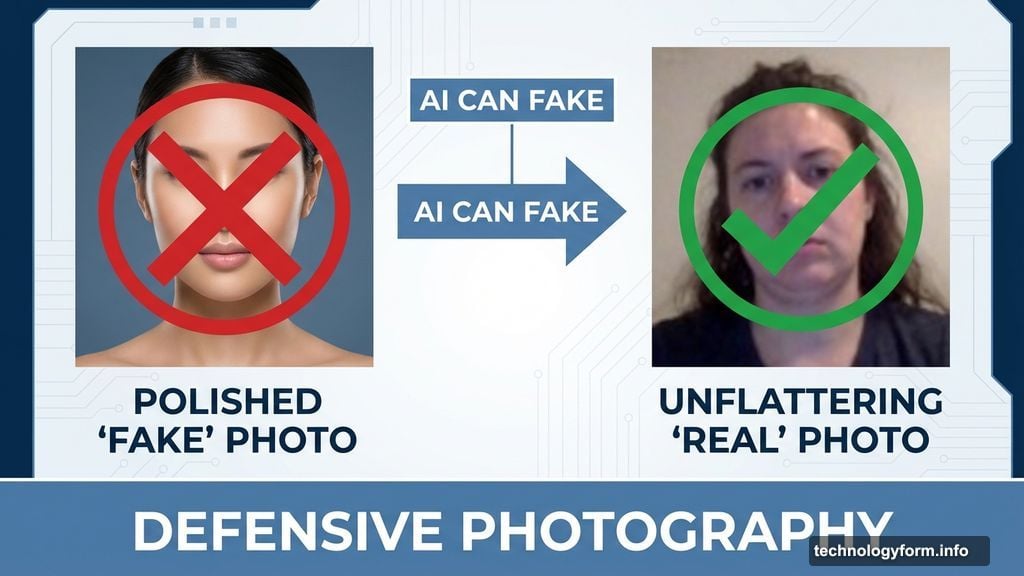
Here’s the twist nobody saw coming. Polished photos now signal fakery.
Camera companies bet wrong. They’re helping everyone shoot like pro photographers from 2015. Smooth skin, perfect lighting, flawless composition. But that’s exactly what AI generates effortlessly now.
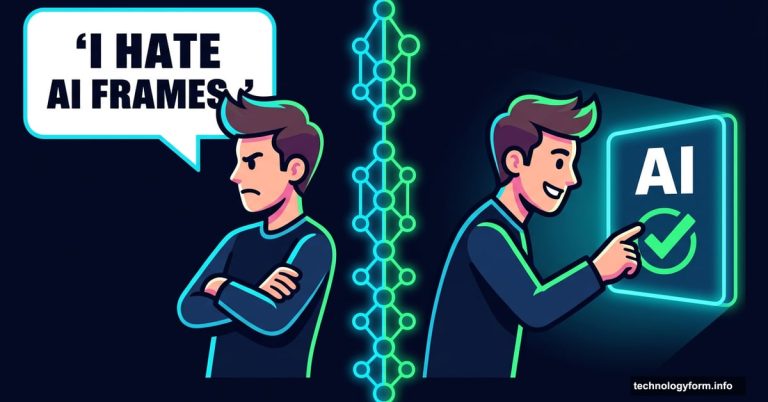
So creators flipped the script. Raw, unflattering images became proof of authenticity. Blurry shots, bad angles, unflattering candids. These imperfections signal “this actually happened” because AI hasn’t mastered realistic messiness yet.
Mosseri calls it defensive photography. People shoot ugly on purpose to prove they’re human. That shoe photo in terrible lighting? It’s a statement that says “AI wouldn’t create this garbage, so it must be real.”
AI Will Fake Imperfection Too
The raw aesthetic won’t save us for long.
AI already generates photorealistic images. Soon it’ll master authentic-looking imperfection too. Slightly out-of-focus shots. Natural skin texture. Candid moments that feel stolen from real life.
Then what? Mosseri says we’ll stop judging content by how it looks. Instead, we’ll focus on who shared it and why. Trust shifts from “does this look real” to “do I trust this person.”
That’s a massive cognitive shift. Humans evolved to believe our eyes. Fighting that instinct feels uncomfortable. But we won’t have a choice.
Instagram’s Polished Feed Already Died
Remember when Instagram meant perfectly curated squares? That version died years ago.
People stopped posting personal moments to feeds. Instead, they share raw daily life through DMs. Shaky videos, blurry photos, unflattering angles. This private sharing shaped public content too.
The shift happened because perfection became cheap. Anyone can generate flawless imagery now. So imperfection gained value as a marker of reality.
But Mosseri admits platforms face a losing battle. Instagram might label AI content today. Yet AI improves faster than detection methods. Labels and watermarks won’t work long-term.
Camera Fingerprints Beat Content Tags
The solution? Mark real photos at creation, not AI fakes after generation.
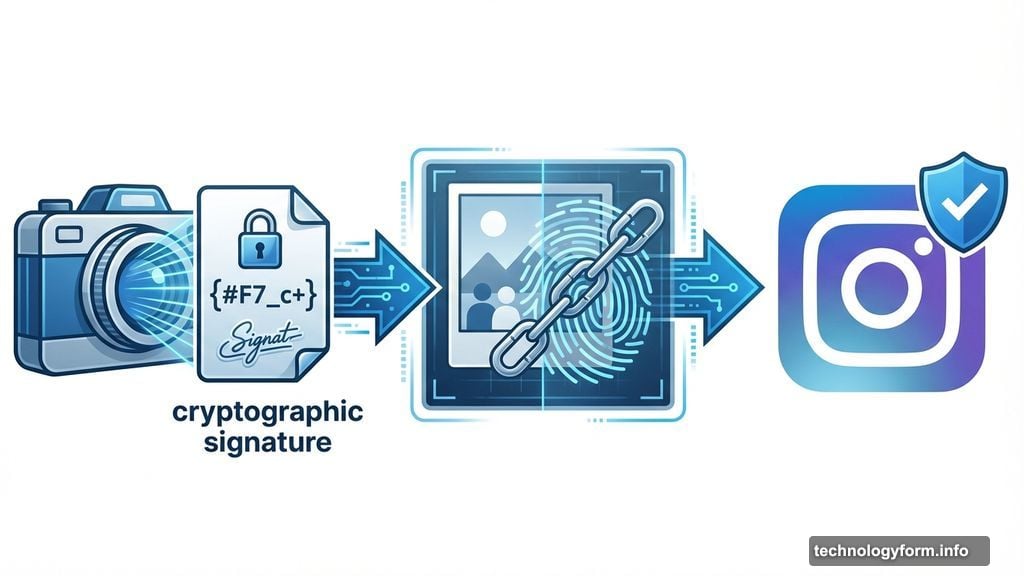
Camera manufacturers plan to cryptographically sign images when captured. Each photo gets a digital fingerprint proving its origin. This creates a chain of custody from camera to viewer.
Fingerprinting real media beats chasing fake content. AI generates infinite variations. But authentic captures from verified cameras are finite and traceable.
Still, this requires hardware cooperation. Your phone’s camera needs signing capability. So does your DSLR, security system, and every other image-capture device. That’s a slow rollout.
Context Becomes Everything
Labeling AI content solves only part of the problem. We need context about who shares content and why.
Instagram must surface credibility signals. Who runs this account? What’s their history? Why should I trust them? These questions matter more than whether pixels look real.
Platforms that provide transparency will earn trust. Those that don’t will drown in skepticism. Users will demand proof of identity and accountability.
But here’s the tension. Many creators value privacy. Requiring identity verification conflicts with anonymous speech. So platforms must balance trust with freedom.
Creators Who Build Trust Will Win
Infinite content means infinite doubt. But authentic creators can still stand out.
The bar shifted from “can you create” to “can you make something only you could create.” Generic AI slop floods every platform. So distinctive voice and consistent identity become scarce resources.
Creators who maintain transparency will dominate. Those who explain their process, show their face, and prove their consistency build loyal audiences. Trust becomes the ultimate competitive advantage.
Mosseri claims demand for creator content will rise, not fall. Audiences crave authentic voices amid AI noise. They’ll pay attention to people they trust even as they ignore perfect AI generations.
Tech Execs Finally Admit the Problem
Mosseri isn’t alone in recognizing this crisis. Samsung’s Patrick Chomet claimed “there is no such thing as a real picture” after Galaxy phones faked Moon photos. Apple’s Craig Federighi told the Wall Street Journal he’s “concerned” about AI editing’s impact.
Yet these admissions ring hollow. These same companies pushed AI editing tools aggressively. They marketed “magic” photo enhancement while downplaying authenticity concerns.
Now they act surprised that trust collapsed. But they saw this coming. They just prioritized product features over societal impact.
The proposed solutions feel thin too. Labels, fingerprints, verification badges. These might slow the crisis. But they won’t solve the fundamental problem that seeing no longer means believing.
We’re Genetically Wired to Trust Our Eyes
Adapting to visual skepticism will take years. Maybe decades.
Humans evolved to trust vision. Our brains process images instantly and assume accuracy. Fighting that instinct requires conscious effort every single time.
Children growing up now will learn skepticism as default. They’ll question every image automatically. But adults must retrain decades of visual trust. That’s hard.
Meanwhile, bad actors exploit our visual bias. Deepfakes spread faster than corrections. Fake news looks real. Political manipulation becomes trivial when anyone can generate convincing imagery.
The platforms knew this was coming. They built the tools anyway. Now they’re scrambling to contain damage they helped create.
Instagram will evolve. Platforms will add verification tools and credibility signals. But the age of visual innocence ended permanently. We can’t trust our eyes anymore. And that changes everything about how we consume information online.
The question isn’t whether platforms can fix this. It’s whether we can adapt fast enough to survive what comes next.