Google’s AI Summaries Put Lives at Risk. Now They’re Scrambling to Fix It
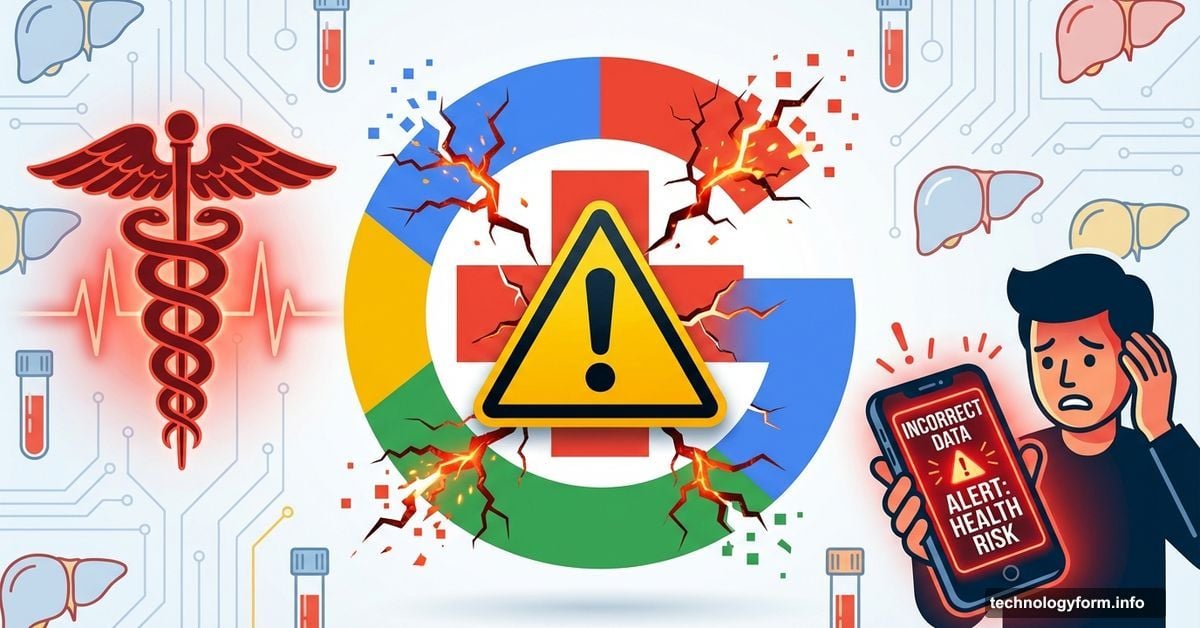
Google just pulled several AI-powered health summaries after they served up dangerously wrong medical information. People searching for basic liver test results got bogus data that could convince someone with serious liver disease they’re perfectly healthy.
The company claims its AI Overviews are “helpful” and “reliable.” But a new investigation by The Guardian exposed serious flaws. Plus, experts are calling the errors “dangerous” and “alarming.” This isn’t just embarrassing for Google. It’s potentially life-threatening.
What Google Got Catastrophically Wrong
The AI Overviews feature appears at the top of Google search results. It uses generative AI to create quick summaries about topics and questions. Sounds convenient. But the system made critical errors about liver function tests.
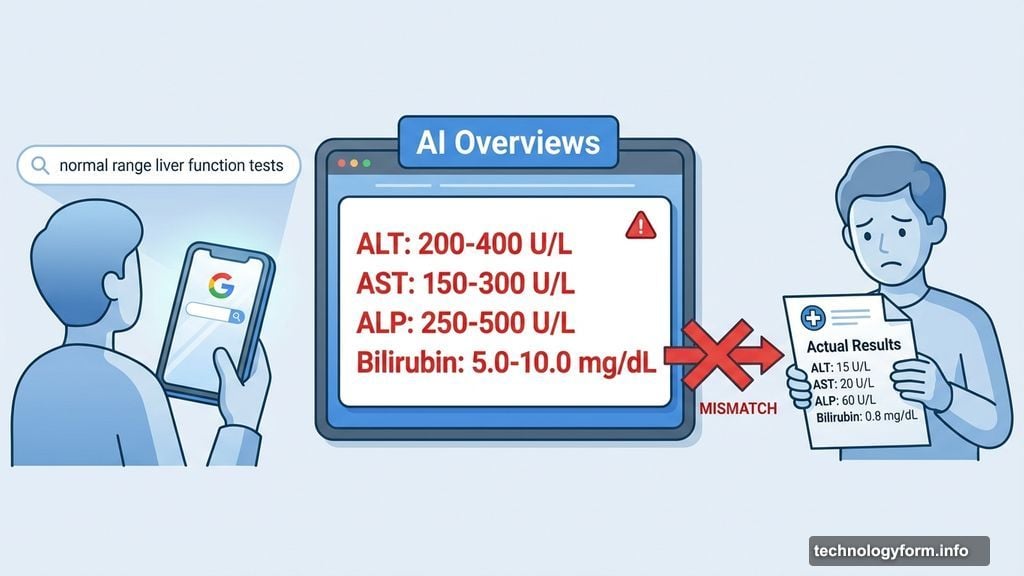
When users searched for “what is the normal range for liver blood tests” or “what is the normal range for liver function tests,” Google’s AI provided incorrect information. The false data could mislead someone into thinking their liver is fine when it’s actually failing.
Think about that for a second. Someone gets blood work done. They’re worried about the results. So they Google what’s normal. Google’s AI tells them everything looks fine. Meanwhile, they actually need urgent medical care.
That’s not a minor inconvenience. It’s genuinely dangerous.
Google Removed the Worst Examples
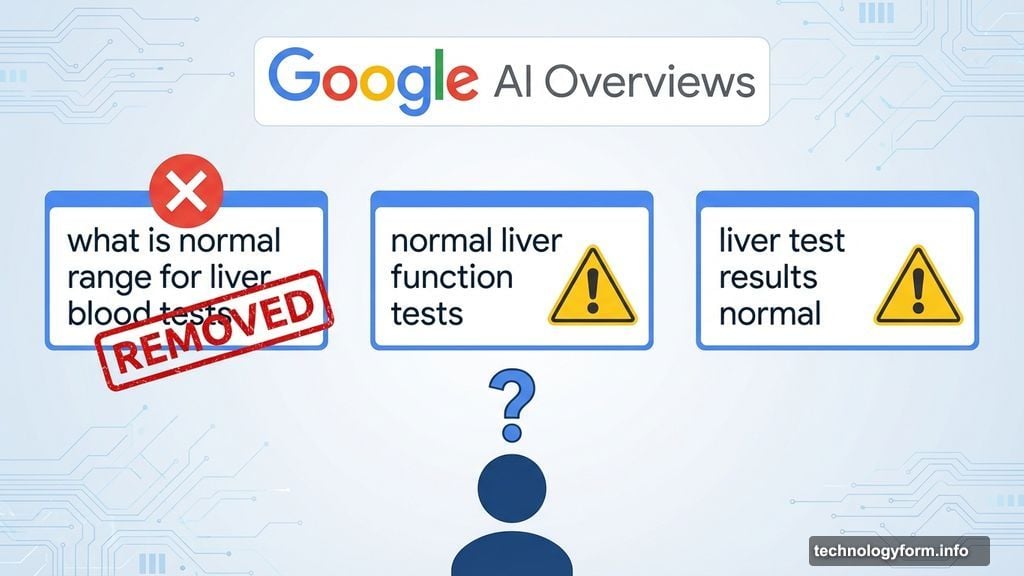
After The Guardian investigation, Google quietly pulled those specific AI Overviews. The company won’t comment on individual removals. But they did offer a vague statement about making “broad improvements” when AI Overviews “miss some context.”
However, that doesn’t solve the underlying problem. Vanessa Hebditch from the British Liver Trust praised removing the false information. But she pointed out a glaring issue: “If the question is asked in a different way, a potentially misleading AI Overview may still be given.”
In other words, Google only fixed the exact search queries that got media attention. Change your wording slightly? You might still get dangerous misinformation.
The Problem Extends Beyond Liver Tests
AI Overviews still appear for searches about cancer and mental health. Google says those link to reputable sources and tell people when to seek expert advice. A spokesperson claimed their internal medical team reviewed the flagged content and found most information “was not inaccurate.”
Most? What about the rest?
Google insists AI Overviews only show up when they have “high confidence” in the quality of responses. They say they regularly measure and review summary quality across different categories.
Yet they clearly missed these liver test errors. So how confident should we be in their confidence?
Why This Matters More Than You Think
Health misinformation kills people. That’s not hyperbole. When someone gets wrong information about serious medical conditions, they delay treatment. They skip doctor visits. They ignore warning signs.
Google dominates search. Over 90% of worldwide searches happen on Google. When their AI provides medical summaries, people trust them. They assume Google verified the information. They believe the AI knows what it’s talking about.
But AI doesn’t actually know anything. It generates text based on patterns in training data. Sometimes those patterns produce accurate information. Sometimes they produce dangerous nonsense. The AI can’t tell the difference.
Moreover, Google positioned AI Overviews as authoritative by placing them at the top of search results. That prominent placement signals credibility. Users naturally trust information Google highlights above everything else.
Tech Companies Keep Rushing AI to Market
Google isn’t alone in pushing out half-baked AI features. Every major tech company is racing to add AI to their products. They’re terrified of falling behind competitors. So they ship features before thoroughly testing them.
Microsoft did it with Bing Chat. Meta did it with AI profiles. OpenAI keeps releasing new ChatGPT features despite ongoing accuracy problems. The pattern repeats across the industry.
Why? Because the first mover in AI gets massive attention and user adoption. Being second or third means potentially losing market share. So companies prioritize speed over safety.
That calculation makes sense for their bottom line. But it’s a terrible deal for users who rely on accurate information. Especially when that information impacts health decisions.
What Should Change
First, Google should remove AI Overviews from all health-related searches until they can guarantee accuracy. Not 95% accuracy. Not “high confidence.” Actual, verified accuracy.
Second, tech companies need independent medical review before launching health AI features. Internal teams aren’t enough. They’re biased toward approving their own products. Outside experts should test and validate health AI before it reaches users.
Third, regulators need to treat AI health information like medical devices. If a blood pressure monitor gives false readings, it gets recalled. Why should AI summaries that provide false medical information face no consequences?
Finally, users should know when they’re getting AI-generated health information. Google should clearly label AI Overviews as “AI-generated” and warn users to verify critical information with healthcare professionals.
The Real Test Ahead
Google’s response matters less than what happens next. Will they thoroughly audit all health-related AI Overviews? Will they implement stronger safeguards? Or will they just fix the specific examples that got media attention and hope nobody notices future problems?
So far, the signs aren’t encouraging. They removed a couple of specific search queries. But the underlying system remains unchanged. AI Overviews still appear for health searches. The same technology that failed on liver tests is still providing medical summaries.
Until Google proves they can consistently deliver accurate health information, they shouldn’t be in the health information business at all. Lives literally depend on getting this right.