Meta Just Deleted 550,000 Teen Accounts. Australia’s New Law Hit Hard
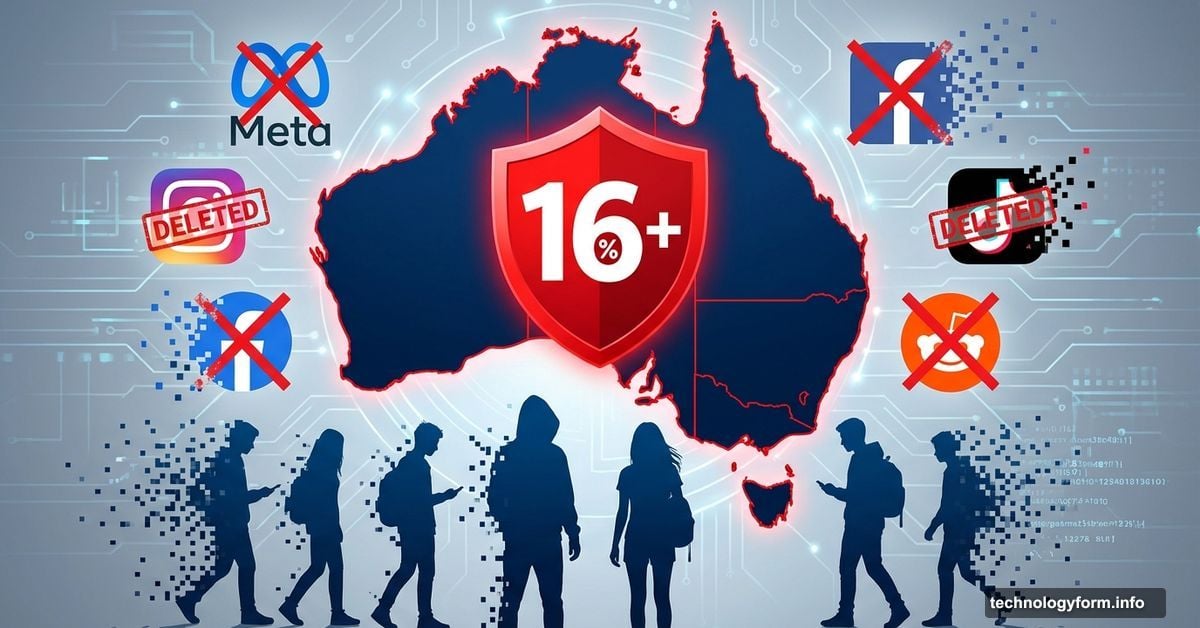
Meta pulled the plug on nearly half a million accounts last month. The reason? Australia’s bold new under-16 social media ban kicked in, and the company had no choice.
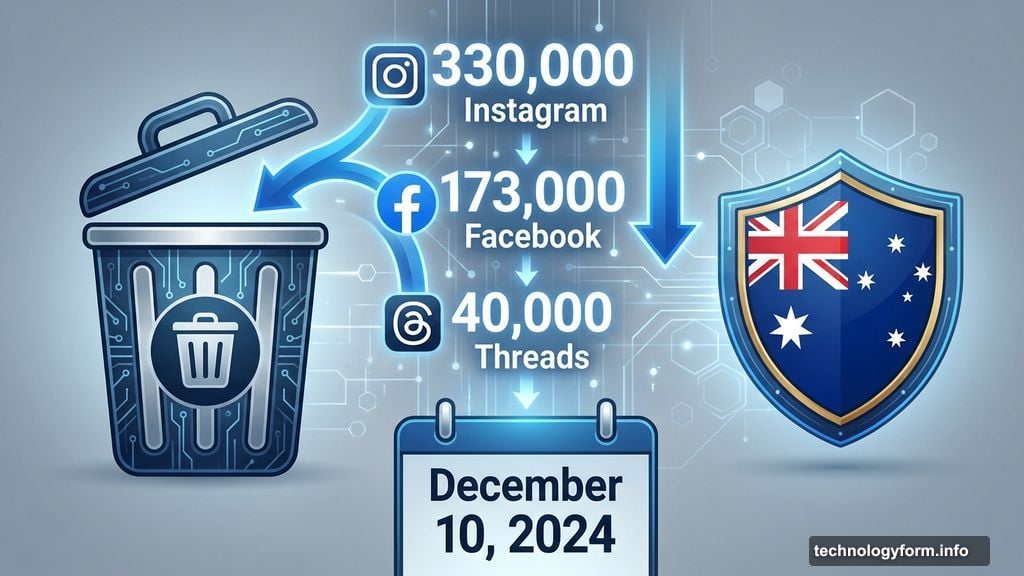
This isn’t a small cleanup operation. We’re talking 330,000 Instagram accounts, 173,000 Facebook profiles, and 40,000 Threads users—all gone. Australia became the first democratic nation to enforce such a sweeping age restriction, and tech giants are scrambling to comply.
But here’s the thing. Nobody’s happy about how this is playing out.
The Ban That Changed Everything
Australia’s minimum age law took effect December 10, 2024. Ten major platforms now face a brutal choice: block underage users or pay up to $33 million in fines.
The affected platforms read like a who’s who of social media. Facebook, Instagram, TikTok, Snapchat, X, Reddit, and Twitch all made the list. Plus, each one now scrambles to verify user ages without a standardized industry approach.
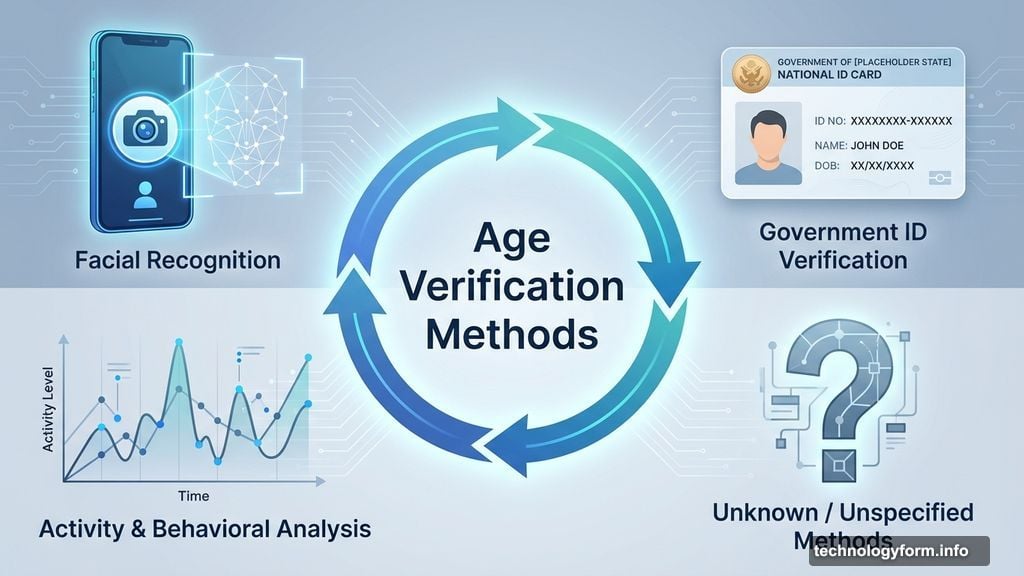
So how do they check ages? The methods vary wildly. Some platforms analyze user activity patterns. Others require selfies for age inference. Yet no consistent system exists across the board.
That inconsistency creates serious problems. Privacy advocates worry about what happens to all that biometric data. Meanwhile, free speech concerns emerge when platforms demand government IDs just to post memes.
Platforms Fight Back Hard
Not everyone’s accepting this quietly. Reddit actually sued the Australian government over the ban.
Their argument? Reddit isn’t social media. Instead, the company claims it operates as a discussion forum, which shouldn’t fall under the new restrictions. Moreover, Reddit’s lawyers cite “serious privacy and political expression issues” that the law creates.
That’s a bold stance. But it reveals how these platforms view the regulation: poorly thought out and overly broad.
Meta joined the criticism too. The company published detailed concerns on Medium, arguing the ban creates more problems than it solves. Their main worry? Teens will simply migrate to “less regulated parts of the internet” where no oversight exists at all.
Think about that. Banning teens from mainstream platforms doesn’t eliminate their online activity. Instead, it pushes them toward darker corners where predators face zero accountability and content moderation doesn’t exist.
The Privacy Nightmare Nobody Predicted
Here’s where things get messy. Verifying ages online requires collecting sensitive data.
Some platforms scan faces. Others track behavioral patterns. A few demand government identification. Yet Australia provided no clear guidance on which methods satisfy the law.
So platforms improvise. That means teens and adults alike must surrender more personal information just to access services they previously used freely. Your browsing habits, facial features, and activity patterns all become data points for age verification algorithms.
Plus, this data doesn’t just disappear. Companies store it, analyze it, and—let’s be honest—probably monetize it eventually. The law intended to protect teens but instead created a massive data collection operation affecting everyone.
Meta’s Contradictions Run Deep
Meta claims it opposes the ban for noble reasons. They argue social media provides crucial support networks for vulnerable teens. Online communities help isolated kids find acceptance and resources they can’t access offline.
Fair point. But here’s the contradiction: Meta’s own track record on teen safety is terrible.
Previous investigations revealed the company downplayed harm to children. Internal documents showed Meta knew Instagram damaged teen mental health, particularly among girls. Yet executives chose growth over safety repeatedly.
So when Meta now positions itself as a defender of teen welfare, that rings hollow. The company’s primary concern isn’t teen isolation. It’s losing nearly 550,000 users—and the revenue they represent.
The Real Cost of Compliance
Let’s talk numbers. Meta removed 543,000 accounts in just one month. That’s a significant user base vanishing overnight.
Each account represented potential advertising revenue. Teens might not buy products directly, but they influence family purchases and build platform loyalty early. Losing them now means losing future adult users who grew up elsewhere.
Moreover, this sets a precedent. If Australia’s ban succeeds, other countries will follow. The European Union already debates similar measures. American states explore their own restrictions. Meta faces potential erosion of its youngest user base globally.
That’s why the company complains so loudly while simultaneously complying quickly. They need to appear responsible to regulators while lobbying hard against expansion of these laws.
What Happens to Banned Teens
So where do 550,000 displaced users go? Meta suggests “less regulated parts of the internet,” but that’s vague corporate speak for dangerous territory.
Options include encrypted messaging apps with zero moderation. Anonymous forums where predators operate freely. Foreign platforms that ignore Western safety standards entirely. None of these alternatives protect teens better than regulated social media.
Plus, many teens will simply lie about their ages. They’ll create new accounts using false birthdates. That’s always been easy, and age verification systems can’t catch everyone.
The result? A false sense of security. Politicians claim victory for protecting children. Parents believe their teens are offline. Meanwhile, kids access the same platforms through deception or migrate to worse alternatives.
The Industry Standard That Doesn’t Exist
Meta’s most legitimate complaint involves the lack of standardized age verification. Each platform invents its own system, creating inconsistent experiences and privacy risks.
What should a proper standard look like? Ideally, a third-party verification service that doesn’t share data with platforms. Users verify once, receive a token, and platforms check the token without accessing underlying personal information.
But building that infrastructure takes time and cooperation. Australia didn’t wait for industry consensus. Instead, they pushed legislation first and expected companies to figure out compliance later.
That’s politically expedient but technically messy. Now platforms cobble together solutions that may satisfy the law but frustrate users and create security vulnerabilities.
Why This Matters Beyond Australia
Australia’s experiment will shape global policy. Other nations watch closely to see what works and what backfires.
Early results show compliance is possible but painful. Platforms can remove underage users at scale. However, the methods remain crude, the privacy costs are high, and effectiveness is questionable.
If the ban reduces teen social media use without pushing them toward dangerous alternatives, expect similar laws worldwide. But if Australian teens simply bypass restrictions while mainstream platforms lose legitimate users, the model falls apart.
Right now, nobody knows which outcome will prevail. We’re watching a massive social experiment unfold in real time.
The Part Meta Won’t Admit
Here’s what Meta’s Medium post carefully avoids: they built products specifically designed to addict young users.
Internal documents from previous lawsuits reveal deliberate decisions to maximize engagement among teens. Features like infinite scroll, push notifications, and algorithmic feeds all target psychological vulnerabilities. The younger the user, the more susceptible they are to these tactics.
So Meta’s current position—that banning teens causes harm—ignores their role in creating that harm initially. They profited enormously from teen engagement while downplaying documented mental health impacts.
Now they lose access to that user base and cry foul. The irony is thick. These platforms spent years optimizing for teen addiction, then act shocked when regulators finally respond.
What Comes Next
Australia’s law includes a review period. Regulators will assess effectiveness after 12 months and adjust accordingly.
That means the current ban might tighten or loosen based on results. If teen online safety improves measurably, expect stricter enforcement. If problems emerge—like teens accessing worse platforms—the law could soften.
Meanwhile, other democracies draft their own versions. The EU considers bloc-wide restrictions. Canada debates provincial bans. American states push competing proposals.
The question isn’t whether age restrictions spread. It’s what form they take and whether they actually protect kids or just create the illusion of safety.
The Uncomfortable Truth
Nobody handled this situation well. Australia rushed legislation without adequate technical preparation. Platforms like Meta opposed reasonable safety measures for years until forced to comply. Parents and advocacy groups demanded action without considering unintended consequences.
Now we’re stuck with a messy compromise. Teens lose access to mainstream platforms that, for all their flaws, at least have some moderation. Platforms lose users and revenue. Privacy erodes as age verification demands more data.
And the core problem—that social media can harm young people—remains unsolved. Moving teens off Instagram doesn’t address algorithmic manipulation, attention exploitation, or mental health impacts. It just relocates the battlefield.
Real solutions require platform redesign, not age gates. Features that prioritize well-being over engagement. Algorithms that don’t exploit psychological vulnerabilities. Business models that don’t depend on addiction.
But those changes threaten profits. So instead we get account deletions and legislative band-aids while fundamental problems persist.