ChatGPT Can’t Do Everything. Skip These 11 Tasks
ChatGPT answers questions instantly. That convenience feels magical until it feeds you dangerous advice.
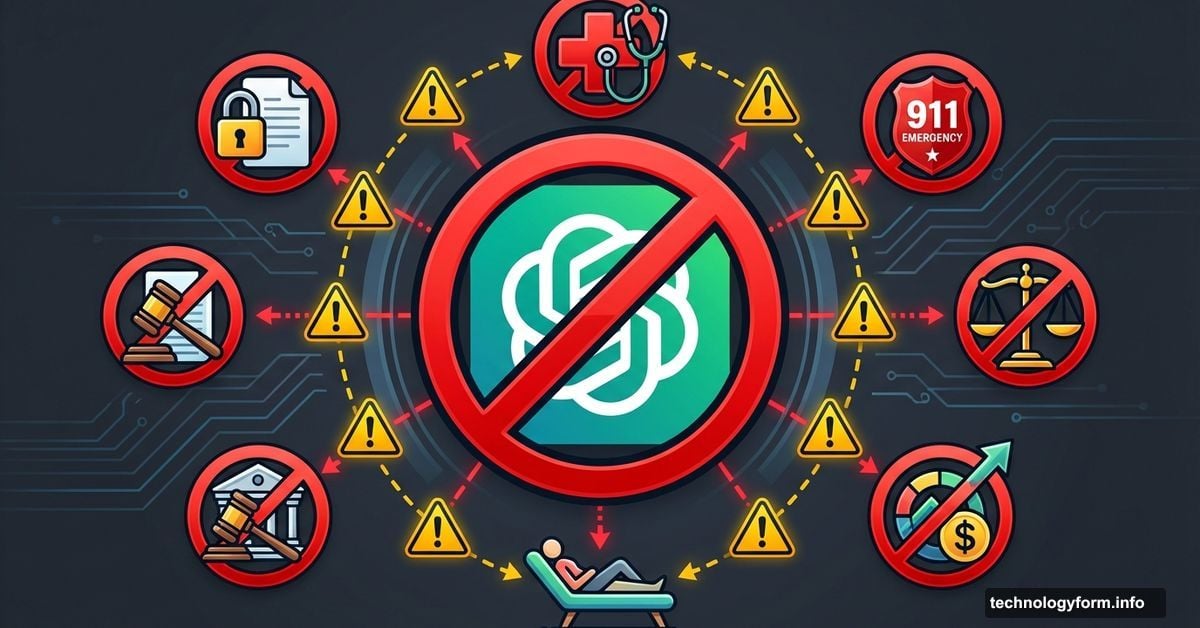
I’ve watched people trust AI for medical diagnoses, tax planning, and legal contracts. Bad idea. These chatbots hallucinate facts, miss context, and lack real expertise. Plus, they can’t call 911 or carry malpractice insurance.
So before you ask ChatGPT something important, understand where it fails spectacularly.
Health Symptoms Aren’t AI Territory
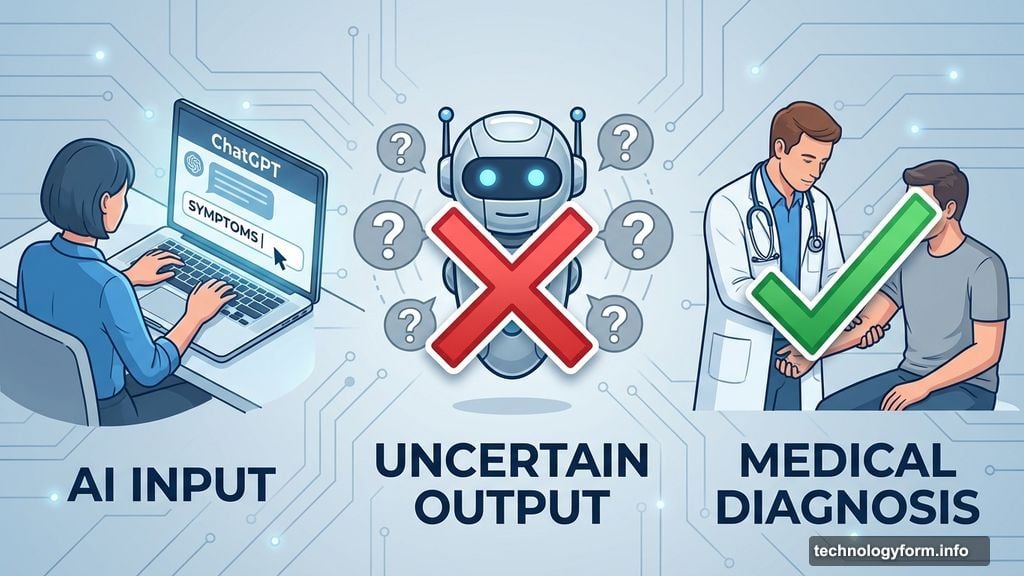
Typing symptoms into ChatGPT sounds harmless. Then it suggests cancer when you actually have a common lipoma.
I tried this myself. Fed ChatGPT my chest lump symptoms. Back came a terrifying list of potential diagnoses, including various cancers. Turns out I had a lipoma—a harmless fatty deposit that affects one in 1,000 people. My actual doctor told me that after an examination.
ChatGPT can’t order blood tests. It won’t examine you physically. And it definitely won’t take responsibility if its advice causes harm.
However, it works fine for drafting appointment questions or translating medical jargon. Just don’t let it replace your doctor’s expertise. Keep those boundaries clear.
Mental Health Needs Human Connection
Some people use ChatGPT as a therapy substitute. That’s risky for several reasons.
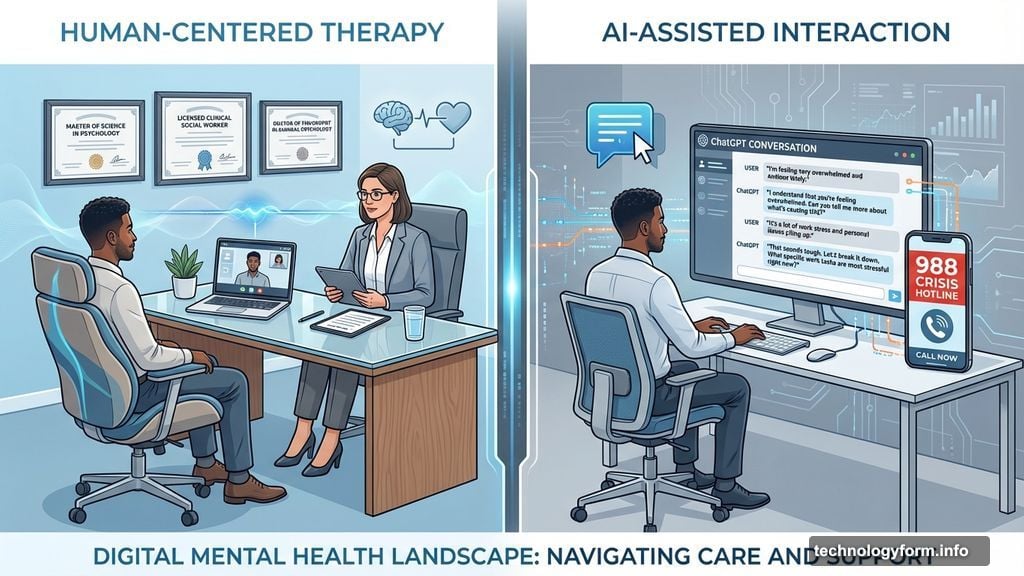
Licensed therapists operate under legal mandates and ethical codes. They read body language, pick up on tone shifts, and adjust based on your reactions. ChatGPT does none of that. It just simulates empathy based on text patterns.
Sure, it might offer grounding techniques or coping strategies. But it can’t detect suicidal ideation properly. It won’t notice red flags a trained professional would catch immediately. And its advice might accidentally reinforce harmful thinking patterns baked into its training data.
Real therapy involves messy, difficult human work. Leave that to actual humans with proper training. If you’re in crisis, dial 988 in the US or your local emergency number.
Emergency Situations Demand Real Action
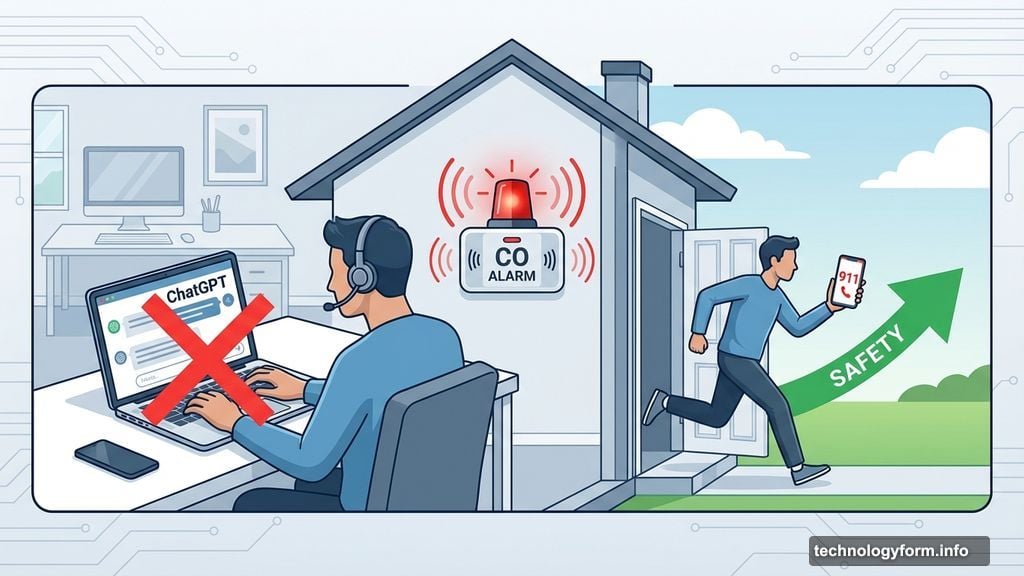
Your carbon monoxide alarm starts beeping. Do you open ChatGPT to check if it’s serious?
Absolutely not. Get outside first. Ask questions later.
Large language models can’t smell gas or dispatch emergency services. Every second you spend typing a prompt is time you’re not evacuating or calling 911. ChatGPT only works with the limited information you provide, and during emergencies, that’s never enough.
Treat your chatbot as a post-incident explainer. Never as a first responder.
Financial Planning Requires Personal Context
ChatGPT explains basic concepts well. Ask it what an ETF is, and you’ll get a decent answer.
But it doesn’t know your debt-to-income ratio. It hasn’t seen your tax bracket, deductions, or retirement goals. Plus, its training data stops before the current tax year, so its guidance might be outdated.
I know people who dump their 1099 forms into ChatGPT for DIY tax returns. That’s dangerous for two reasons. First, the chatbot might miss deductions worth hundreds of dollars. Second, you’re feeding your Social Security number and financial data to a third-party server.
A qualified CPA catches mistakes that could cost you thousands. When IRS penalties are on the line, pay for professional help.
Confidential Data Needs Protection
Paste confidential information into ChatGPT and you lose control of it immediately.
That text lands on third-party servers outside your legal agreements. Doesn’t matter if it’s a client contract, medical chart, or trade secret. Once it’s in the prompt window, you can’t guarantee where it’s stored or who reviews it internally.
ChatGPT isn’t immune to security breaches either. Would you paste sensitive data into a public Slack channel? Then don’t paste it into ChatGPT.
This applies to income taxes, birth certificates, driver’s licenses, and passports. Keep them offline.
Academic Integrity Still Matters
Cheating with ChatGPT seems tempting. The scale makes it dangerous.
Turnitin and similar detection tools improve every semester. Professors recognize “ChatGPT voice” instantly now. Suspension, expulsion, and license revocation are real consequences.
Plus, you’re cheating yourself out of actual learning. Use ChatGPT as a study buddy to explain concepts. Don’t let it ghostwrite your assignments.
The long-term cost of skipping education far outweighs any short-term convenience.
Breaking News Needs Live Sources
ChatGPT Search launched in late 2024, giving the chatbot access to current web pages and real-time data. That’s useful for stock quotes, gas prices, and sports scores.
However, it won’t stream continuous updates automatically. Each refresh requires a new prompt. When speed matters during breaking news, live feeds and official press releases beat chatbot queries every time.
Push alerts and streaming coverage deliver information faster. ChatGPT works better for post-event analysis.
Gambling Relies on Luck
I once hit a three-way parlay using ChatGPT predictions during NCAA basketball championships. Pure luck.
I’ve also seen ChatGPT hallucinate player statistics, misreport injuries, and get win-loss records wrong. It can’t predict tomorrow’s game outcomes reliably.
I only won because I double-checked every claim against real-time odds. Even then, luck played a bigger role than AI predictions. Don’t count on ChatGPT to secure gambling wins.
Legal Documents Require Professional Drafting
ChatGPT explains basic legal concepts well. Want to understand revocable living trusts? Go ahead and ask.
But drafting actual legal text crosses a dangerous line. Estate and family law rules vary by state and county. Missing a witness signature or notarization clause can invalidate your entire document.
Let ChatGPT help build a question checklist for your lawyer. Then pay that lawyer to create documents that hold up in court. The stakes are too high for DIY legal work.

Safety Decisions Can’t Wait
Immediate dangers require immediate action, not text prompts.
ChatGPT can’t detect smoke, feel heat, or sense structural instability. It works with limited information you type while precious seconds tick away.
In any situation where your physical safety is at risk, act first. Get to safety, call emergency services, then ask ChatGPT for post-incident explanations if needed.
Don’t gamble with response time during genuine emergencies.
Art Creation Deserves Human Touch
This one’s personal opinion, but hear me out.
I use ChatGPT for brainstorming and headline ideas. That’s supplementation, not substitution. But creating art with AI and passing it off as your own work? That feels wrong.
Art involves human experience, emotion, and creative decisions. ChatGPT remixes existing patterns without understanding or intent. It can’t replace the human element that makes art meaningful.
Use AI as a creative tool if you want. Just be honest about its role in your process.
ChatGPT works great for certain tasks. Research assistance, brainstorming, learning new concepts—all perfectly fine uses. But when accuracy matters, when safety is on the line, or when human judgment is irrelevant, step away from the chatbot.
Technology should enhance human expertise, not replace it. Know the difference, and you’ll avoid costly mistakes.