Fitbit Founders Built an AI That Tracks Your Whole Family’s Health
Two years after leaving Google, Fitbit’s creators are back with something bigger. They’re not tracking steps anymore. They’re tracking grandma’s medications, your kid’s symptoms, and whether anyone remembered to feed the dog.
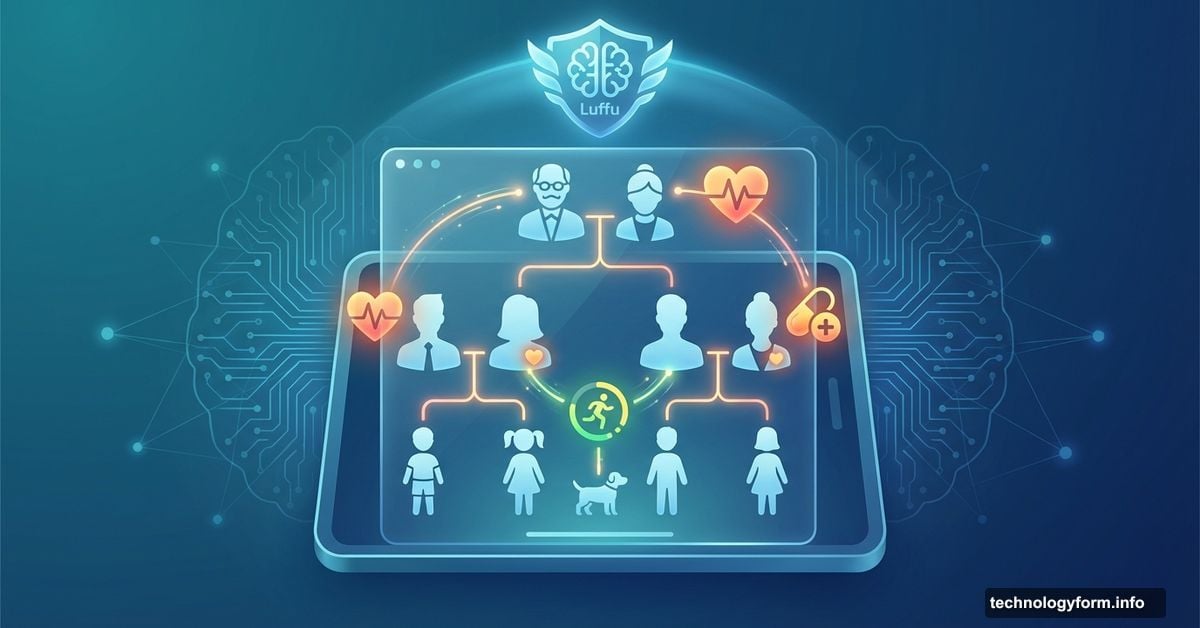
James Park and Eric Friedman just launched Luffu, an AI platform designed to lighten the crushing mental load of family caregiving. The system learns daily patterns, spots worrying changes, and keeps everyone in the loop without constant nagging.
Here’s why this matters now. Nearly 1 in 4 U.S. adults are family caregivers today. That’s 63 million people juggling doctor appointments, medication schedules, and health portals across multiple family members. Plus, that number jumped 45% in just ten years.
The Problem Nobody Solved Yet
Most health apps focus on individual fitness. Track your own steps. Monitor your own sleep. Improve your own diet.
But real life doesn’t work that way. Your health connects to your partner’s health, your parents’ health, your kids’ health. Information scatters across devices, portals, calendars, spreadsheets, and crumpled paper receipts from doctor visits.
Park experienced this firsthand when caring for his parents from across the country. His mom’s health information lived in multiple provider portals. A language barrier made updates difficult. He didn’t want to constantly check in, and she didn’t want to feel monitored.
So he built the tool he wished existed.
How Luffu Actually Works
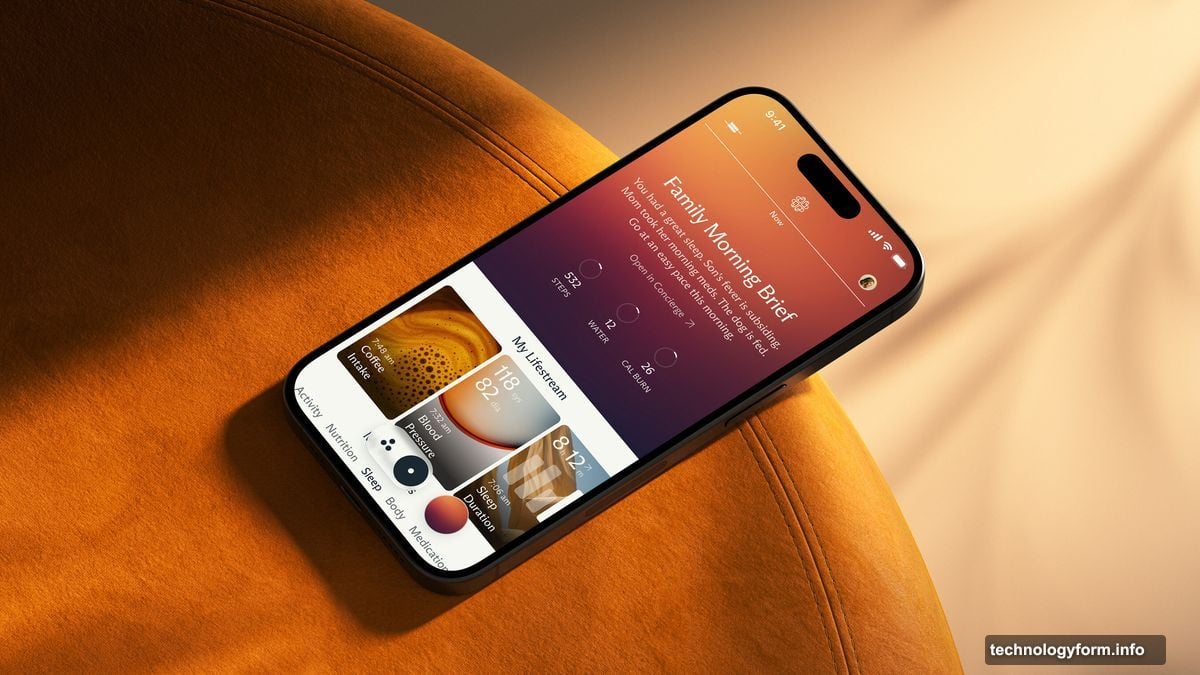
The platform uses AI to gather and organize health information for your entire household. You log details using voice, text, or photos. Then Luffu watches for changes in the background.
You can track health stats, diet, medications, symptoms, lab results, and doctor visits for everyone. Even pets get included. Because let’s be honest, forgetting Fido’s heartworm medication causes stress too.
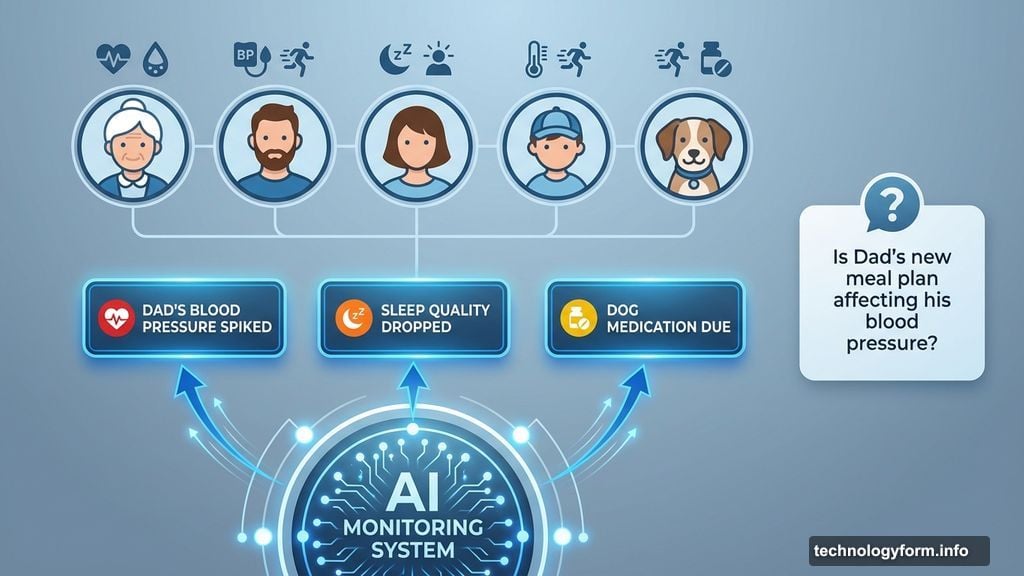
The AI learns normal patterns over time. When something changes, it surfaces alerts. Maybe Dad’s blood pressure spiked. Or someone’s sleep quality dropped sharply. The system flags these shifts so you can act early.
Plus, you can ask questions in plain language. “Is Dad’s new meal plan affecting his blood pressure?” or “Did someone give the dog his medication?” No hunting through spreadsheets or remembering which portal holds which information.
The Mental Load Problem
Friedman points out that Luffu aims to make caregiving “more coordinated and less chaotic.” That’s the real innovation here.
Current tools require you to remember everything, check everything, and coordinate everything manually. The mental burden is exhausting. You’re constantly wondering if you missed something important.
Luffu shifts that burden to AI. The system remembers. The system checks. The system alerts you when intervention is needed. You stop hovering and start responding when it actually matters.
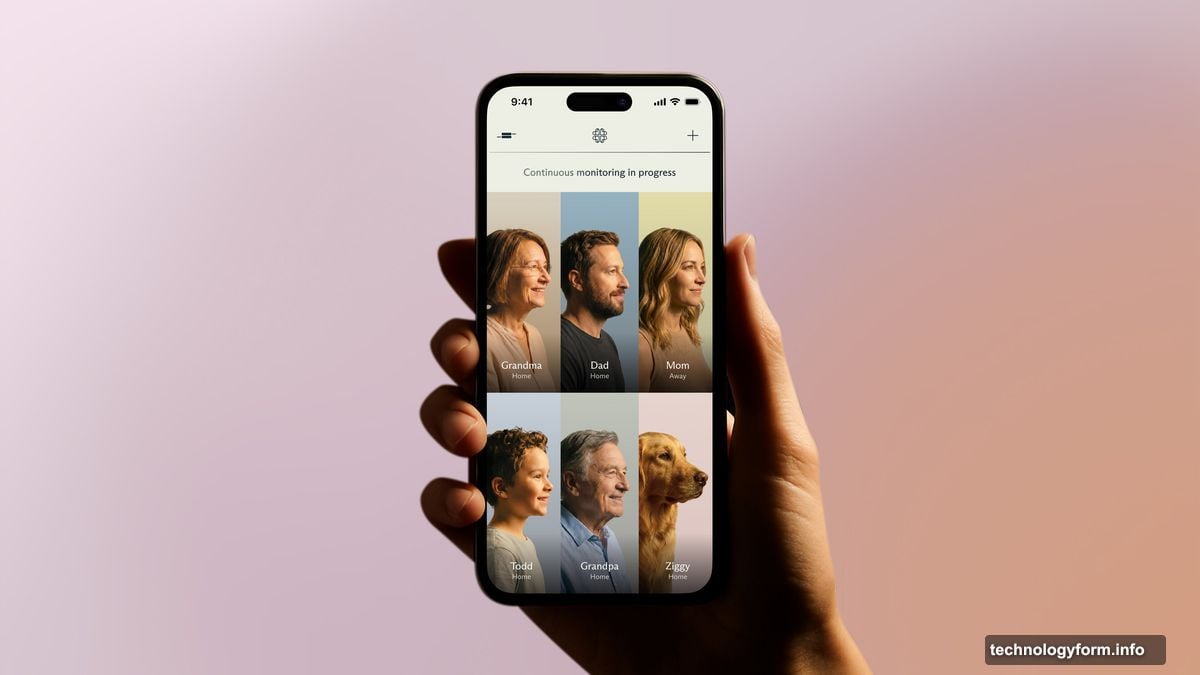
This approach could fundamentally change how families manage health together. Instead of one person carrying the entire mental load, information becomes shared and visible. Family members stay aligned without constant status updates.
From App to Hardware
Luffu starts as an app experience. But Park and Friedman plan to expand into hardware devices eventually.
That makes sense given their Fitbit background. They know how to build consumer hardware that people actually use. Wearables could feed data directly into the Luffu system without manual logging.
Imagine automatic vital sign tracking for elderly parents. Or medication dispensers that confirm when someone took their pills. The potential integrations are massive once you combine AI software with purpose-built hardware.
For now, though, the focus is getting the app experience right. People interested can join the waitlist for the limited public beta.
Why This Might Actually Work
Park and Friedman already proved they can build health tech that sticks. Fitbit dominated wearable fitness tracking for years before Google acquired it.

They understand consumer behavior around health monitoring. People won’t use complicated systems long-term. The interface must be dead simple. The value must be obvious immediately.
Luffu targets that same design philosophy but for a harder problem. Family health coordination involves more variables, more privacy concerns, and more stakeholders. Success requires AI that genuinely reduces work instead of creating new tasks.
The timing helps too. AI capabilities finally caught up to this use case. Natural language processing can parse medical jargon. Computer vision can extract data from photos of prescription bottles. Pattern recognition can spot subtle health changes humans miss.
Plus, the caregiver market is massive and growing. Those 63 million family caregivers need better tools. Most are drowning in information without good ways to organize or act on it.
The Privacy Question
Luffu will need to nail privacy and security. This system stores incredibly sensitive health information for entire families.
The announcement doesn’t detail security measures yet. But Park and Friedman know from Fitbit that health data breaches destroy trust instantly. Expect robust encryption and strict access controls.
Still, putting your whole family’s health data in one AI system creates risk. If Luffu gets hacked, attackers gain everything. Passwords, vitals, diagnoses, medications. That’s a juicy target for bad actors.
The company will need to prove its security posture before mainstream adoption. Healthcare data regulations like HIPAA add complexity too. Compliance isn’t optional in this space.
What Comes Next
The limited public beta will reveal whether Luffu actually solves the problem it targets. Early users will test if the AI genuinely reduces mental load or just adds another app to check.
Success metrics matter here. Does Luffu catch health issues earlier? Do families report less stress? Can caregivers spend less time coordinating and more time actually caring?
Hardware expansion depends on the app proving value first. No point building devices if the core experience doesn’t work. But if it does work, wearables and home health monitors become logical next steps.
The bigger question is business model. Subscription seems likely given the ongoing AI costs. But pricing for family health coordination needs careful thought. Too expensive and only wealthy families benefit. Too cheap and the company can’t sustain quality service.
This venture feels personal for Park and Friedman in a way Fitbit didn’t. They’re solving a problem they lived through. That often produces better products than purely market-driven development.
Whether Luffu succeeds depends on execution. The problem is real. The timing is right. The founders have relevant experience. Now they need to build something that actually works for stressed-out families juggling too much health information across too many people.
The waitlist is open. We’ll see if AI can actually lighten the caregiver burden or if it just adds another layer of complexity to an already overwhelming task.