Meta’s Safety Badge Is Just Expensive PR Theater
Meta’s latest attempt to dodge accountability arrived this week. The company joined a voluntary safety rating system that promises to grade social platforms on teen mental health protection.
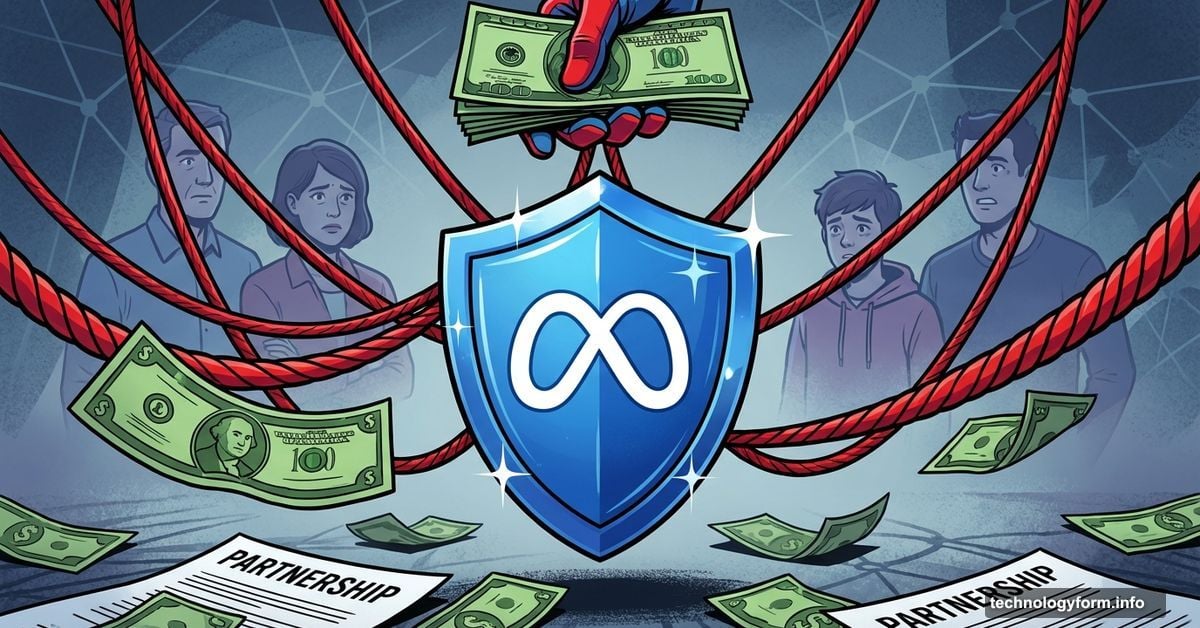
Sounds responsible. Except the same organization that created this rating system counts Meta as a longtime creative partner. Plus, the highest possible safety grade requires only basic features most platforms already have.
So this isn’t accountability. It’s reputation laundering with extra steps.
The Rating System Nobody Asked For
The Mental Health Coalition’s Safe Online Standards program will evaluate major platforms including Meta, YouTube, TikTok, Snap, Roblox and Discord. Companies submit documentation about their policies and safety tools. Then an independent panel assigns one of three ratings.
But here’s where things get weird. The top rating is called “use carefully” – not “safe” or even “protected.” That’s already telling you something.
What does a platform need to earn this coveted blue badge? According to the standards, reporting tools must be “accessible and easy to use.” Privacy settings should be “clear and easy to set for parents.” Platforms should “help reduce exposure to harmful content.”
These aren’t revolutionary safety measures. They’re table stakes for any social platform operating in 2025. Yet somehow they represent the highest achievable standard in this new rating system.
Follow the Money Trail
The Mental Health Coalition has worked closely with Meta since its founding in 2020. That year, the nonprofit announced it would partner with Facebook and Instagram to “destigmatize mental health” during COVID-19.
In 2022, the organization published a case study “with support from Meta” claiming mental health content on social media reduces stigma. The research conveniently concluded that social media positively impacts mental health.
Then in 2024, the MHC partnered with Meta again on the “Time Well Spent Challenge.” This campaign encouraged parents to have conversations about healthy social media use. Notice what it didn’t encourage? Getting teens off these platforms entirely.
That same year, Meta and the MHC launched Thrive, a data-sharing program for self-harm content. Meta appears as a “creative partner” on the coalition’s website.
Now the same organization is creating a voluntary rating system that Meta immediately joined. The company gets to display a blue safety badge despite facing trials over child harm from addictive products.

Convenient timing.
What “Independent” Really Means
The Mental Health Coalition describes its evaluation panel as “independent global experts.” But independence means nothing when the organization receiving ratings helped fund the group doing the rating.
This isn’t unique to Meta. Corporate-funded safety initiatives rarely produce outcomes that threaten their funders. The conflict of interest is baked into the structure.
Meanwhile, Meta sits in California courtrooms defending against allegations that it deliberately designed addictive products harmful to children. Internal research dubbed “Project Mercury” reportedly showed these negative effects starting in 2020.
The company allegedly buried that data. Now it’s volunteering for a friendly rating system created by an organization it supports financially.
The Other Usual Suspects
Roblox joining this program is particularly rich. The gaming platform recently faced serious accusations about child safety on its service. Children have been exposed to predatory behavior and inappropriate content despite Roblox’s claims about moderation.
Discord also signed up after facing its own child endangerment concerns. The company added age verification after pressure mounted over safety failures.
These aren’t companies leading the industry on safety. They’re companies scrambling to manage PR crises by joining voluntary programs with minimal requirements.
Why Voluntary Standards Don’t Work
Here’s the fundamental problem with voluntary safety ratings. Companies can opt out anytime things get uncomfortable. There’s no enforcement mechanism. No penalties for non-compliance. No consequences for gaming the system.
Compare this to actual regulation. The EU’s Digital Services Act imposes real requirements on platforms. Companies that fail to comply face massive fines. That creates incentive to actually change behavior.
Voluntary programs create incentive to appear concerned about safety while changing as little as possible. Display the badge. Issue the press release. Keep doing what you were doing.
What Real Safety Standards Look Like
Effective platform safety requires independent oversight with teeth. Not recommendations from industry-funded nonprofits. Not blue badges awarded for meeting bare minimum standards.
Real safety standards would mandate external audits of recommendation algorithms. They’d require transparent reporting on harm metrics. They’d impose penalties for platforms that deliberately design addictive features targeting minors.
Real standards would give parents actual control over their children’s platform access. Not settings buried in menus. Not features that require 30 minutes of tutorials. Simple, clear, enforceable restrictions.
Real standards would prioritize getting harmful content removed quickly. Not aspirational goals about “helping reduce exposure.” Actual speed metrics with consequences for failures.
The Pattern Repeats
This isn’t Meta’s first attempt at self-regulation to avoid actual regulation. The company has launched countless safety initiatives over the years. Teen accounts on Instagram. Parental supervision tools. Content warning screens.
Each announcement generates positive headlines. Each initiative addresses symptoms while ignoring root causes. The fundamental business model – maximizing engagement at any cost – never changes.
That’s because voluntary programs let companies define success on their own terms. Meta can point to its safety badge while continuing to optimize for time spent on platform. The badge becomes proof of responsibility without requiring actual change.
What Happens Next
California’s trial against Meta continues. More lawsuits are coming. Regulators in the EU and elsewhere are circling. The company faces real pressure for the first time.
So Meta will continue joining voluntary initiatives like this rating system. It’ll announce new safety features. It’ll partner with more nonprofits. Anything to delay or water down actual regulation.
Meanwhile, parents are left with a blue badge that means almost nothing. “Use carefully” is advice they already knew. The rating system won’t tell them what Meta’s internal research revealed about harm to teens.
This isn’t safety. It’s sophisticated reputation management. The Mental Health Coalition created a framework that lets platforms check boxes and claim victory. Meta gets to say it’s participating in oversight while facing minimal accountability.
Real change requires real consequences. Until then, expect more voluntary programs, more badges, and more press releases celebrating meaningless progress.