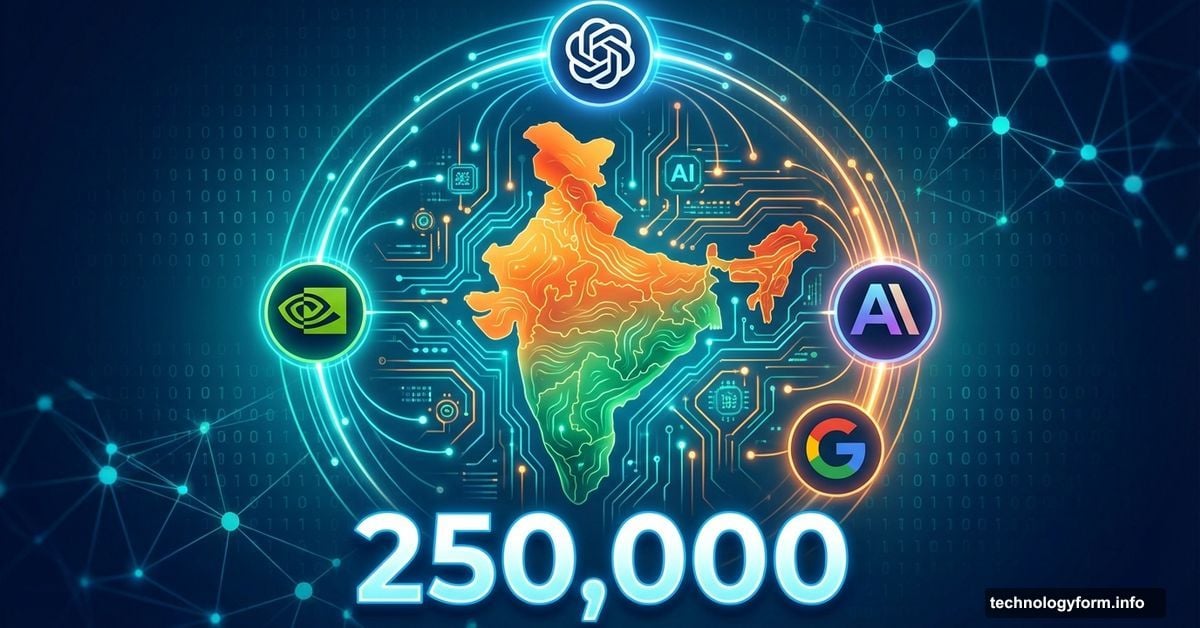
India’s AI Summit Just Pulled 250,000 People. Here’s What Actually Happened
India wants your AI money. Bad.
The country hosted a four-day AI Impact Summit this week that read like a who’s who of tech. OpenAI’s Sam Altman showed up. So did Anthropic’s Dario Amodei, Google’s Sundar Pichai, and Nvidia executives. Even France’s President Emmanuel Macron made an appearance alongside India’s Prime Minister Narendra Modi.
But forget the photo ops. Let’s talk about what actually went down.
OpenAI Revealed Massive Indian User Numbers
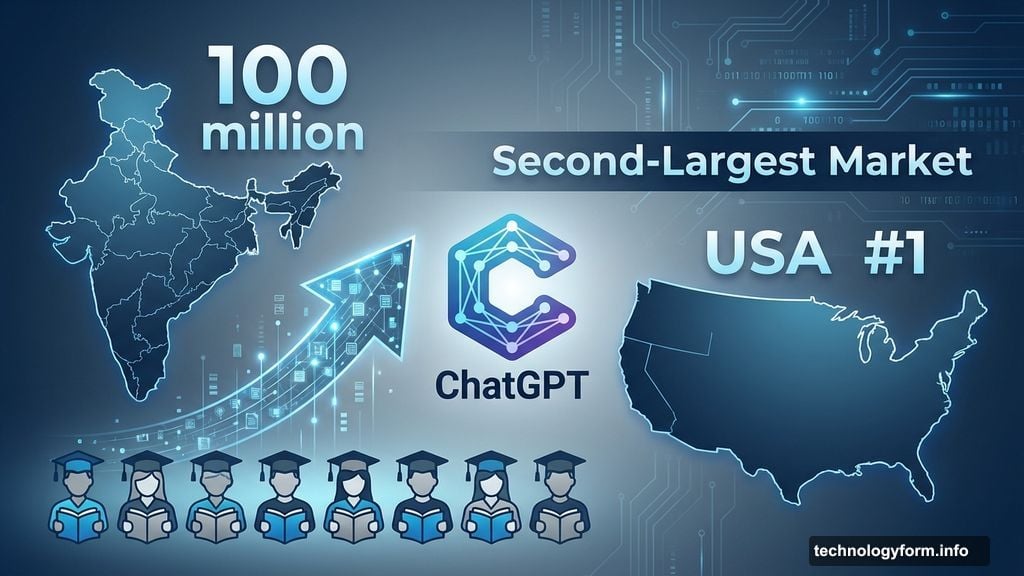
Sam Altman dropped some eye-opening stats. India now has over 100 million weekly active ChatGPT users. That makes it the second-largest market after the United States.
Plus, Indian students use ChatGPT more than students anywhere else globally. That’s significant for OpenAI’s education strategy and reveals how deeply AI tools penetrated India’s massive student population.
However, monetization remains tricky. Most Indian users likely stick with free tiers given pricing sensitivities in the market. So while user numbers impress, converting those users to paid subscribers presents OpenAI’s real challenge.
India Committed $1.1 Billion to AI Startups
The government announced $1.1 billion for its state-backed venture capital fund. That money targets AI and advanced manufacturing startups specifically.
This move signals India’s seriousness about competing in the global AI race. Meanwhile, the country’s tech sector has struggled with funding slowdowns over the past two years. So this cash injection could help revive the ecosystem.
Still, government-backed funds often move slower than private capital. Startups hoping for quick checks might face bureaucratic delays. But the signal matters more than the speed here.
Blackstone Bet Big on Indian AI Infrastructure
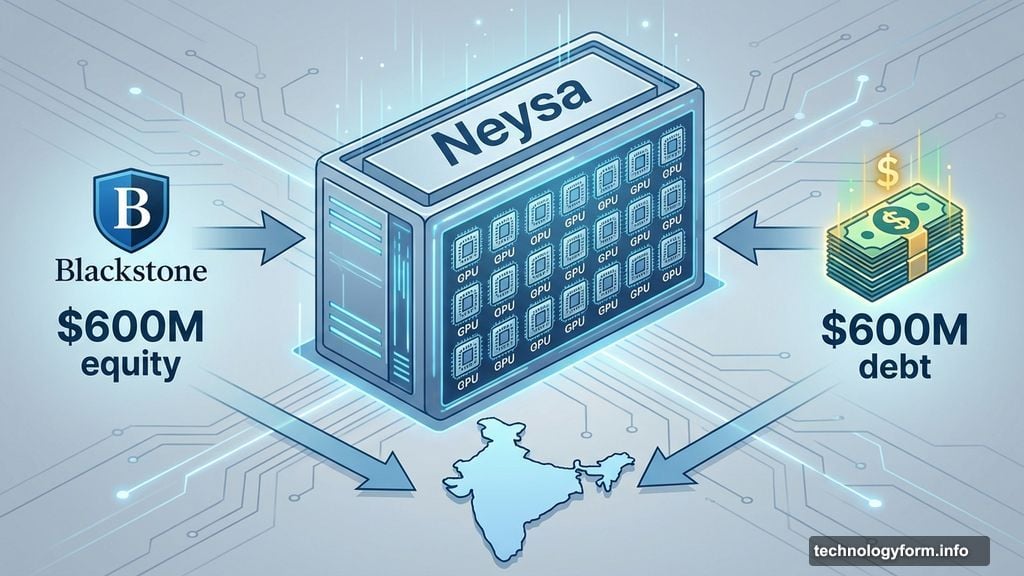
Blackstone took a majority stake in Neysa, an Indian AI startup, as part of a $600 million equity raise. Teachers’ Venture Growth, TVS Capital, and Nexus Venture Partners joined the round.
Neysa plans to raise another $600 million in debt. Then they’ll deploy over 20,000 GPUs across India. That infrastructure matters because GPU shortages remain a major bottleneck for AI companies globally.
Moreover, Neysa’s focus on India positions them to serve both domestic companies and international firms looking for cost-effective compute alternatives. Blackstone clearly sees value in owning that infrastructure layer.
Anthropic Opened Its First India Office
Anthropic announced it’s setting up shop in Bengaluru. The company said India ranks as its second-largest market after the United States for Claude usage.
This expansion makes strategic sense. India offers deep technical talent at lower costs than Silicon Valley. Plus, establishing a presence here helps Anthropic compete with OpenAI for Indian developers and enterprise customers.
Yet Anthropic faces stiff competition. OpenAI already has significant mindshare. Google operates major AI research labs in India. So Anthropic needs to move quickly to establish its foothold.
The Dark Side: Job Displacement Fears Growing
Not everything sounded optimistic. HCL CEO Vineet Nayyar said Indian IT companies will focus on profits, not job creation. That’s code for “we’re cutting headcount.”
Then Vinod Khosla dropped a bomb. He predicted that IT services and Business Process Outsourcing sectors could “almost completely disappear” within five years because of AI. That’s terrifying for millions of Indian workers in those industries.
Khosla suggested 250 million young Indians should instead sell AI products and services globally. Nice idea in theory. But retraining hundreds of millions of workers isn’t simple or fast.
AMD Partnered With TCS for AI Infrastructure
AMD teamed up with Tata Consultancy Services to develop rack-scale AI infrastructure using AMD’s “Helios” platform. This partnership aims to give Indian companies alternatives to Nvidia’s dominant GPU offerings.
Competition matters here. Nvidia’s GPUs remain scarce and expensive. So AMD’s push into India could help ease infrastructure bottlenecks while giving TCS a competitive edge in AI services.
However, AMD still trails Nvidia significantly in AI performance. Whether Indian companies will accept that performance gap for cost savings remains to be seen.
Power Infrastructure Became a Hot Topic
C2i, a Bengaluru startup building power solutions for data centers, raised $15 million in Series A funding. Peak XV led the round with participation from Yali Deeptech and TDK Ventures.
Why does power matter? AI infrastructure consumes massive amounts of electricity. India’s power grid already faces strain. So companies that solve energy efficiency for data centers unlock major value.
In fact, power constraints might limit India’s AI ambitions more than capital or talent. Smart investors recognize this bottleneck and bet accordingly.
What This Summit Actually Reveals
India’s making a serious play for AI investment. The government backed that play with real money. Major tech companies showed up because they need India’s market and talent.
But massive challenges remain. Job displacement threatens millions. Infrastructure gaps persist. Competition among global AI labs will intensify on Indian soil.
So while this summit generated impressive headlines, execution matters more than announcements. Indian startups need to build real products. The government needs to deliver promised funding efficiently. Workers need support transitioning to new roles.
The next year will reveal whether India’s AI ambitions match reality. For now, 250,000 people showed up to find out.