YouTube Shorts Finally Gets a Timer. But Will Anyone Use It?
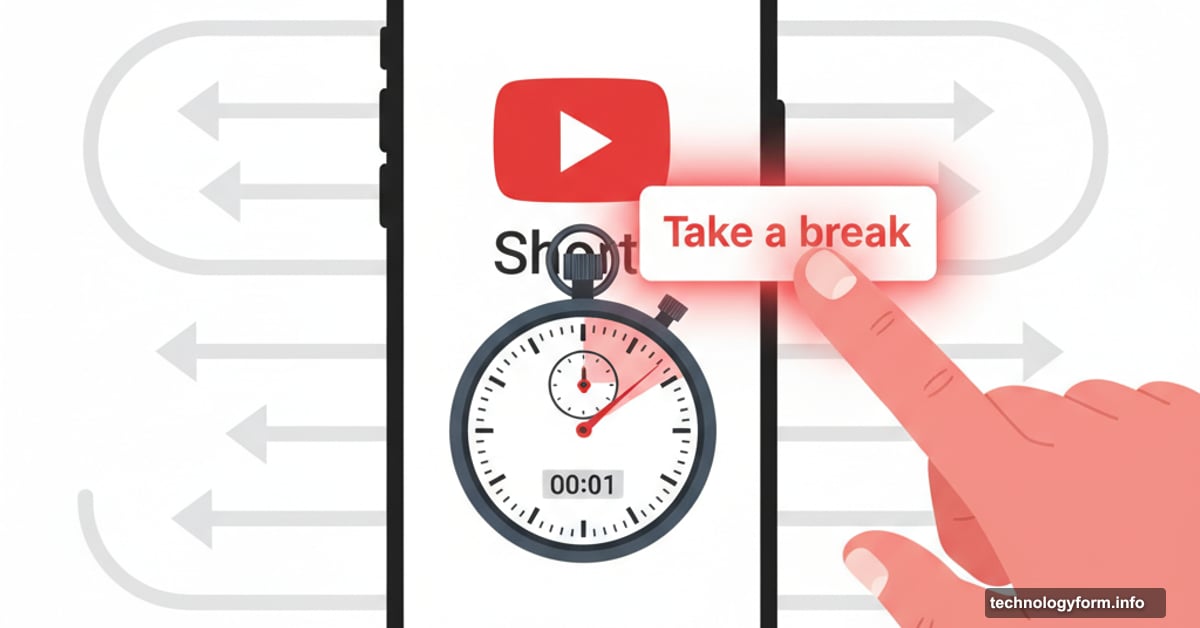
YouTube just rolled out time limits for Shorts. Set a daily cap, and the app reminds you to stop scrolling.
Sounds helpful. But there’s a catch. The reminder dismisses with a single tap. So it’s basically asking users to police themselves while drowning in an endless feed of content specifically designed to keep them hooked.
Still, it’s something. And given the legal pressure mounting against social media companies, YouTube needed to act.
How the Timer Actually Works
The feature lives in your app settings. You choose a daily time limit for Shorts. Then you scroll through videos until you hit that limit.
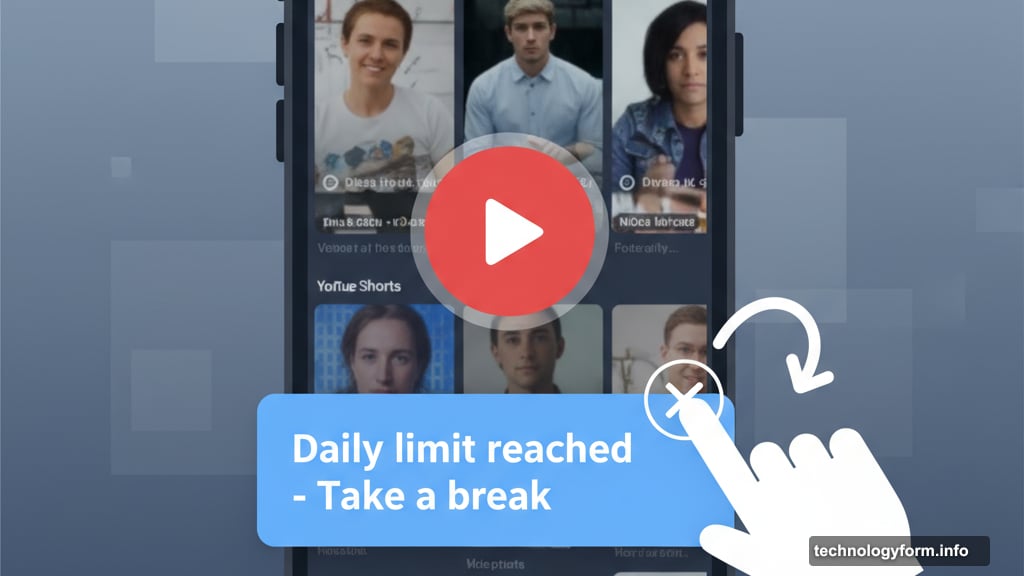
Once reached, a pop-up appears. It suggests taking a break. You tap once, and it disappears. Then you keep watching.
That’s it. No forced logout. No account suspension. Just a gentle nudge that most people will ignore.
TechCrunch first reported the rollout. Android Authority spotted it earlier this year buried in an APK file. So YouTube’s been testing this quietly for months before the wider release.
Parents Get Slightly Better Controls
Here’s where things improve. Next year, YouTube integrates this timer with parental controls.
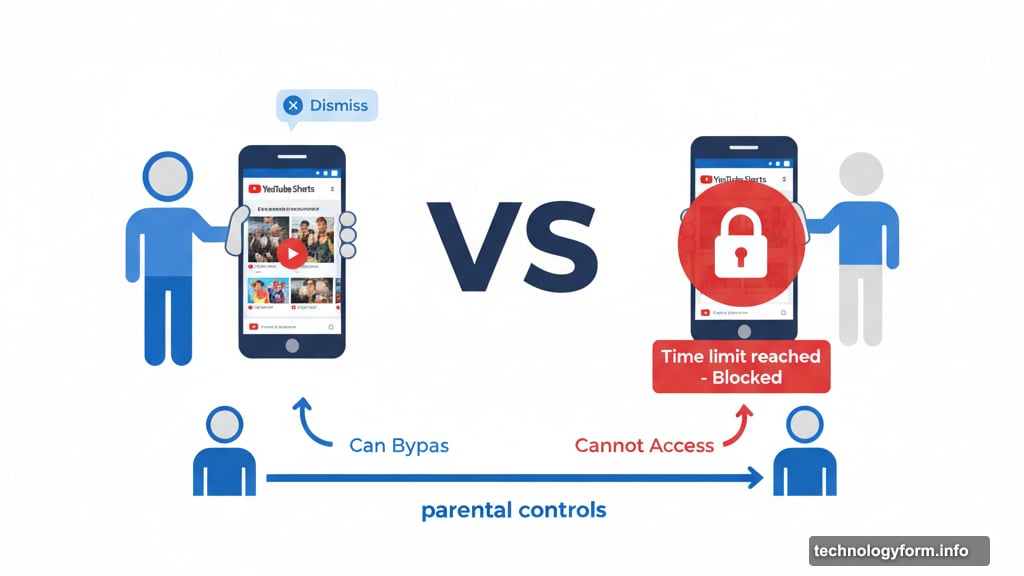
Parents can set hard limits on how long kids watch Shorts. When that timer expires, children can’t dismiss the pop-up. They’re actually blocked from scrolling further.
That matters. Kids lack the impulse control to stop themselves. Plus, many parents struggle to monitor screen time constantly. So enforceable limits help.
But the adult version? That relies entirely on self-discipline. And if you had solid self-discipline, you probably wouldn’t need the timer in the first place.
Why YouTube Suddenly Cares About Your Screen Time
YouTube offers other wellbeing features too. You can set “take a break” reminders at custom intervals. There’s also a bedtime pop-up that suggests you stop watching and sleep.
None of these tools force you offline. They just remind you that four hours disappeared while you watched Curb Your Enthusiasm clips at 2 AM.
So why add more features that don’t actually restrict usage? Legal pressure.
Bloomberg Law reports nearly 2,000 lawsuits currently target social media companies. These suits claim platforms intentionally design addictive experiences. Plaintiffs argue companies prioritize engagement over user wellbeing.
YouTube’s response? Add superficial controls that let them claim they’re addressing the problem. Meanwhile, the algorithm still optimizes for maximum watch time because that’s how they make money.
The Real Problem Nobody Wants to Fix
Social media companies face a fundamental conflict. Their business model depends on keeping users engaged as long as possible. More engagement means more ads. More ads mean more revenue.
But excessive engagement causes mental health issues. It disrupts sleep. It fuels anxiety and depression. Research shows this clearly.
So platforms add features like timers. They let companies say “we’re helping users manage screen time” without actually reducing engagement. Because reducing engagement hurts profits.
That’s why the timer dismisses with one tap. YouTube wants credit for offering the tool without losing watch hours. It’s the perfect corporate compromise.
You Probably Won’t Change Your Habits
Let’s be honest. Will you actually stop watching Shorts because a pop-up suggests it? Probably not.
The content is too engaging. The feed never ends. One more video always beckons. That’s how the system works.
Plus, dismissing the reminder takes less effort than closing the app. So the path of least resistance keeps you scrolling.
Maybe parents will use the hard limits for kids effectively. That could genuinely help young users develop healthier habits. But for adults? This feature changes nothing.
YouTube gets positive press. Lawyers can point to it during litigation. And users keep watching exactly as much as before.
Everyone wins except the people trying to break their doomscrolling addiction.