Uber Just Became an AI Gig Platform. Yes, They Want PhDs
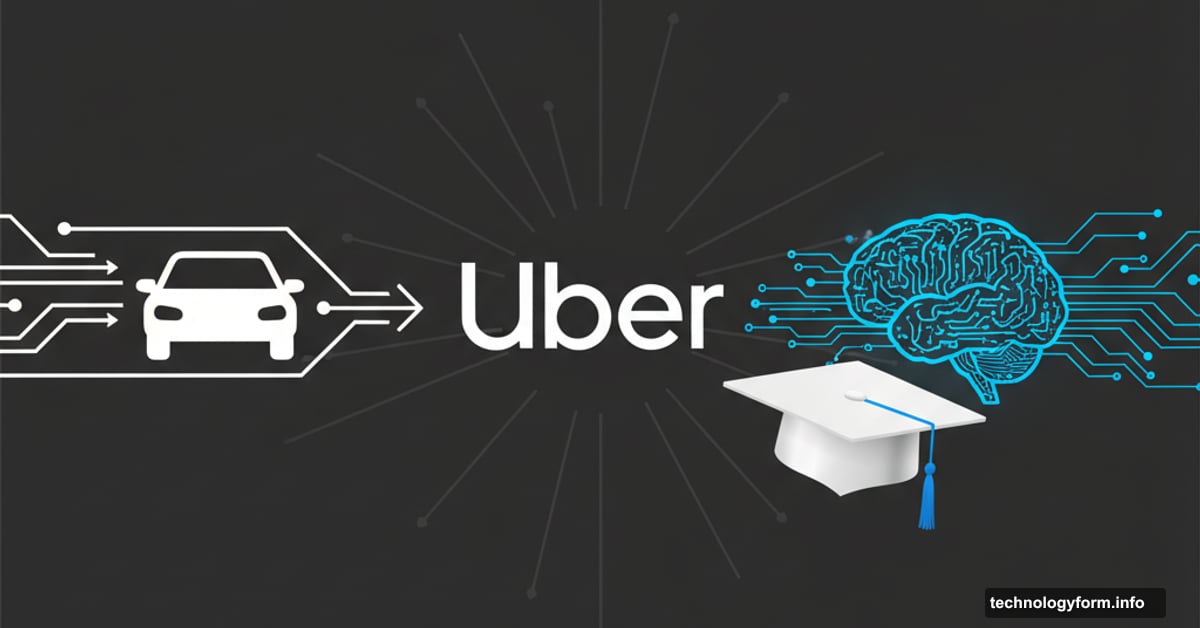
Uber‘s not just for rides anymore. CEO Dara Khosrowshahi just announced the company is transforming into a “platform for work” that includes AI training gigs. Some of these jobs require advanced degrees in physics.
Wait, what? The app you use to get to the airport now wants to hire PhDs to train artificial intelligence models. Let me explain what’s actually happening here and why it matters for both drivers and knowledge workers.
From Rides to AI Training Tasks
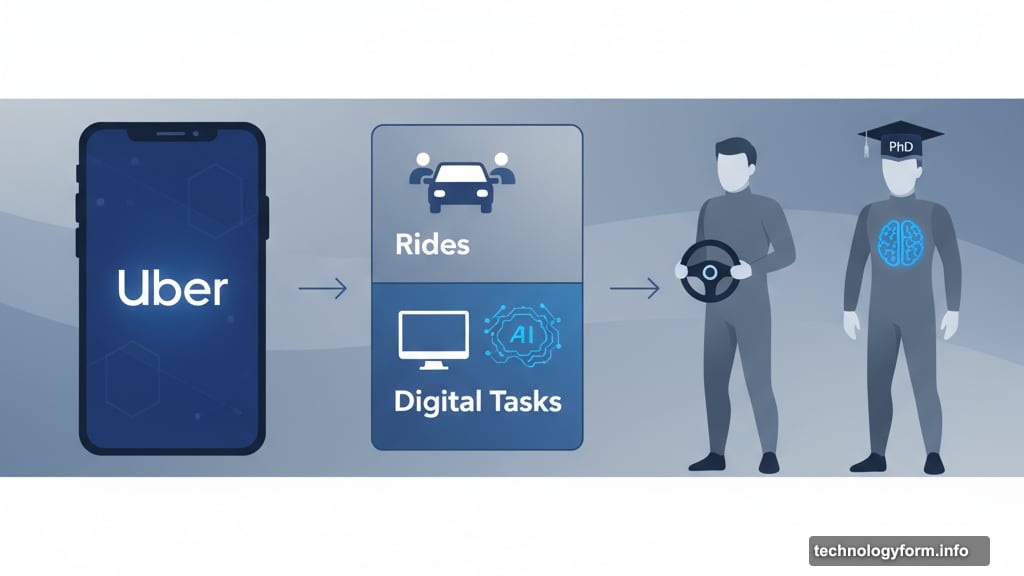
Uber launched a pilot program last month called Digital Tasks. The concept is simple. Users can now earn money by training AI models directly through the Uber app.
These aren’t your typical driving gigs. Instead, tasks include annotating security camera footage or training AI systems on voice responses. Think of it as labeling data that helps machines learn to recognize patterns and make decisions.
The company already offers Digital Tasks in India. Now they’re expanding to US users. But here’s where things get interesting. While some tasks suit existing drivers, others require serious academic credentials.
PhD-Level Work Through a Ride-Hailing App
Khosrowshahi dropped a bombshell on Tuesday’s earnings call. Some Digital Tasks roles require PhDs in fields like physics. Plus, these specialized gigs pay more than driving passengers around town.
This represents a massive shift in Uber’s identity. The platform built for connecting drivers with riders now wants to connect companies needing AI training with highly educated workers. That’s a completely different labor market.
Why physics PhDs specifically? AI models tackling complex scientific problems need training from people who understand advanced concepts. A random person can’t accurately label quantum mechanics data or validate particle physics simulations. You need domain expertise.
The Robotaxi Question Nobody Wants to Ask
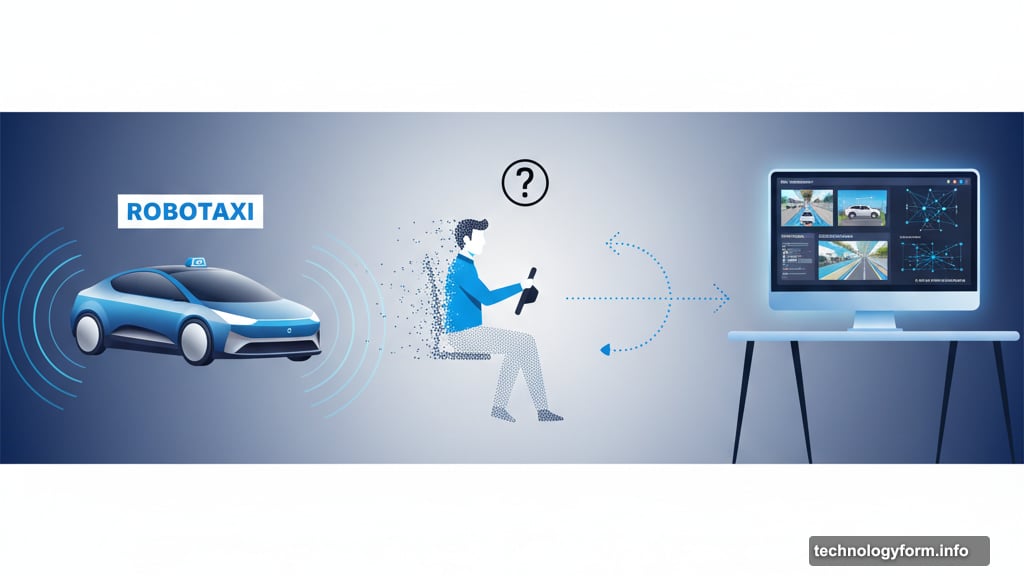
Let’s address the elephant in the room. Uber and competitors are actively testing self-driving cars. Those robotaxis could eventually replace human drivers entirely.
So what happens to drivers when autonomous vehicles take over? Khosrowshahi sees Digital Tasks as part of the answer. Drivers could transition from ferrying passengers to training the AI systems that might replace them. The irony is brutal.
However, most driving gigs don’t prepare workers for AI annotation tasks. Sure, anyone can label simple images. But quality AI training requires attention to detail, pattern recognition, and often specialized knowledge. Not every driver can make that transition seamlessly.
Meanwhile, the PhD-level tasks represent a separate opportunity. Academics and researchers often struggle to find flexible work that pays decently. Uber’s betting they’ll appreciate earning extra money on their own schedule through tasks that match their expertise.
This Changes Uber’s Business Model Fundamentally
Khosrowshahi called Digital Tasks a “small part of the business today.” But he compared it to how Uber expanded from ride-hailing into food delivery. That expansion created Uber Eats, now a massive revenue driver.
The company claims it’s already “landing a ton of customers” who need AI training workers. Moreover, Khosrowshahi believes Digital Tasks can become “another profitable line of business” as it scales.
Think about what that means. Uber’s infrastructure for connecting workers with tasks suddenly serves two very different markets. Low-skilled gig work and high-skilled knowledge work exist side-by-side in the same app.
For companies needing AI training, Uber offers instant access to a massive labor pool. For workers, it provides flexible income opportunities without committing to traditional employment. Both sides benefit from Uber’s existing payment processing, rating systems, and user verification.
The Race to Monetize AI Training
Uber isn’t alone in this space. Companies like Scale AI and Appen already offer data annotation and AI training services. However, they don’t have Uber’s massive existing user base.
Scale AI recently hit a $14 billion valuation. That shows how valuable AI training labor has become. Tech companies need enormous amounts of labeled data to train models. Human judgment remains essential despite automation advances.
Yet most AI training platforms struggle with worker quality and retention. Uber hopes its reputation and infrastructure solve those problems. The company already handles millions of gig workers globally. Adding AI training tasks leverages that existing system.
Still, competition is fierce. Amazon’s Mechanical Turk has offered microtasks for years. Upwork and Fiverr connect freelancers with clients. Uber needs to differentiate beyond just adding AI tasks to its app.
What This Means for Knowledge Workers
Here’s the uncomfortable truth. If Uber successfully attracts PhD-level workers to its platform, it commodifies highly skilled labor the same way it did with driving.
Knowledge workers traditionally commanded high salaries and stable employment. Now they might compete for gigs on an app alongside delivery drivers. That’s a significant shift in how specialized expertise gets valued and compensated.
On one hand, flexibility appeals to many professionals. Academics between positions, researchers wanting side income, or retirees staying active could all benefit. The work happens remotely on their schedule.
On the other hand, reducing complex intellectual work to app-based gigs raises concerns. Will pay rates decline as more PhDs compete for tasks? Do these jobs offer dignity and fair compensation? Or do they just extract value from desperate, overqualified workers?
My Take on Uber’s AI Gamble
This strategy makes business sense for Uber but creates messy implications for workers.
The company correctly identified a massive market opportunity. AI companies desperately need training data. Uber has millions of potential workers and the infrastructure to connect them with paying customers. That’s a natural fit.
However, calling it a “platform for work” sounds noble while potentially devaluing both ends of their labor spectrum. Drivers already struggle with low pay and lack of benefits. Now Uber wants to apply the same model to PhD-level professionals.
Moreover, the notion that Digital Tasks solve the robotaxi displacement problem feels hollow. Most drivers won’t seamlessly transition to AI annotation work. And those who can probably have better options than gig labor on Uber’s app.
For knowledge workers, accepting these gigs might provide short-term income but contributes to long-term devaluation of specialized skills. When a physics PhD competes for tasks on the same platform as someone delivering burritos, something fundamental has shifted in our economy.
Choose carefully if you’re considering AI training work through Uber. The flexibility is real. But so are the implications of participating in a system that treats all labor as fungible gig work, regardless of skill level or expertise.